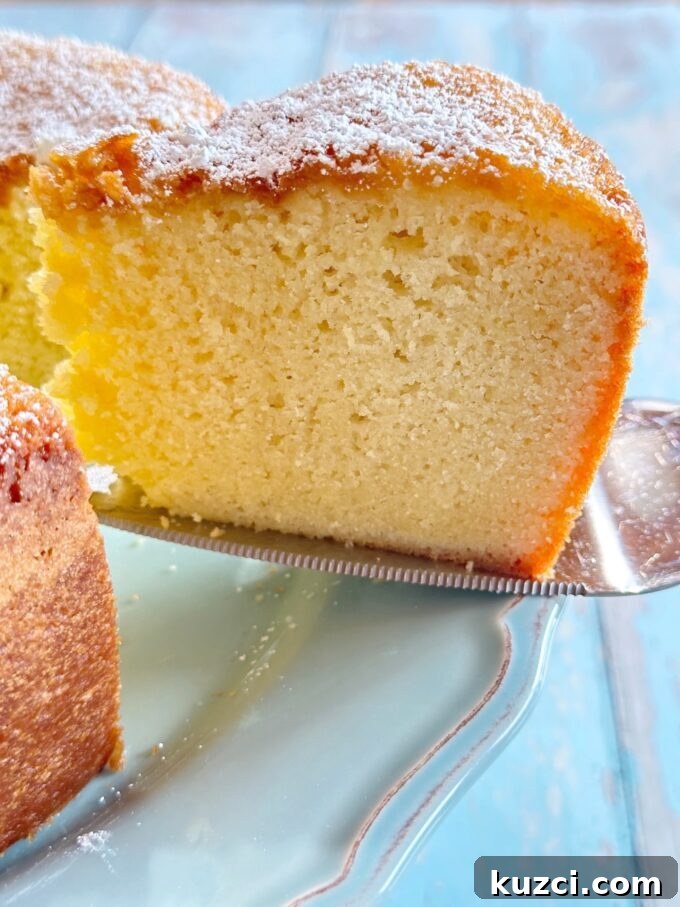
Classic Buttery Pound Cake Recipe
This delicious pound cake is rich, tender, and full of buttery flavor, with a beautiful golden crust and a soft, dense crumb. It is simple enough for everyday baking yet elegant enough for holidays, gatherings, and special occasions. Serve it plain with a light dusting of powdered sugar, or dress it up with fresh fruit, fruit compote, or whipped cream. However you enjoy it, this classic pound cake is the kind of dessert that never goes out of style.
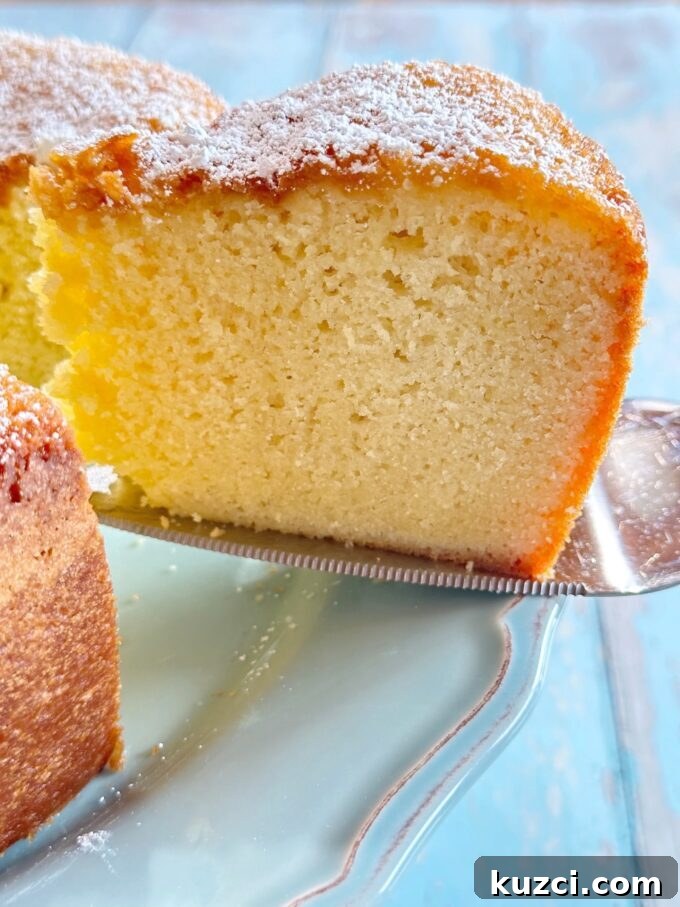
If you are looking for a homemade cake that is not overly sweet, this pound cake recipe is a perfect choice. It has the signature richness of a traditional pound cake, but with a slightly softer texture thanks to a small amount of baking powder and milk. The result is a buttery cake that slices beautifully, holds its shape well, and tastes even better the next day.
Traditional pound cakes were originally made with equal amounts of butter, eggs, sugar, and all-purpose flour. Those old-fashioned cakes did not usually include baking powder, baking soda, or added liquid, which made them dense, heavy, and sometimes dry. This version keeps the beloved buttery flavor and sturdy texture while adding just enough moisture and lift to make every bite tender and enjoyable.
This recipe uses eight simple ingredients rather than the traditional four. The ratios are not equal, and a small amount of baking powder is included to give the cake a gentle rise. It will not become light and fluffy like a layer cake, and it is not meant to. The goal is a moist, dense, buttery pound cake with a delicate crumb and a crisp golden exterior.
Ingredients for This Recipe
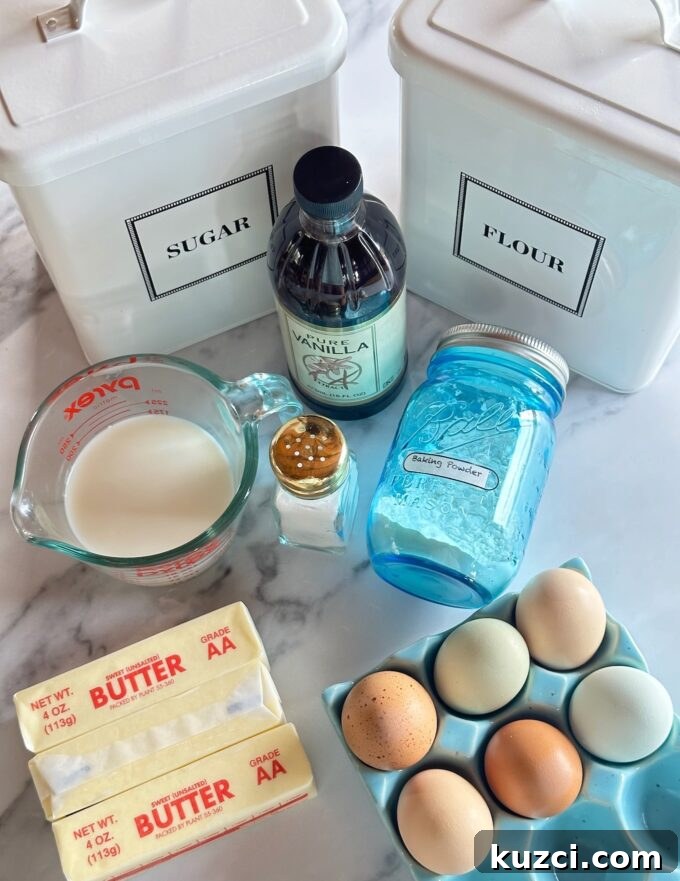
All-Purpose Flour: All-purpose flour gives this pound cake its structure. Since it does not contain added leavening agents, it works well with the measured amount of baking powder in this recipe.
Baking Powder: Baking powder provides a small amount of lift. It helps keep the cake from becoming too heavy while still preserving the dense, buttery texture pound cake is known for.
Salt: Salt balances the sweetness and enhances the flavor of the butter, vanilla, and sugar. A small amount makes a noticeable difference in the finished cake.
Unsalted Butter: Use real unsalted butter for the best flavor. Since salt is already added separately, salted butter could make the cake taste too salty. If salted butter is all you have, omit the added salt from the recipe.
Large Eggs: Eggs add richness, structure, and stability. Pound cakes rely on several eggs to create their classic texture, so use the full amount listed in the recipe.
Granulated Sugar: Sugar sweetens the cake and helps create a tender crumb and a golden crust.
Milk: Milk adds moisture and helps soften the crumb. Whole milk or 2% milk can be used in this recipe.
Vanilla: Pure vanilla extract adds warm flavor and complements the butter beautifully. Because pound cake has such simple ingredients, quality vanilla makes a real difference.
How to Make This Cake
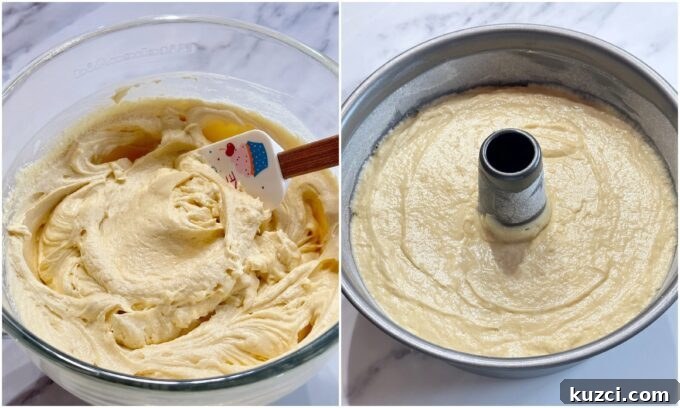
Start by preparing a 12-cup tube pan or bundt pan. Coat the inside thoroughly with softened butter, then lightly flour the pan and tap out any excess. If you are using a bundt pan, be sure to cover every small crease and curve so the cake releases cleanly after baking.
In a medium bowl, whisk together the flour, baking powder, and salt, then set the dry ingredients aside. Add the room-temperature butter to the bowl of a stand mixer and beat it on medium speed for about 30 seconds, just until creamy. Add the sugar and vanilla, then mix on medium-low speed for about two minutes, until the butter and sugar are well combined.
Add the eggs one at a time, mixing only until each egg is incorporated. Avoid beating too much air into the batter. With the mixer on low speed, add the flour mixture and milk alternately, beginning and ending with the flour mixture. Stop as needed to scrape down the sides of the bowl. After the final addition of flour, mix just until the flour disappears, then stop. The batter will be thick, smooth, and rich.
Spoon the batter into the prepared pan. Gently shake the pan back and forth to level the batter and help remove large air pockets. Bake the cake at 325 degrees for about 1 hour and 20 minutes, or until the top is golden brown and a toothpick inserted into the cake comes out clean or with a few moist crumbs.
Let the cake cool in the pan for 10 minutes, then carefully remove it and transfer it to a wire rack to cool completely. Do not leave it in the pan too long, or the trapped heat can cause the crust to soften instead of staying crisp.
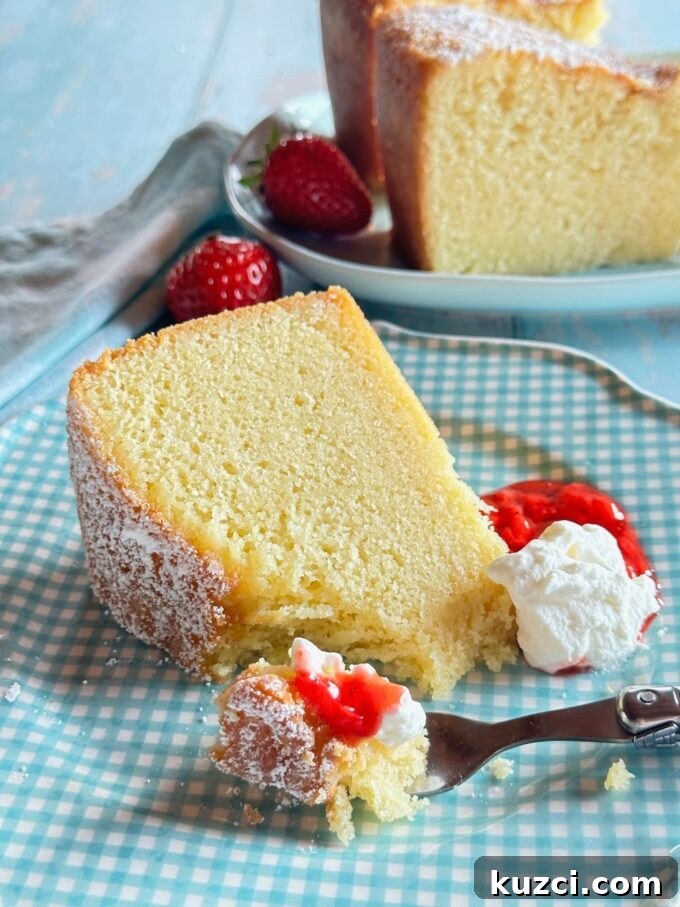
Pro Tips for This Recipe
- Bring the butter, milk, and eggs to room temperature before starting. Room-temperature ingredients blend more evenly and help create a smoother batter.
- Measure the flour carefully. Sift the flour first, then spoon it into the measuring cup and level it with the flat edge of a knife. Too much flour can make the cake dry.
- Cream the butter and sugar for the amount of time listed in the recipe, but do not overmix the batter after the eggs and flour are added.
- Overmixing can create gummy streaks in the baked cake, so mix only until the ingredients are incorporated.
- Do not overbake the cake. A toothpick should come out clean or with a few slightly moist crumbs attached.
- Keep the oven temperature at 325 degrees. Pound cake bakes best slowly and evenly at a lower temperature.
- Wrap the cooled cake tightly and store it at room temperature for 4 to 5 days. The buttery flavor often becomes even better after the first day.
- Use pure vanilla extract and real butter. Since these are the main flavors, high-quality ingredients are important.
- For a crunchier outside crust, butter the pan and sprinkle it with granulated sugar instead of flour.
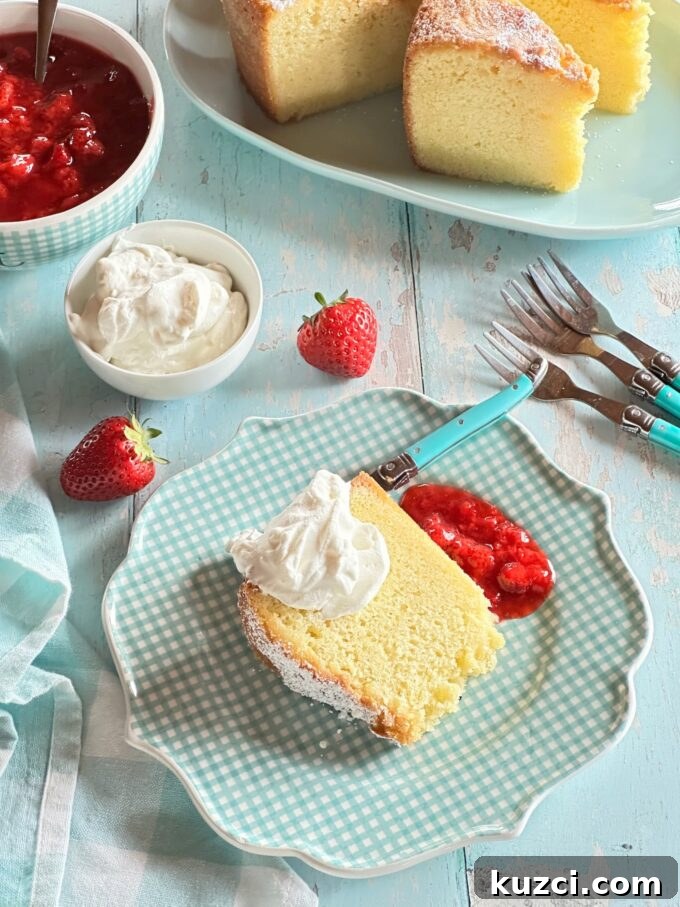
Toppings and Garnishes
This homemade pound cake is wonderful on its own and needs nothing more than a dusting of powdered sugar. For a more dressed-up dessert, serve slices with whipped cream and fresh berries, peaches, or your favorite fruit compote. The simple vanilla-butter flavor pairs well with many toppings without being overwhelmed.
FAQ’S
Can I add other flavorings to this cake?
Yes. Lemon zest or orange zest can be added for a bright citrus flavor. Add about 2 teaspoons of zest while creaming the butter and sugar. Keep the vanilla in the recipe, because it rounds out the flavor beautifully.
Can I freeze this cake?
Yes. This pound cake freezes very well. For the easiest serving, slice the cake first, wrap each slice tightly in plastic wrap, and place the wrapped slices in a large freezer storage bag. Freeze for up to 3 months. Thaw slices at room temperature. Avoid thawing them in the microwave, as it can dry out the cake.
Can I bake this cake in loaf pans?
Yes. This batter can be baked in two standard loaf pans. Brush each pan with softened butter, lightly flour the inside, and tap out any excess flour before adding the batter. The cake shown here was baked in a 12-cup tube pan.
Why is there a gummy streak in my pound cake?
A gummy streak usually means the butter and sugar were over-creamed or the batter was overmixed. Too much air can cause the cake to rise quickly in the oven and then fall as it cools, leaving a dense streak that may look underbaked even when the cake is fully done.
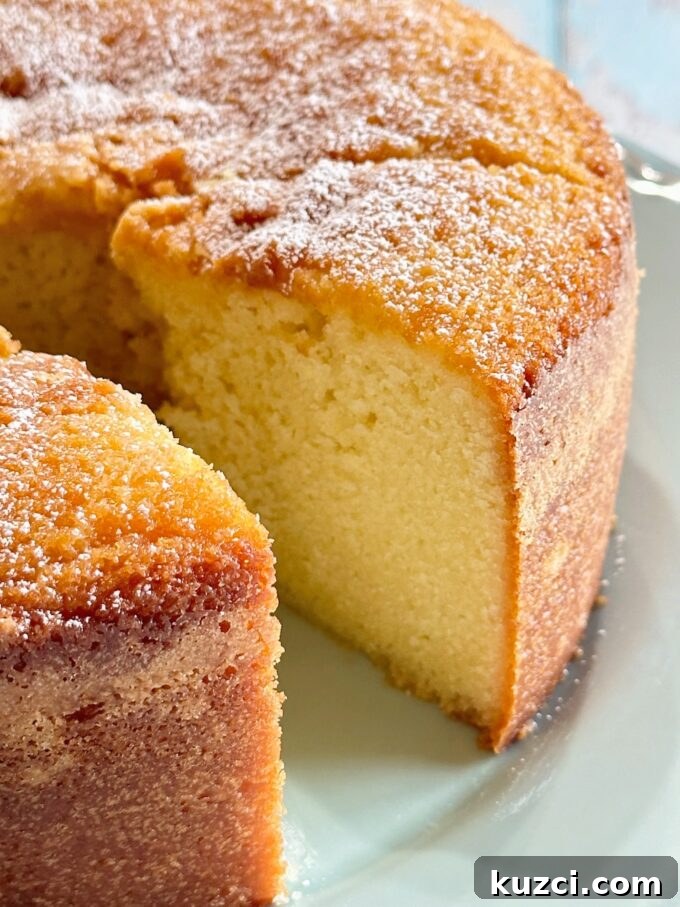
If you make this pound cake recipe, share how it turned out. Your feedback is always appreciated.
Pound Cake
- Author: Cindy @mycountrytable
- Prep Time: 20 minutes
- Cook Time: 1 hour 20 minutes
- Total Time: 1 hour 40 minutes
- Yield: 12 servings
- Category: Cake
- Method: Bake
- Cuisine: American
Description
This buttery pound cake is dense, tender, and full of classic vanilla flavor. It is perfect with powdered sugar, whipped cream, fresh fruit, or fruit compote, and its flavor becomes even more developed after the first day.
Ingredients
- 3 cups all-purpose flour, sifted before measuring
- 1 teaspoon baking powder
- 1/2 teaspoon salt
- 1 1/2 cups unsalted butter, room temperature
- 2 1/2 cups granulated sugar
- 6 large eggs, room temperature
- 1 tablespoon pure vanilla extract
- 3/4 cup milk
Instructions
- Preheat the oven to 325 degrees. Butter and lightly flour a tube cake pan. A 10-inch bundt pan or angel food cake pan can also be used.
- In a medium bowl, whisk together the sifted flour, baking powder, and salt. Set aside.
- Add the butter to the bowl of a stand mixer and beat on medium speed for about 30 seconds, until creamy. Add the sugar and vanilla, then mix on medium-low speed for about two minutes, until well combined. Add the eggs one at a time, mixing just until incorporated after each addition. On low speed, add the flour mixture and milk alternately, beginning and ending with the flour mixture. Scrape down the sides of the bowl as needed. After the final flour addition, mix only until combined.
- Transfer the batter to the prepared pan and gently shake the pan back and forth to level the batter. Bake for approximately 1 hour and 20 minutes, or until the top is golden brown and a toothpick inserted into the cake comes out clean or with a few moist crumbs.
- Let the cake cool in the pan for 10 minutes. Remove it from the pan and transfer it to a wire rack to cool completely before slicing.
Notes
- This cake can be baked in two loaf pans. Brush the pans with soft butter, lightly flour them, and tap out any excess flour before adding the batter.
- For a crunchier outside crust, butter the inside of the pan and sprinkle it with granulated sugar instead of flour.
- Store the cooled cake tightly wrapped at room temperature for 4 to 5 days.