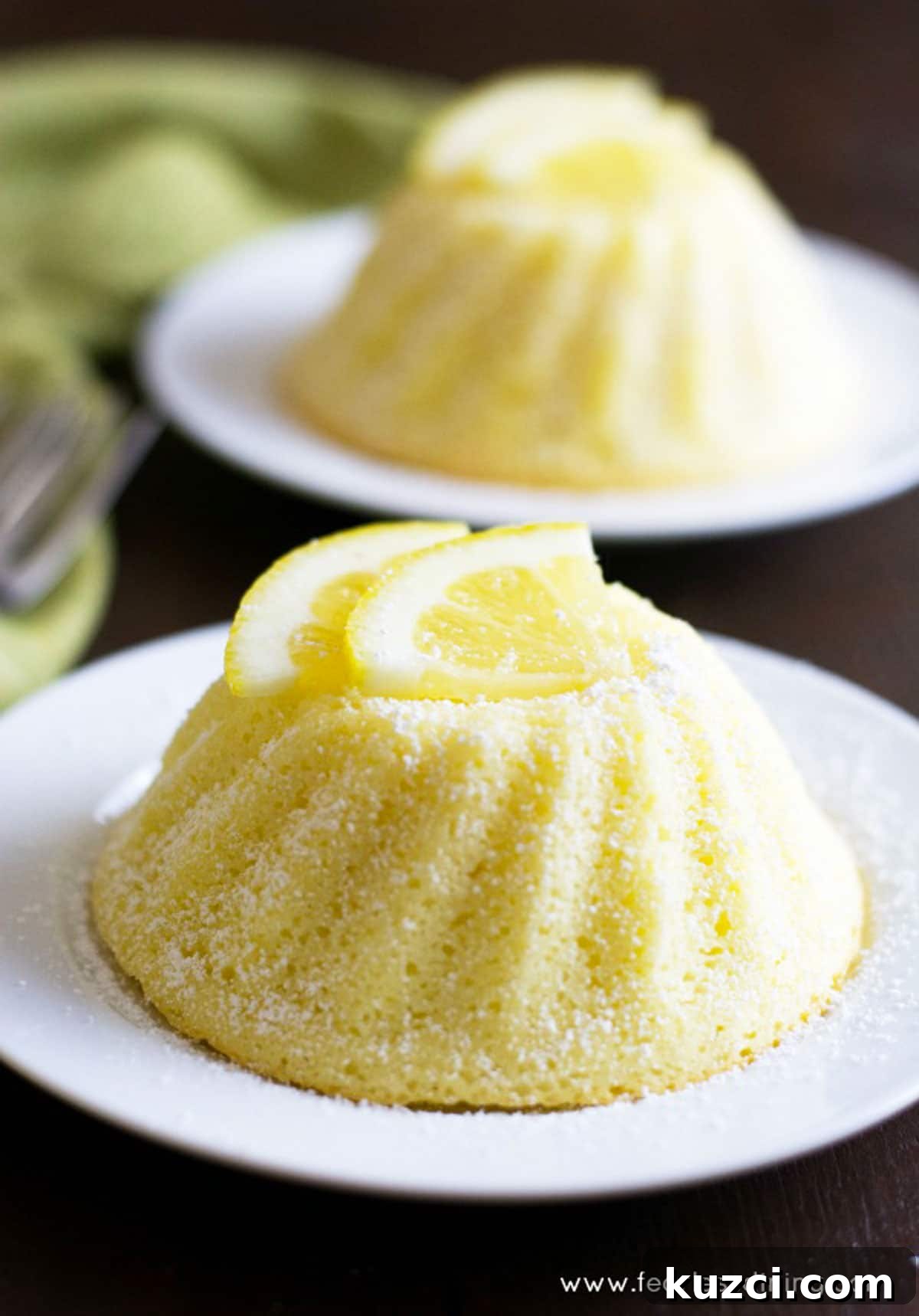
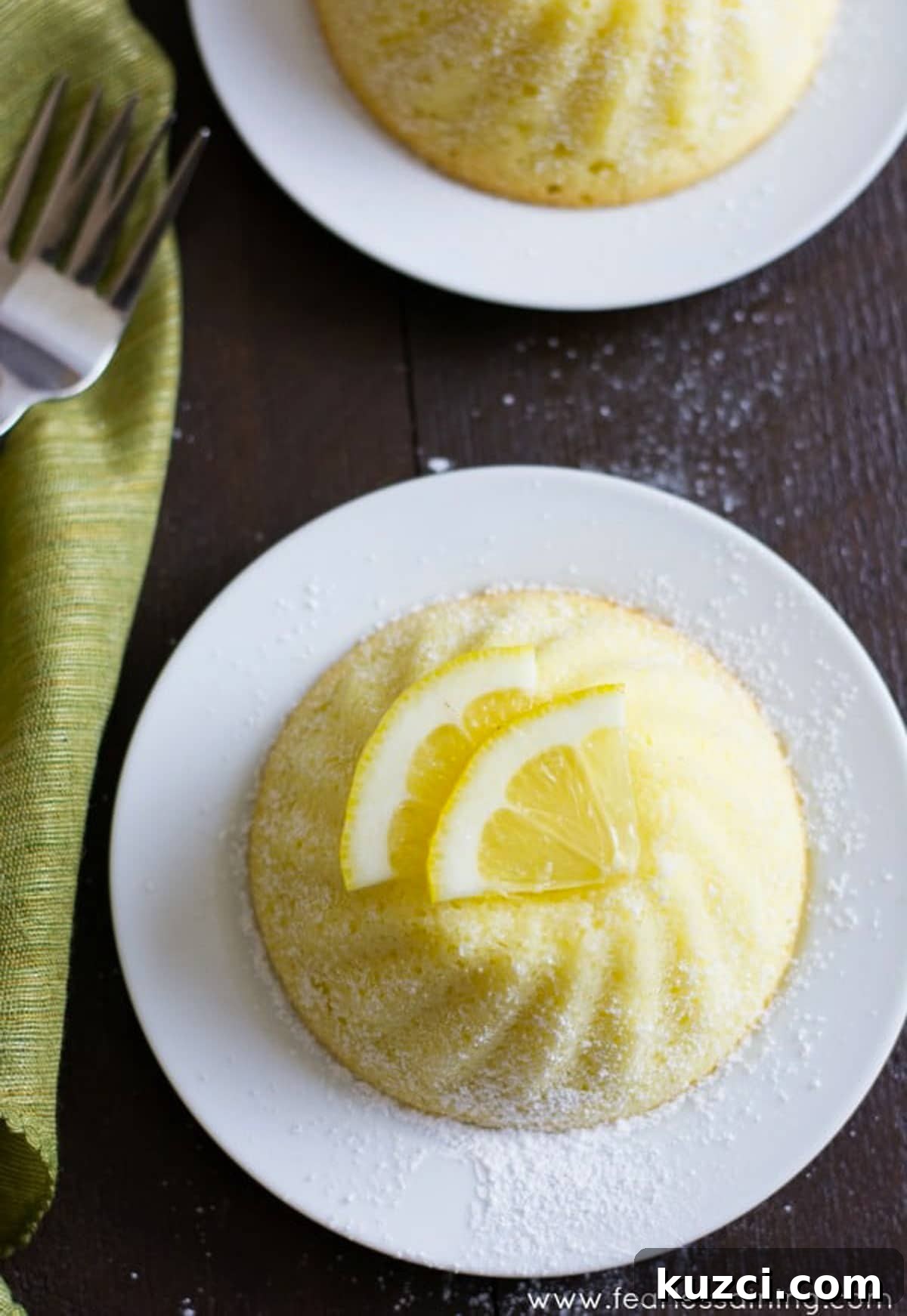
This moist gluten-free yogurt cake is bright with fresh lemon flavor and a tender, bakery-style crumb. You can bake it as elegant individual cakes in ramekins or mini bundts, or make one larger cake. The recipe is straightforward and relies on a gluten-free flour blend, eggs (with whipped whites for lift), yogurt, lemon, and a little oil or butter. With the right flour blend and technique, nobody will guess it’s gluten-free.
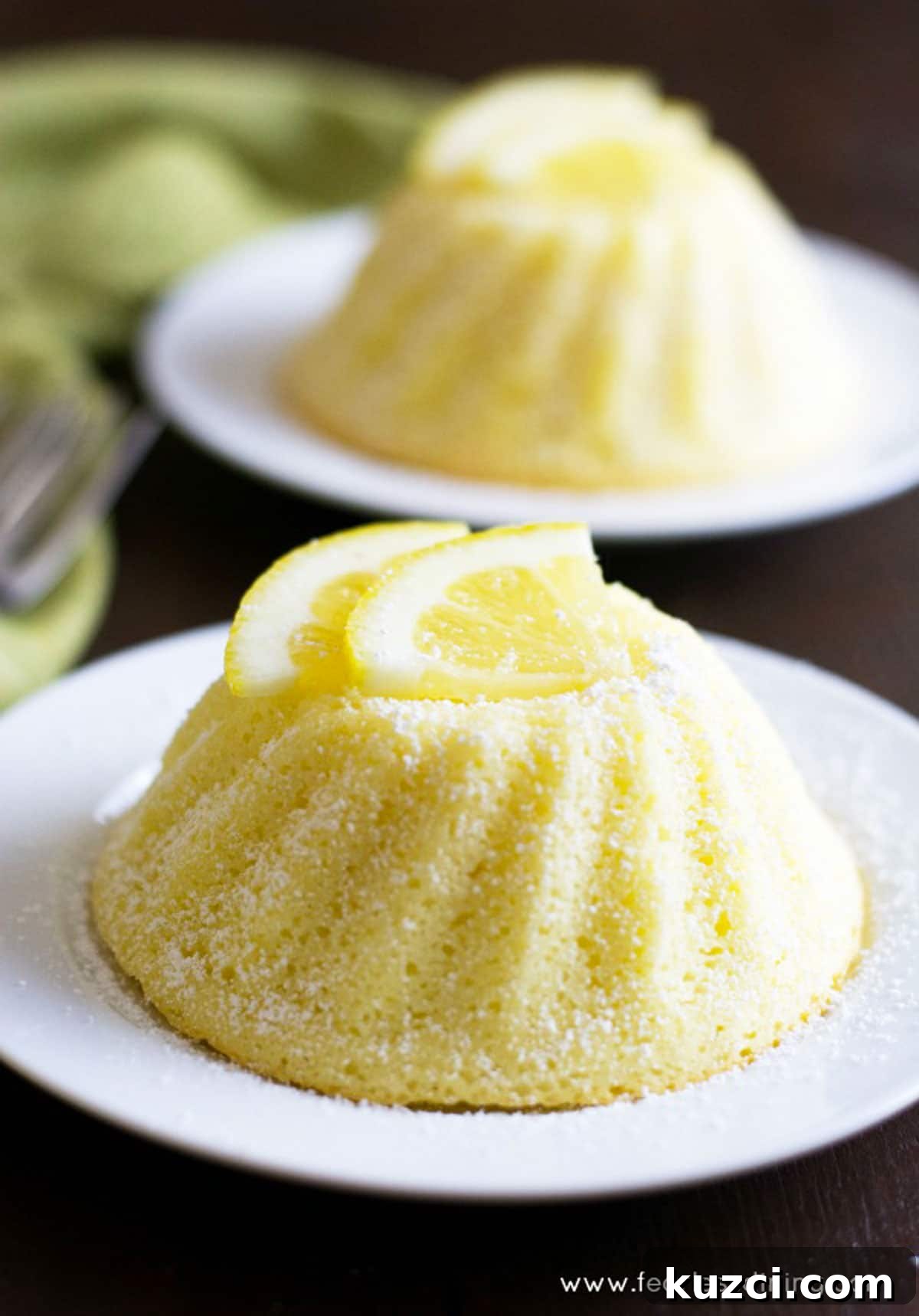
❤️ Sandi’s Recipe Summary
Quick overview: This lemon yogurt cake is easy to make and yields a soft, moist cake with a light texture. You can bake it as six individual mini cakes or as one large cake. The recipe can be made dairy-free by using plant-based yogurt and milk.
This version uses whipped egg whites folded into the batter to add lift and an airy texture — a small step that makes a big difference. The cake remains moist thanks to the yogurt, so plain, unsweetened yogurt (Greek or regular) is best. If you prefer a dairy-free option, use a plain dairy-free yogurt and non-dairy milk.
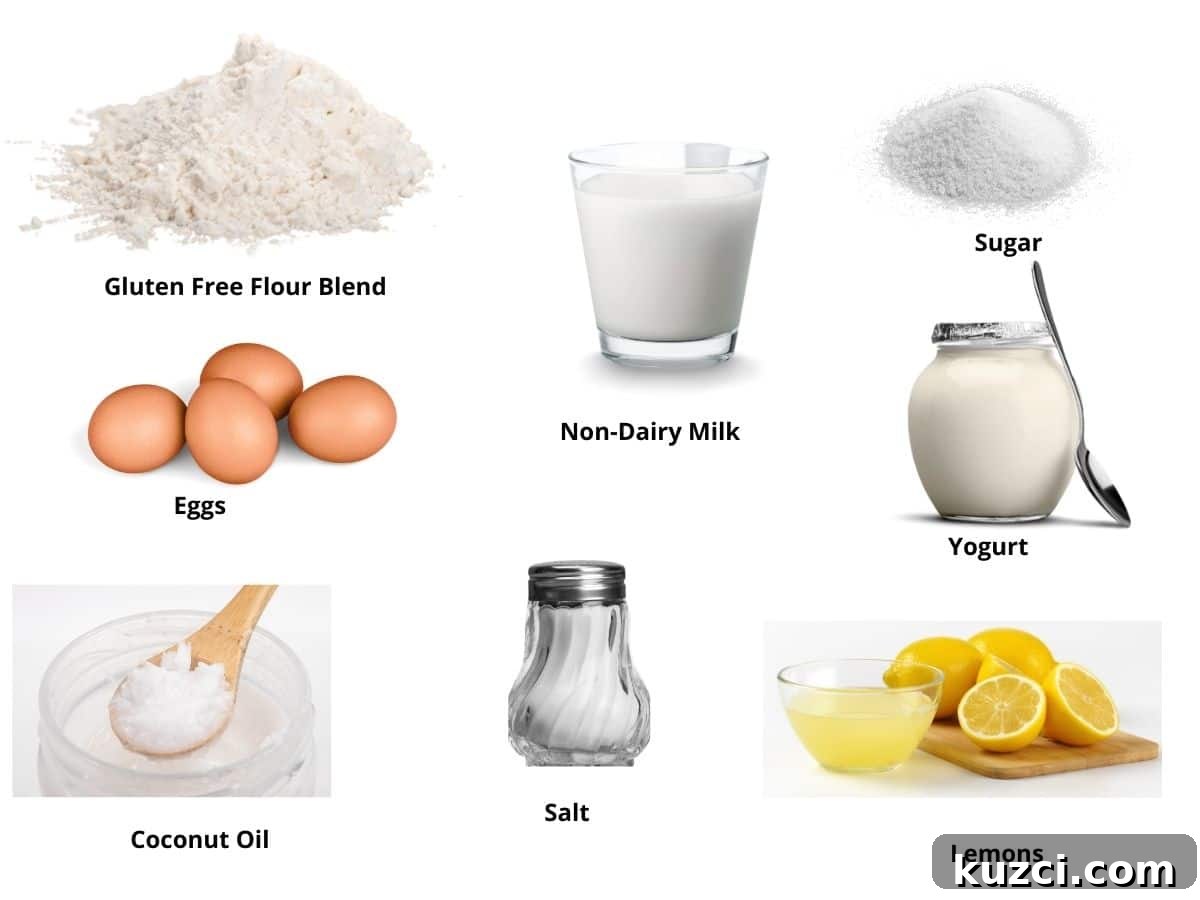
Ingredient Notes and Easy Swaps
See the Ingredients section below for the full amounts used in the recipe.
- Gluten-free flour blend – Use a reliable 1:1 gluten-free flour blend. Different blends absorb liquid differently, so if the batter seems too thin or too thick adjust with a tablespoon at a time of milk or flour until it reaches the texture of a thick cake batter.
- Xanthan gum – If your flour blend does not already contain a binder, add 1/2 teaspoon to improve structure.
- Sugar – Cane sugar works well and provides even sweetness.
- Oil – Light oils such as canola, vegetable, or mild-flavored coconut oil give moisture without overpowering the lemon.
- Eggs – Large eggs; separate whites and yolks to whip the whites for extra lightness.
- Yogurt – Plain Greek or regular yogurt keeps the cake moist. For dairy-free cakes use plain plant-based yogurt.
- Milk – Any unsweetened non-dairy milk or regular milk will work. Avoid thick canned coconut milk.
- Lemons – Fresh lemon juice and zest give the best flavor; bottled juice won’t be as bright.
How to Make a Gluten-Free Yogurt Cake (Step-by-Step)
Step 1: Preheat the oven to 350ºF (175ºC). Prepare your pans: spray mini bundt or ramekin pans lightly with gluten-free baking spray, or line/grease a springform pan for a single cake.
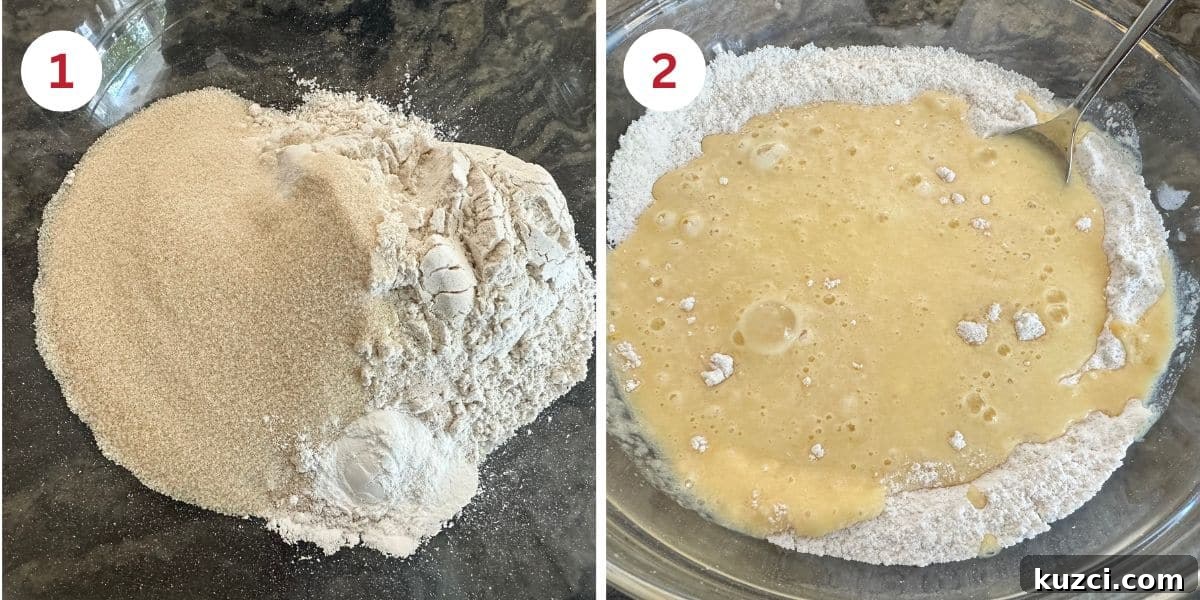
Step 2: In a medium bowl whisk the dry ingredients together (gluten-free flour blend, sugar, salt, and xanthan gum if needed).
Step 3: In a separate bowl, whisk the egg yolks with the oil until combined. Add the yogurt, milk, lemon juice and lemon zest and whisk until smooth. Pour the wet mixture into the dry ingredients and stir gently until just combined.
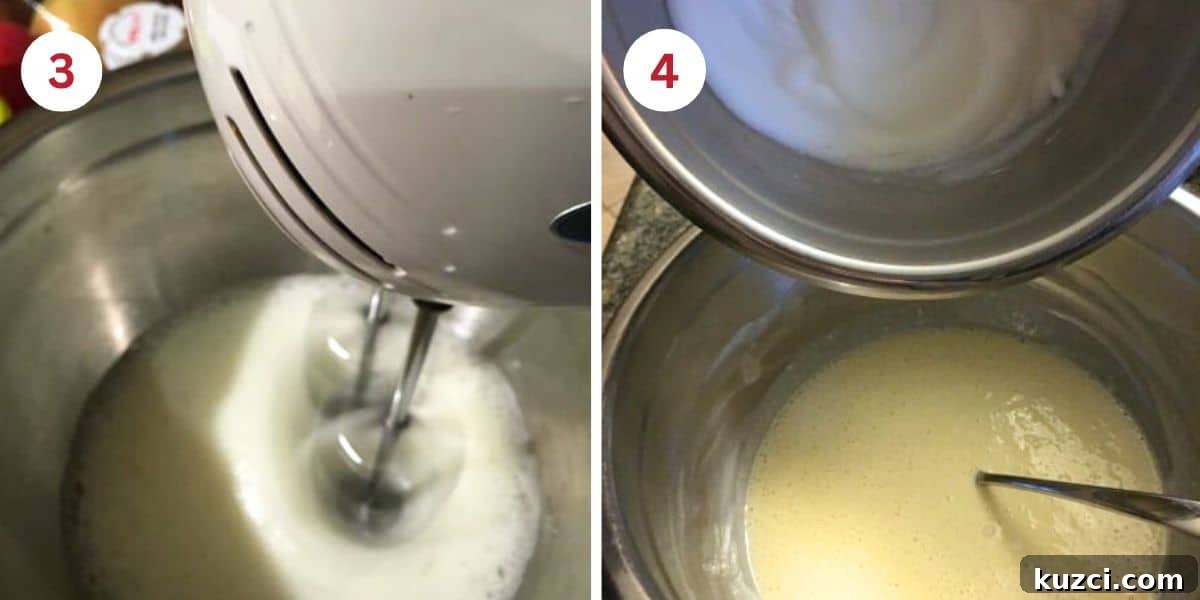
Step 4: In a clean, dry bowl beat the egg whites with an electric mixer or stand mixer until stiff peaks form. This is the key to a light, airy cake.
Step 5: Gently fold the whipped egg whites into the batter in two additions, careful to preserve as much air as possible.
Step 6: Place the filled mini pans or springform pan in a larger baking dish and add about 1/2 inch of hot water to the outer pan (a water bath helps keep the cakes tender). If using a springform pan, wrap the outside bottom in foil to prevent water from seeping in.
Step 7: Bake at 350ºF for 25 minutes for individual cakes, or 40–45 minutes for one large cake. The cake should be set, slightly risen, and the top should feel firm (the cake will rise and fall a bit as it cools). Test doneness by inserting a toothpick into the center — it should come out clean or with a few moist crumbs.
Step 8: Remove from the oven and transfer to a cooling rack. Allow to cool completely before unmolding and serving.
Tips For a Fluffy Yogurt Cake
- Whip the egg whites to stiff peaks — this adds important air to the batter and gives the cake a light texture.
- Fold the whites in gently using a spatula; avoid over-mixing so you don’t deflate the bubbles.
- Use plain unsweetened yogurt for balanced flavor and moisture.
- If baking one large cake, a springform pan makes removal easy after cooling.
- Adjust liquid or flour by a tablespoon if your specific gluten-free blend needs it — aim for a thick cake-batter consistency.
Storage and Freezing Tips
- Store cakes in an airtight container in the refrigerator for up to 4 days.
- Freeze for up to 4 months. Flash-freeze individual cakes or slices on a sheet pan for about an hour, then transfer to a freezer-safe container or bag so they retain shape.
- To thaw, bring to room temperature on the counter before serving.
Ingredients
- ¾ cup gluten-free flour blend (1:1)
- ⅔ cup cane sugar
- 3 large eggs (separated)
- 2 tablespoons light oil (coconut, canola, or other)
- 1 cup non-dairy or regular milk
- 5 tablespoons fresh lemon juice
- 2 teaspoons lemon zest
- Dash of salt
- 8 ounces (about 1 cup) plain yogurt (Greek or regular; use dairy-free yogurt for a dairy-free version)
- ½ teaspoon xanthan gum if your flour blend does not already include a binder
Equipment
- Electric mixer or stand mixer (for whipping egg whites)
- Mixing bowls
- Whisk and spatula
- Mini bundt pans, ramekins, or a springform pan
- Large baking pan for water bath
Method
- Preheat oven to 350ºF. Prepare pans.
- Whisk flour, sugar, and salt (and xanthan gum if needed) in a bowl.
- Whisk yolks with oil; add milk, yogurt, lemon juice and zest. Combine with dry ingredients.
- Whip egg whites to stiff peaks and fold gently into batter.
- Fill pans, place in a larger pan with ½ inch of water, and bake until set (25 minutes for mini cakes, 40–45 minutes for one large cake).
- Cool on a rack until fully set, then unmold and serve.
Notes
- Use a stable gluten-free 1:1 flour blend for best results.
- Add xanthan gum (½ teaspoon) if the blend has no binder.
- To make this dairy-free, substitute plain dairy-free yogurt and dairy-free milk.
- Do not use thick canned coconut milk as your main liquid; it can make the batter too heavy.
- Test for doneness with a toothpick — it should come out clean or with a few moist crumbs.
- Store in the fridge up to 4 days or freeze up to 4 months.
This post was updated from an older March 2017 version with clearer instructions and more recipe details.