 Is it time to plant your tomatoes? Tomatoes do best when set out after the last frost has passed. Here in the Mid-Columbia I usually plant on Mother’s Day and only rarely have I seen frost damage. This year my seedlings are already large and ready for the garden, so I’m moving them outdoors a bit earlier. Follow these steps for stronger, healthier plants and a better tomato harvest later in the season.
1. Harden off your plants
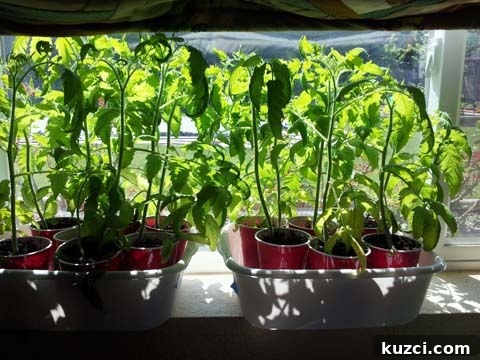
Seedlings raised indoors or in a greenhouse need time to adjust to outdoor conditions. Hardening off reduces transplant shock and prepares foliage for direct sun and wind. Over about a week, start by putting your plants outside for a few hours in a sheltered spot, bringing them back in at night for the first two to three nights. Gradually increase the time they spend outdoors until they stay out all day, sheltered from strong wind. Keep the soil consistently moist but not waterlogged during this transition.
2. Choose the right planting space
Although young plants take up little room, tomatoes grow vigorous stems and foliage. Give each plant at least one square foot of space; more room is even better. Adequate spacing improves air circulation, reduces disease pressure and encourages larger fruit. If you had success in a particular garden spot last year, you can plant tomatoes there again. If conditions were poor, rotate to a new location. To limit pest problems, avoid planting tomatoes where potatoes grew last year and keep them a reasonable distance from corn.
3. Amend and fertilize the soil
Tomatoes benefit from rich, well-draining soil. Work in mature compost or use a balanced tomato-specific fertilizer at planting. Compost supplies organic matter and trace minerals, while a fertilizer can help if your soil is depleted. Proper calcium levels are important to prevent blossom end rot, a common disorder of ripening fruit. If foliage looks yellow after a wet period, an additional light feeding or more compost often restores vigor. Think of feeding as giving your tomatoes the nutrients they need to set and ripen fruit.
4. Plant deeply for strong roots
Tomato seedlings will develop extra roots along buried stems, so plant deeply. Dig a hole or trench and lay the stem in so that the soil covers up to the first true leaves. The buried stem will produce a thicker root system, anchoring the plant and improving water and nutrient uptake. In tight spaces you can plant upright but still bury a generous portion of the stem. For sprawling varieties, a shallow trench method works well if you have room to spread.
5. Protect plants from weather and pests
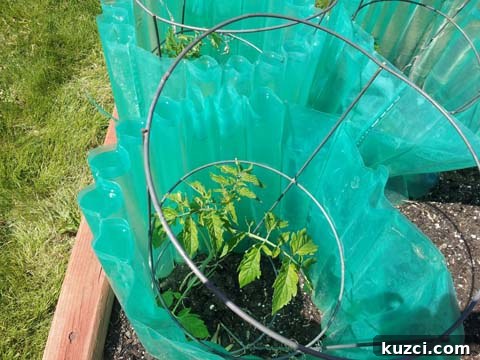
After planting, young tomatoes may still need protection from cold nights, heavy rain, strong wind and early pests. Lightweight row cover can protect tender foliage and exclude many insects while allowing light through. Devices like Wall O’ Water create a warmer microclimate by trapping heat from the sun and can be helpful during unexpected cool spells. Consider adding mulch—newspaper topped with grass clippings, straw or other organic mulch—to conserve soil moisture, suppress weeds and moderate soil temperature.
6. Support and water consistently
Plan for support early. Install stakes, cages or trellises at planting time to avoid disturbing roots later. Training plants upward improves air circulation and simplifies harvesting. Water consistently and deeply at the base to encourage root growth; irregular moisture can contribute to cracking and disorders like blossom end rot. Mulch and drip irrigation or soaker hoses help maintain steady soil moisture.
Planting tomatoes is one of the most rewarding tasks in the vegetable garden. With proper hardening off, careful planting, soil amendment, protection and support, you’ll be set up for a season of juicy cherry tomatoes, colorful heirlooms and robust sauce varieties. What tomato types do you enjoy growing most?