Welcome to the annual Labor Day edition of the Smoking Meat newsletter. For many people this is the last big outdoor gathering of the season before cooler weather arrives. I don’t put my smoker away — I smoke year-round, and nothing short of extreme weather keeps smoke out of my yard. If you’ve ever used a torch or lighter to melt ice from a smoker door so you could get cooking, you know the dedication involved.
In this issue you’ll find straightforward tips to help you succeed with your smoker, whether it’s your first time or you’re a seasoned pitmaster. I’ve also highlighted several favorite articles from past newsletters; click any image or link to go directly to full recipes with photos and step-by-step instructions.
Wishing you a great long weekend with family, friends, and plenty of smoked food.
Previous Newsletter:
How to Butterfly “Spatchcock” a Chicken
This article shows how to butterfly (spatchcock) a chicken by removing the backbone so the bird lays flat on the grate. Spatchcocking lets the chicken cook faster and much more evenly, producing a tender, juicy result even without brining. The article includes a short video demonstrating the process.
Missed a newsletter? Check the archive for past issues and recipes.
Labor Day Favorites
Here are popular holiday favorites that perform well on a smoker. Click any picture or link to view the full recipe and instructions.
3-2-1 Pork Ribs
Pulled Pork
Smoked Brisket
Bacon-Wrapped Chicken Breasts
Chicken Pieces (legs & thighs)
Whole Smoked Chicken
Smoked Shrimp
Cream Cheese-Stuffed Jalapeños Wrapped in Bacon (ABTs)
Smoked Tilapia
Smoked Jalapeño-Stuffed Meatloaf
Pulled Pork Hot Dogs
Bacon Explosion (Fatty)
Smoked Burgers & Hot Dogs
Smoked Corn, Cabbage & Potatoes
Smoked Chicken Wings
Smoking Tips for Labor Day
Below are answers to common questions and practical tips to help your Labor Day smoking go smoothly.
Starting Charcoal
I recommend using a charcoal chimney starter. Place a small sheet of newsprint or a natural fire starter in the bottom, fill the top with briquettes or lump charcoal, set the chimney on a fireproof surface, and light the paper. In 10–15 minutes you’ll have prelit charcoal ready to pour into your smoker — no lighter fluid required. If you have a gas grill with a side burner, you can set the chimney on the lit burner to start the coals.
Tip: A small drizzle of vegetable oil on the paper can help it burn more reliably.
Briquettes vs. Lump Charcoal
Briquettes are manufactured and contain binders, which gives them a consistent shape, steady burn, and lower cost. Lump charcoal is simply pre-burned hardwood: it lights hotter, burns faster, and tends to be less uniform. I generally prefer lump for most cooks, but briquettes are great when you want a predictable, consistent burn.
Gas, Electric, Charcoal, and Wood Smokers
Smoking is fundamentally heat + smoke. Any fuel that provides stable low temperature and smoke will work. Wood smokers use wood as both fuel and smoke source and often produce a stronger smoke flavor because smoke flows from start to finish. Gas, electric, and charcoal smokers all work well if you maintain temperature, use a water pan where applicable, add wood for at least part of the cook, and rely on internal meat temperature rather than clock time to tell you when the meat is done.
One Piece vs. Multiple Pieces — Do Cook Times Change?
Adding more pieces to the smoker does not generally double the cook time. Heat works on all items simultaneously, so two similar pieces will finish in roughly the same time as one. Cook time depends mostly on geometry and thickness rather than count. Use weight as a practical estimate (for example, many pitmasters estimate brisket and pork shoulder at ~1.5 hours per pound), then monitor internal temperature and allow extra padding time — it’s easier to hold food warm than to rush dinner if it’s late.
If Meat Finishes Early
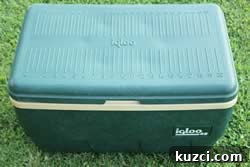 Wrap the meat in heavy-duty foil, then in a thick towel, and place it in an empty cooler. Fill remaining space with pillows, towels, or blankets and close the lid tightly. Properly wrapped, the meat will usually stay above 140°F for 3–4 hours.
Tough, Chewy Chicken Skin
Low smoking temperatures can leave chicken skin soft rather than crisp. To improve skin texture, raise the smoker temperature to ~275°F toward the end of the cook, or smoke at a moderate temperature (around 240°F) until approximately 80% done, then finish on a very hot grill to crisp the exterior. Smoked chicken flavor is unique, but it won’t match the crispiness of frying or high-heat roasting without finishing hot.
Bark on Smoking Wood?
Unless the bark is moldy, rotten, or infested, it’s usually fine to leave it on. I haven’t noticed a taste difference between wood with or without bark, so I only remove it if there’s a problem.
Will Smoking Fish Make Everything Taste Fishy?
Not in my experience. I regularly smoke fish in the same equipment I use for other meats and don’t detect a noticeable flavor crossover when the smoker is cleaned and aired between cooks.
Soaking Wood Chips
Soaking wood chips is common, but I prefer using dry chips or chunks in a foil packet or metal box. Wet wood initially produces steam while drying, delaying smoke production. Dry wood starts smoking immediately, so try both methods and use whichever gives you the best results.
Bitter or Overly Smoky Flavor
Too much smoke or a bitter taste often comes from inadequate airflow. A steady draft pulls smoke across the meat and out of the smoker; restrict airflow too much and you get incomplete combustion and harsh flavors. Keep vents at least partially open (about 25% or more) during cooking to maintain proper airflow, especially with charcoal and wood smokers.
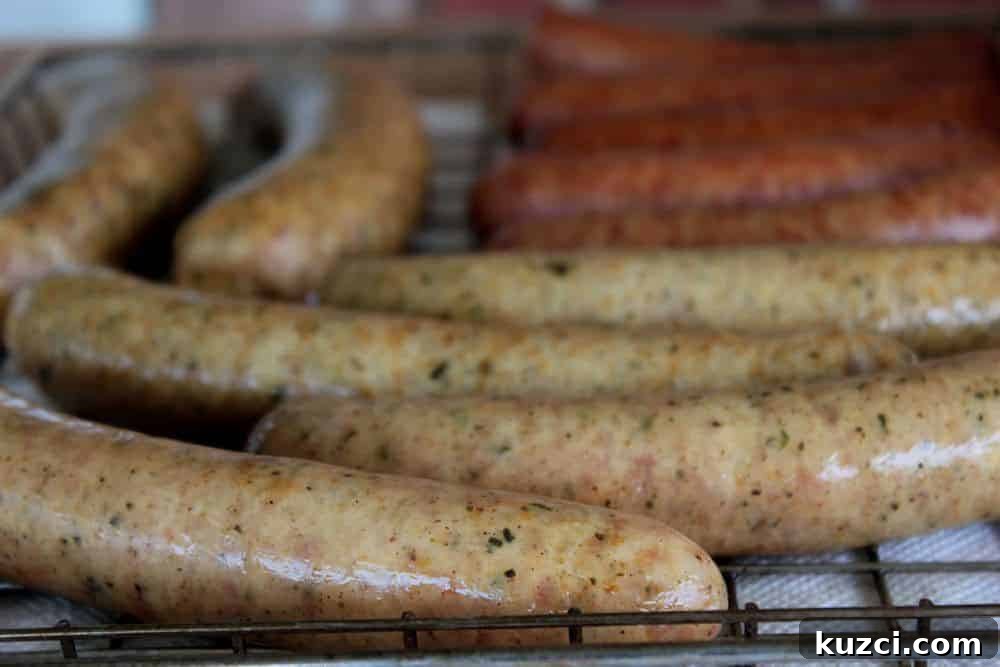
How to Smoke Brats and Boudin
Smoke brats at 225°F for no more than 2 hours to avoid toughness. Boudin performs best at about 2.5–3 hours at 225°F.
 Order My Recipes
 Order My Recipes
I stand behind my rib rub and barbecue sauce — they work on ribs, chicken, brisket, pork shoulder, fish, and more. Many readers tell me these recipes are game changers for flavor. If you choose to order the recipe pack, you’ll receive a downloadable PDF with the rub and sauce formulas and support this site so I can keep producing helpful content.
Here are a few short notes from readers who bought the recipes:
“Used your rub on a ham — best tasting ham we’ve ever had.” — Jack
“The best rub and sauce I have ever had. Did the turkey for Thanksgiving and it was amazing.” — Andy
“Followed your directions and I was the RIB KING for a day.” — Harold
Recipes are priced to be accessible, and a purchase will move you to a customer newsletter without recipe ads. If you order, you should receive a download email within minutes — check your spam or junk folder first. If you don’t receive it, contact me and I’ll send the PDF as an attachment. The download lets you save a copy of the recipe file to your computer.
Note: Sales help support the content on this site. Customers receive the same quality newsletter content with ads for the recipes removed from the customer version.