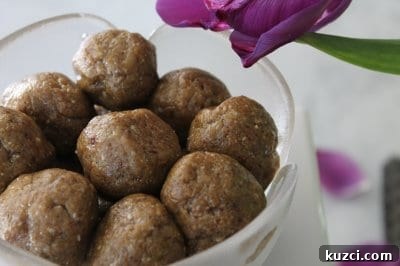
The other day my mom asked me what the difference was between hemp, chia and flax seeds. I knew they were all good sources of essential fatty acids and fiber, but I wasn’t sure what truly set them apart. I did some research and organized the results to make it easier to understand. Below you’ll find a concise overview of hemp seeds, their nutritional strengths, and a simple recipe to try.
I’ve broken this into three parts; this post focuses on hemp seeds. The goal is to present useful, practical information and an easy way to add hemp to your diet.
Hemp Seeds
Hemp conjures various images for many people, but when it comes to food, hemp seeds (also called hemp hearts) are valued for their nutrition. Hemp comes from the Cannabis sativa L. species, the same plant species as marijuana, but hemp seeds are harvested from non-psychoactive varieties and do not produce any intoxicating effects. Hemp has a long history of non-food uses—fiber for textiles, rope, and paper—but today hemp seeds are popular as a nutrient-dense ingredient in many diets.
Here are the key nutritional and health-related points about hemp seeds:
1) Hemp seeds provide all 20 amino acids, including the nine essential amino acids our bodies cannot produce on their own. That means they supply complete, high-quality plant protein.
2) Hemp seeds are among the richest botanical sources of essential fatty acids, supplying both omega-6 and omega-3 fats in a meaningful amount.
3) Hemp seeds have an approximate 3:1 ratio of omega-6 to omega-3 fatty acids, which is considered balanced and beneficial. Maintaining a reasonable omega-6/omega-3 ratio may support general health, while very high ratios (common in some Western diets) are associated with increased inflammation and higher risk for certain chronic diseases.
4) Hemp seeds are a high-protein seed with easily digestible proteins that support immune function and overall nutrition. One ounce (about two tablespoons) of hemp seeds can provide a substantial amount of protein for a plant-based ingredient.
5) Hemp seeds contain notable amounts of vitamin E, magnesium, potassium and iron—micronutrients that contribute to overall health.
6) Hemp seeds are rich in phytonutrients—plant-derived compounds that can protect cells and tissues and support immune and cardiovascular health.
These six points highlight the most widely noted benefits of hemp seeds, but they also contain other nutrients and plant compounds that make them a versatile addition to a healthy diet. As with any concentrated source of fats and calories, hemp seeds are best consumed in moderation. Even though hemp offers a favorable fatty-acid ratio compared with many other seeds and nuts, it’s wise to balance portion sizes as part of an overall varied diet.
Ways to use hemp seeds include sprinkling them on oatmeal or yogurt, blending them into smoothies, adding them to salads, or incorporating them into snacks and energy bites. Below is a straightforward recipe that makes it easy to enjoy hemp hearts as a portable snack.
Lemon Hemp Bites

- Total Time: 10 minutes
- Yield: 15 balls
Ingredients
- 1 cup cashews
- 1 cup dates, pitted
- ¼ cup hemp seeds (shelled)
- ¼ cup vanilla protein powder (optional; I used Vega)
- Zest of 1 lemon
- Juice of ½ lemon
- ¼ tsp sea salt
Instructions
- In a food processor, pulse the cashews and dates until they are broken down and start to clump together (about 1–2 minutes).
- Add the hemp seeds, vanilla protein powder, lemon zest and sea salt. Process for about one minute to combine.
- With the processor running, add the lemon juice and continue until the mixture comes together into a sticky ball.
- Roll the mixture into 15 medium-sized balls. Store in the refrigerator for up to a week or freeze for longer storage.
Do you use hemp seeds in your cooking? How do you like to incorporate them—smoothies, salads, or snacks? If you’re curious to learn more about hemp seeds and hemp hearts, there are many resources available that cover cultivation, processing, and nutritional analysis.