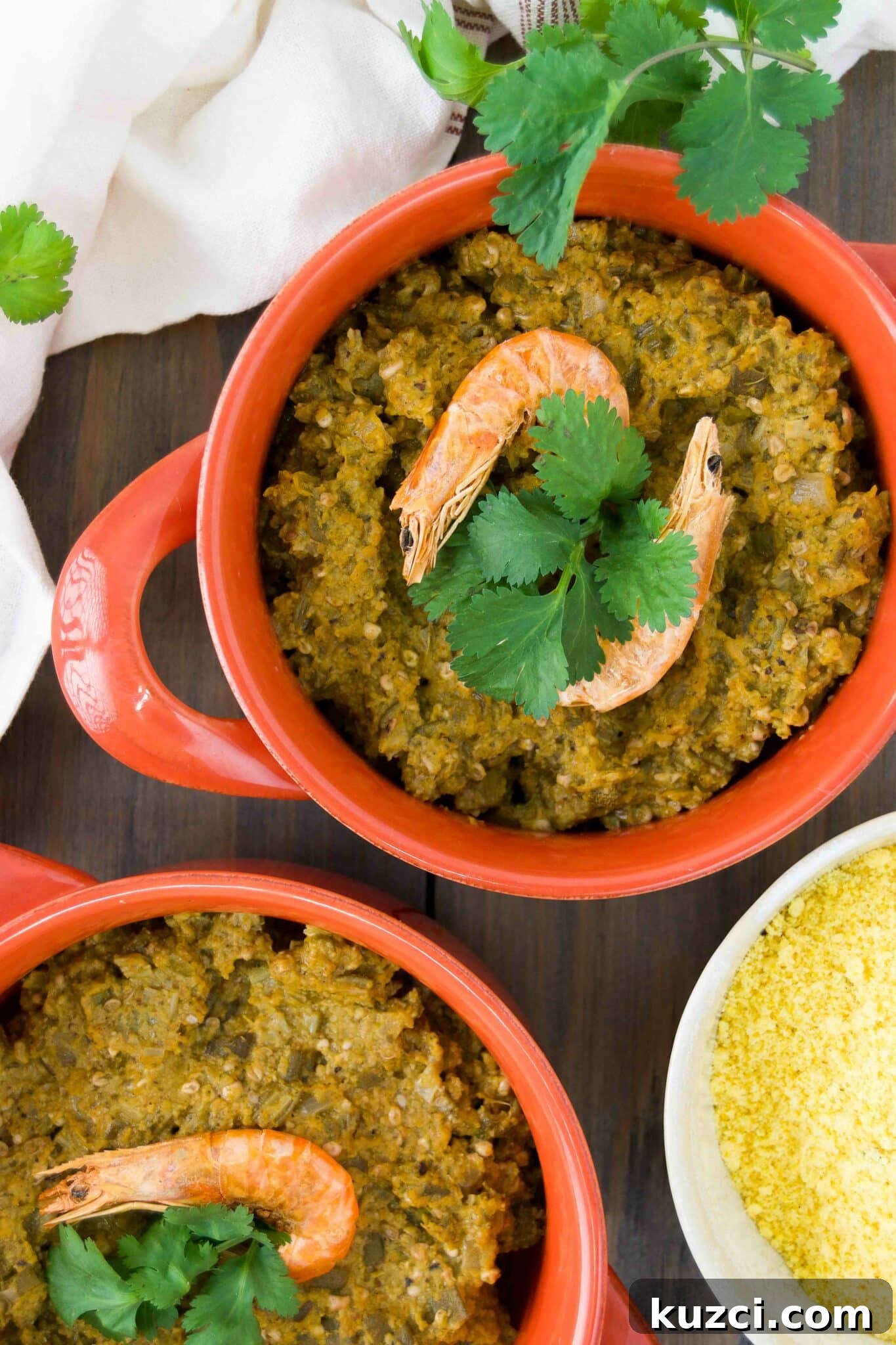
Caruru, a classic Brazilian shrimp and okra dish, is comforting, filling and absolutely delicious. It’s made with salted dried shrimp, palm oil (azeite de dendê), fresh ginger, coconut milk and other easy-to-find ingredients. Though the recipe requires a bit of work, it’s not difficult, and the result is worth every minute. Your família will love it!

Oi, gente!
Welcome to February — and a warm Happy Black History Month. This month’s theme recognizes the long history of Black resistance and the ways in which African foodways were carried across the Atlantic and adapted in the Americas. Many of the dishes we know and love today trace back to those traditions and the resilience of our ancestors who preserved culinary knowledge through generations.
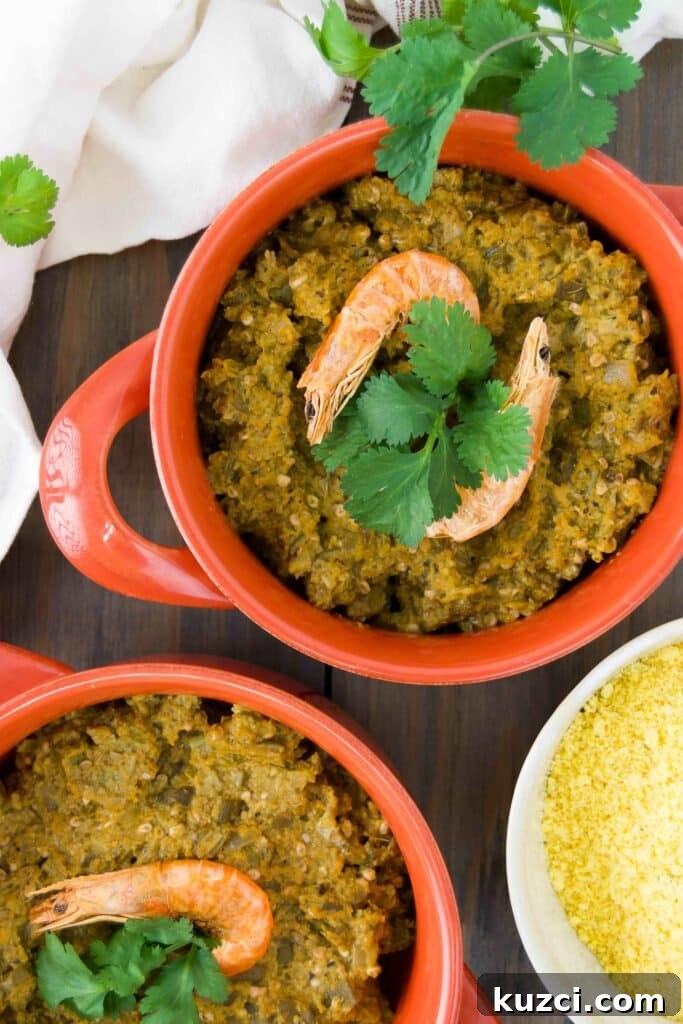
Today I’ll show you how to make Caruru Baiano, a beloved dish from northeastern Brazil descended from West African okra stews such as Nigerian okro soup. Okro soup brings together okra, seafood or meat, and spices cooked in palm oil; here, those ideas evolved into the Caruru we serve in Brazil: a savory, slightly nutty, richly colored okra and dried shrimp stew.
If okra’s texture or the “slime” worries you, don’t let that stop you. Caruru uses a couple of simple techniques to reduce sliminess and transform okra into a silky, flavorful base for the stew. Read on for practical tips and clear, step-by-step instructions.
What is caruru?
Caruru is a traditional Brazilian dish, especially popular in the northeast. It combines diced okra with salted dried shrimp, palm oil, nuts, herbs and coconut milk to create a thick, savory side or accompaniment to fish, shrimp or acarajé (black-eyed pea fritters). The flavor profile blends African, Indigenous and local Brazilian influences: tangy, savory, slightly nutty and brightly colored from dendê oil.
Caruru Ingredients and Tools
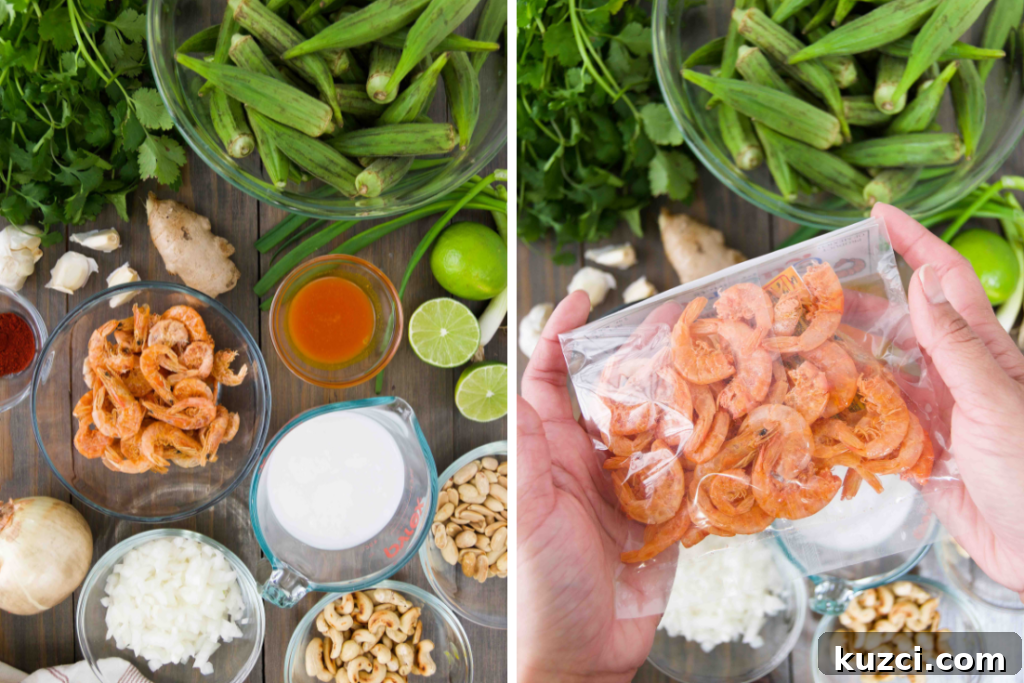
- Okra – about 1 pound; choose fresh, firm pods (see picking tips below).
- Salted dried shrimp – about 2 ounces; this is a primary flavor component.
- Palm oil (azeite de dendê) – about 2 teaspoons; it gives color and a signature flavor. Use sparingly to avoid overpowering.
- Onions – 2 medium (one peeled and quartered for blending, one diced for sautéing; you’ll need ~1/2 cup diced).
- Garlic – 3 cloves, peeled.
- Cilantro – one bunch, leaves picked for the blender.
- Scallions – 4–5 green onions.
- Toasted nuts – about 1/4 cup toasted cashews and 1/4 cup toasted peanuts for body and nuttiness.
- Ginger – 1/2 inch piece, fresh.
- Coconut milk – about 7 ounces (canned); you will not need the entire can depending on brand.
- Lime juice – 1 tablespoon freshly squeezed to reduce okra slime.
- Smoked paprika – 1 teaspoon (optional) to add a smoky depth if your dried shrimp aren’t smoked.
- Salt – to taste; be mindful because salted dried shrimp can be quite salty.
- Water – for blending the shrimp and adjusting consistency.
Kitchen tools:
- High-speed blender
- Liquid measuring cup
- Sharp knife and cutting board
- Dutch oven or another heavy-bottom pan
- Citrus juicer
How to choose fresh okra
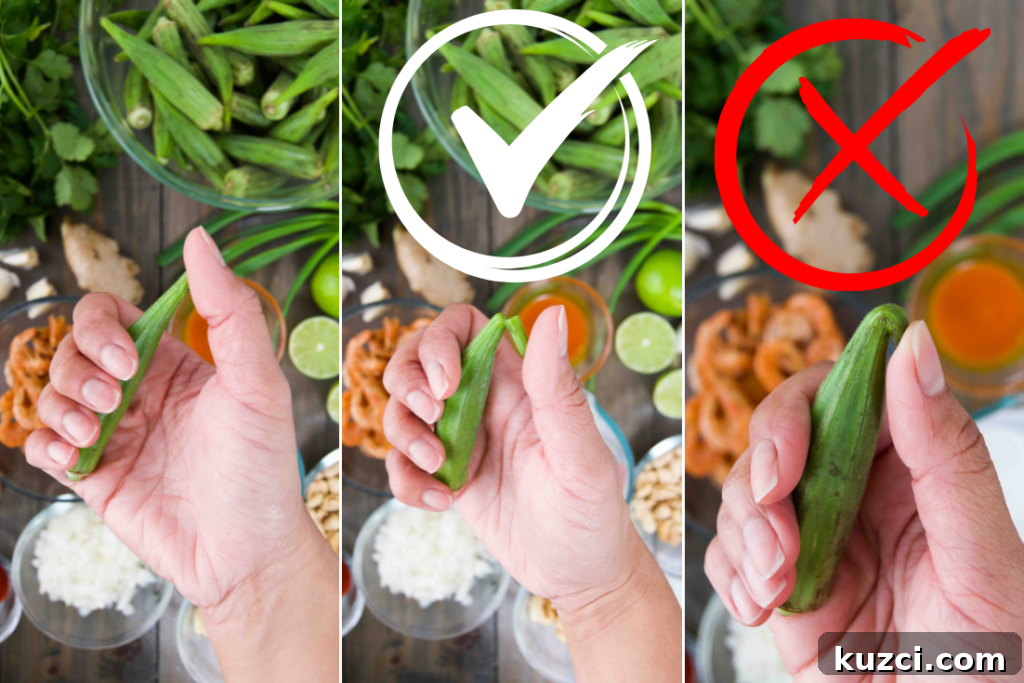
Pick okra with firm, small-to-medium pods. A simple freshness test: hold the okra and fold the tip with your thumb. If the tip snaps off cleanly, the pod is fresh. If it bends without snapping, it’s older and less ideal for caruru. Freshness matters because it affects texture and flavor in the final dish.
How to make Caruru
Caruru takes some hands-on work, especially chopping the okra into small dice. The sticky mucilage can be frustrating, but the process of cooking it off produces flavor. Here’s a clear step-by-step method that works well.
- Remove the stem tops from the okra and discard. Chop the okra into small dice and set aside.
- Place the salted dried shrimp (shells and all) in a blender with about 2 cups of water. Blend until smooth, then strain the mixture through a fine sieve into a clean measuring cup and set the strained liquid aside. This forms the shrimp stock.
- Rinse the blender to remove residual shrimp. Add the whole peeled onion (quartered), cilantro leaves, scallions, garlic, toasted nuts, ginger and coconut milk. Blend until smooth to form a vegetable-nut paste.
- Add the reserved strained shrimp liquid to the paste and blend or stir to combine. Set this mixture aside — it is your flavoring stock for the caruru.
- In a heavy-bottom pot or Dutch oven over medium-high heat, warm the palm oil and sauté the diced onion until soft and translucent.
- Add the diced okra and squeeze in the lime juice. Stir frequently and cook the okra to “cook off” the slime. This process takes about 15 minutes. You’ll initially see clear, sticky strands; continue cooking and stirring until those strands disappear and the okra becomes soft. You’ll notice a brown residue building on the bottom of the pan — that’s concentrated flavor. Keep the heat moderate so that residue browns but does not burn.
- Once the okra has lost its sliminess and softened, stir in the smoked paprika if using.
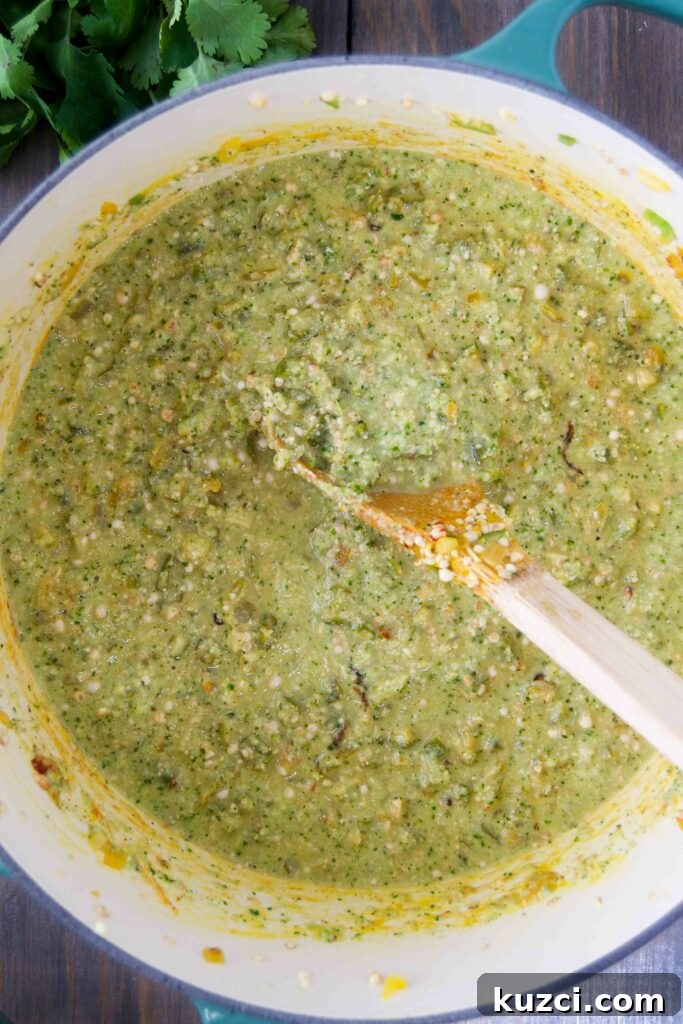
- Pour in the blended mixture (vegetable-nut paste plus shrimp liquid) and stir, scraping the browned bits from the bottom of the pan so they reincorporate into the stew. Reduce heat to medium and simmer, stirring occasionally, until the mixture thickens and reduces to a chunky, porridge-like consistency. This should take about 30 minutes; the finished texture is a thick, chunky puree often called “uma papa.”
- Taste and adjust salt only if needed — the dried shrimp may already provide sufficient seasoning.
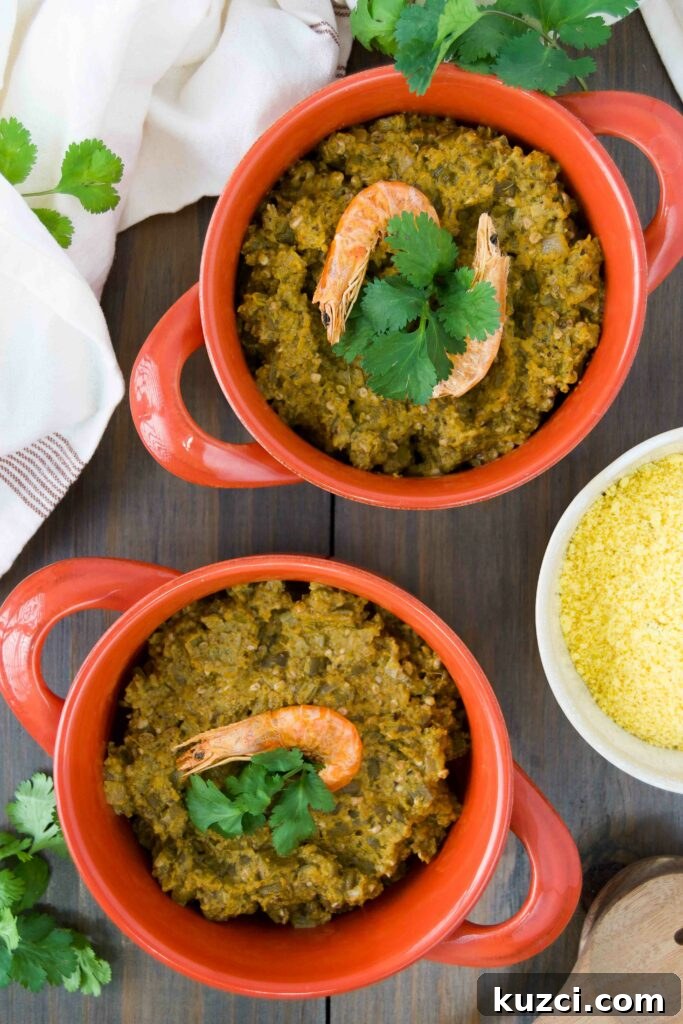
Serve caruru warm alongside proteins such as fish or shrimp, with acarajé, or with a dendê-flavored farofa. A bright hot sauce or additional lime wedges on the side work well, too.
Recipe summary
- Servings: 6
- Prep time: about 30 minutes (mostly chopping)
- Cook time: about 45 minutes
- Total time: about 1 hour
- Course: Side dish
- Cuisine: Brazilian (Northeastern influence)
Caruru rewards patience: the most tedious part is chopping okra and managing its mucilage, but the finished stew is deeply flavored and unique. If you try it, I hope it becomes a regular on your table — bom apetite!