If you’ve started baking gluten-free bread, you’ve probably encountered the term hydration. Hydration is one of the most important factors in gluten-free baking because it determines dough consistency, crumb structure, and the finished loaf’s texture. Understanding and controlling hydration will improve your results and help you adapt recipes to different gluten-free flour blends.
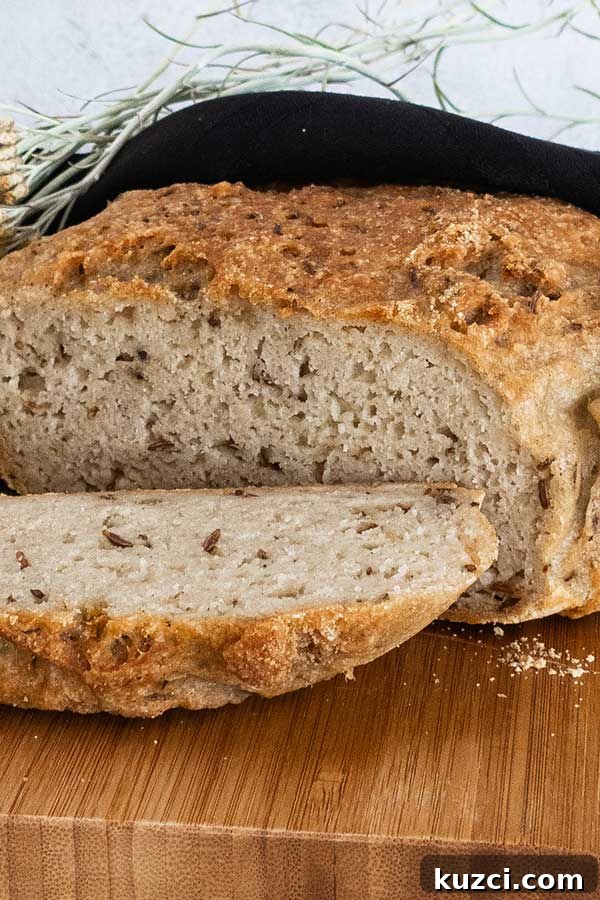
Gluten-Free Dutch Oven Caraway Bread
What Is Dough Hydration?
Dough hydration is the ratio of water to flour in a recipe, expressed as a percentage by weight. This percentage defines how wet or dry the dough is and has a direct effect on handling, rise, and crumb. You calculate it like this:
(Water weight ÷ Flour weight) × 100 = Hydration percentage
Hydration Examples for Gluten-Free Blends
Here are common hydration levels calculated for 500g of gluten-free flour:
70% Hydration: 500g flour + 350g (350 ml) water
80% Hydration: 500g flour + 400g (400 ml) water
90% Hydration: 500g flour + 450g (450 ml) water
For consistent results, always measure ingredients by weight using a kitchen scale rather than relying on volume measurements, which can vary widely with gluten-free ingredients.
Why Hydration Matters in Gluten-Free Baking
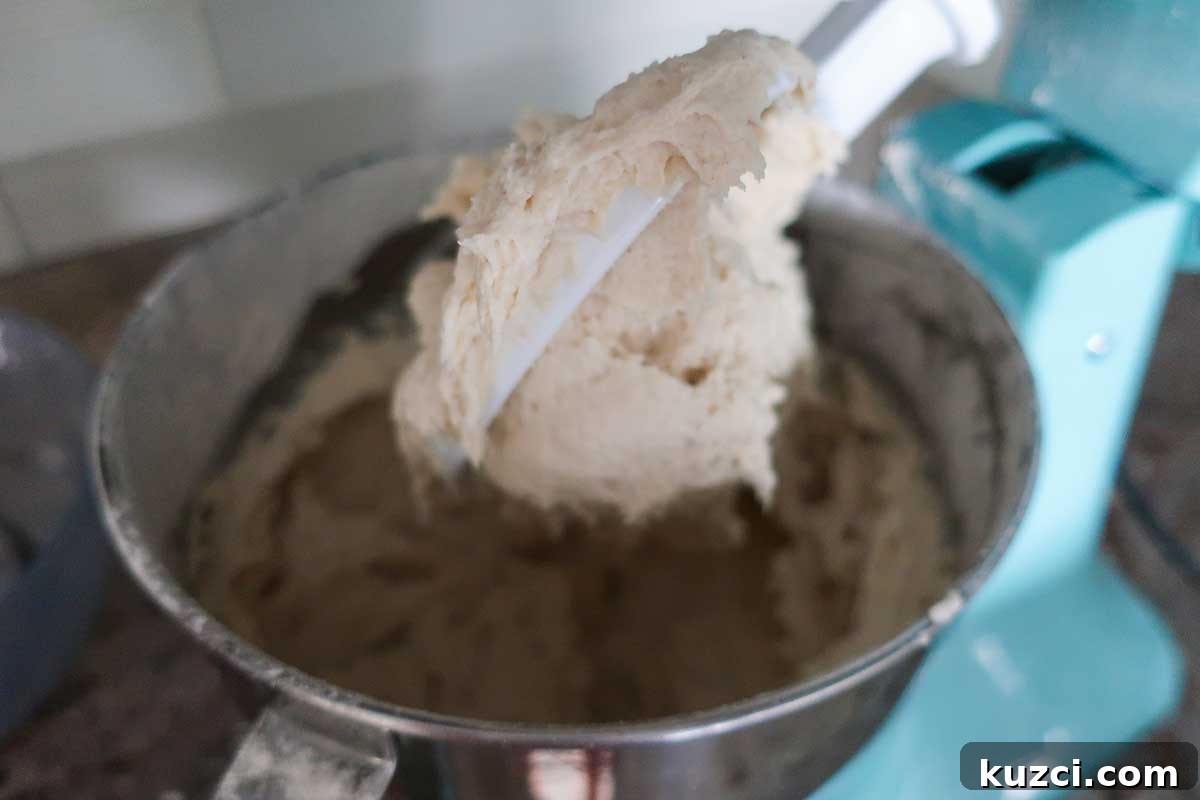
Hydration controls dough texture, elasticity, and the final loaf’s internal structure. Because gluten-free flours lack the gluten network that traps gas and provides stretch, water and gums must compensate to create structure and an appealing crumb. Different hydration levels favor different styles of bread:
Low Hydration (50%–60%): Produces a firmer, easier-to-shape dough. This range works well for denser loaves and some artisan shapes that benefit from tighter structure.
Medium Hydration (65%–75%): Delivers softer dough that is more extensible and forgiving. This is a good range for sandwich loaves and enriched or seeded breads where a slightly tender crumb is desired.
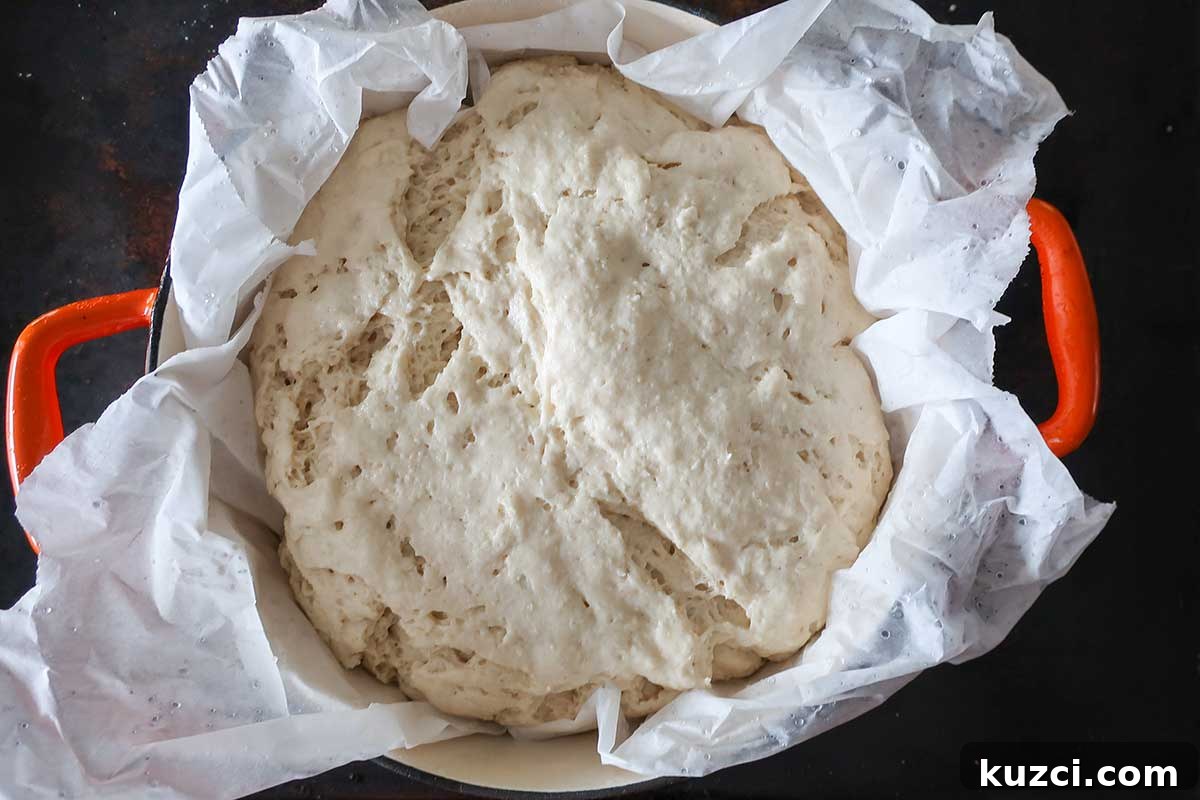
High Hydration (80%–100%+): Creates a very sticky, batter-like dough that requires gentle handling or wet techniques such as stretch-and-fold or pan-baking. High hydration yields an open, airy crumb and a crisp crust in rustic loaves and focaccia-style breads.
Handling Dough at Different Hydration Levels
Higher-hydration gluten-free doughs can be challenging because they lack gluten’s elasticity. To build structure without overworking the dough, use techniques like stretch-and-fold, brief rests for hydration, or treat the mixture as a batter and pour it into prepared pans. Lower-hydration doughs are simpler to shape and are less sticky, but they produce denser loaves.
Hydration for Gluten-Free Sourdough
Sourdough usually benefits from higher hydration. An 80%–85% range often produces a lighter, more open crumb and a chewy texture typical of well-made rustic loaves. Higher hydration can make handling trickier, but the fermentation benefits and improved oven spring make it worthwhile for many sourdough bakers.
The Role of Gluten-Free Flours in Hydration
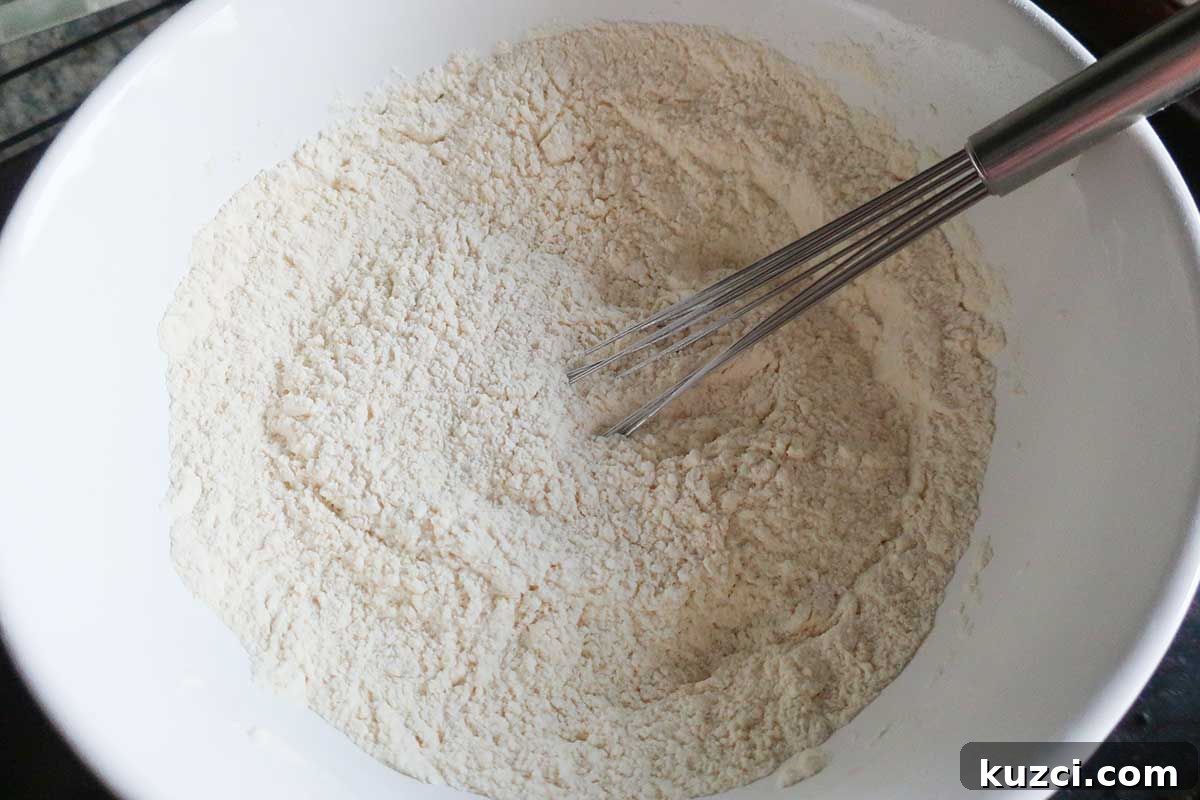
Gluten-free flour blends typically combine ingredients such as rice flour, tapioca starch, potato starch, and sometimes nut flours. Those components absorb water differently than wheat flour, so recipes often need more liquid overall. Key points to remember:
Rice flour tends to absorb more water and can dry a mix if not balanced.
Tapioca and potato starch add elasticity and chew but hydrate differently and can create a gummy texture if used excessively.
Hydrocolloids (like xanthan gum) add structure and influence how much water the dough can hold, affecting both feel and final crumb.
How to Adjust Hydration for Gluten-Free Blends
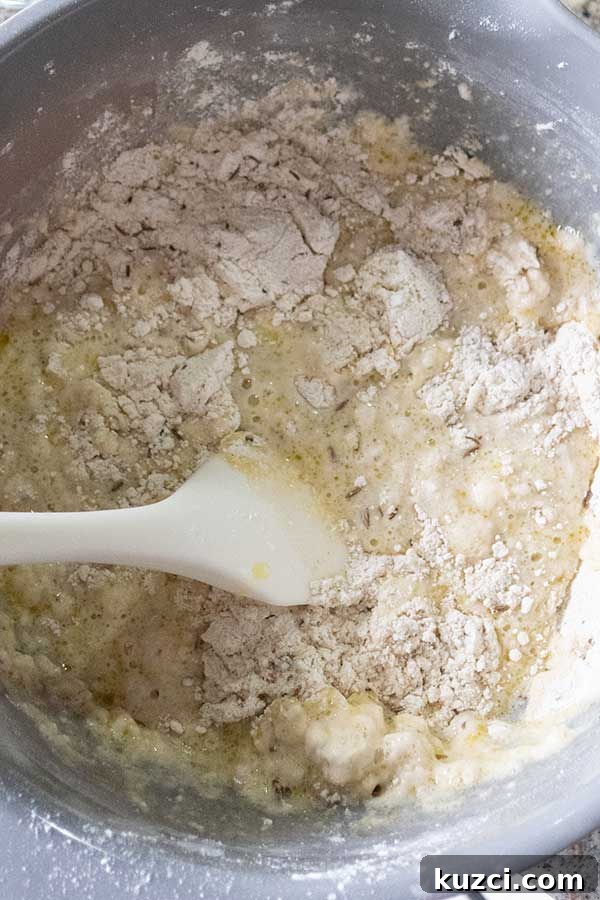
Because absorption varies by blend and brand, start with a higher hydration and adjust. Typical gluten-free hydration often falls between 80% and 90%, but you should adapt based on the flour mix and desired loaf type.
Practical adjustments:
- Start relatively high: Begin near 80% and evaluate feel—this helps prevent dry, crumbly dough.
- Add liquid gradually: Pour a portion of the total water first, then wait several minutes for full absorption before adding more.
- Watch texture, not numbers alone: Aim for a soft, slightly tacky dough rather than an overly loose batter; add small amounts of flour or water if needed.
Gluten-Free Millet Bread
Summary: Why Hydration Is Essential
- Hydration is a primary driver of dough feel and final crumb in gluten-free baking.
- Gluten-free flours usually absorb more water than wheat, so recipes often need higher hydration.
- Typical ranges for gluten-free doughs are higher—often 80%–100% depending on the blend and loaf type.
- Adjust hydration according to the specific flour blend and the texture you want: more water for open, airy crumbs; less for firmer, sandwich-style loaves.
- Measure ingredients by weight, add liquids slowly, and monitor dough texture through short rests to let flours hydrate fully.
Mastering hydration gives you better control over gluten-free bread outcomes. With practice, you’ll learn how each flour blend behaves and how to adjust water to produce consistently successful loaves. Happy baking!