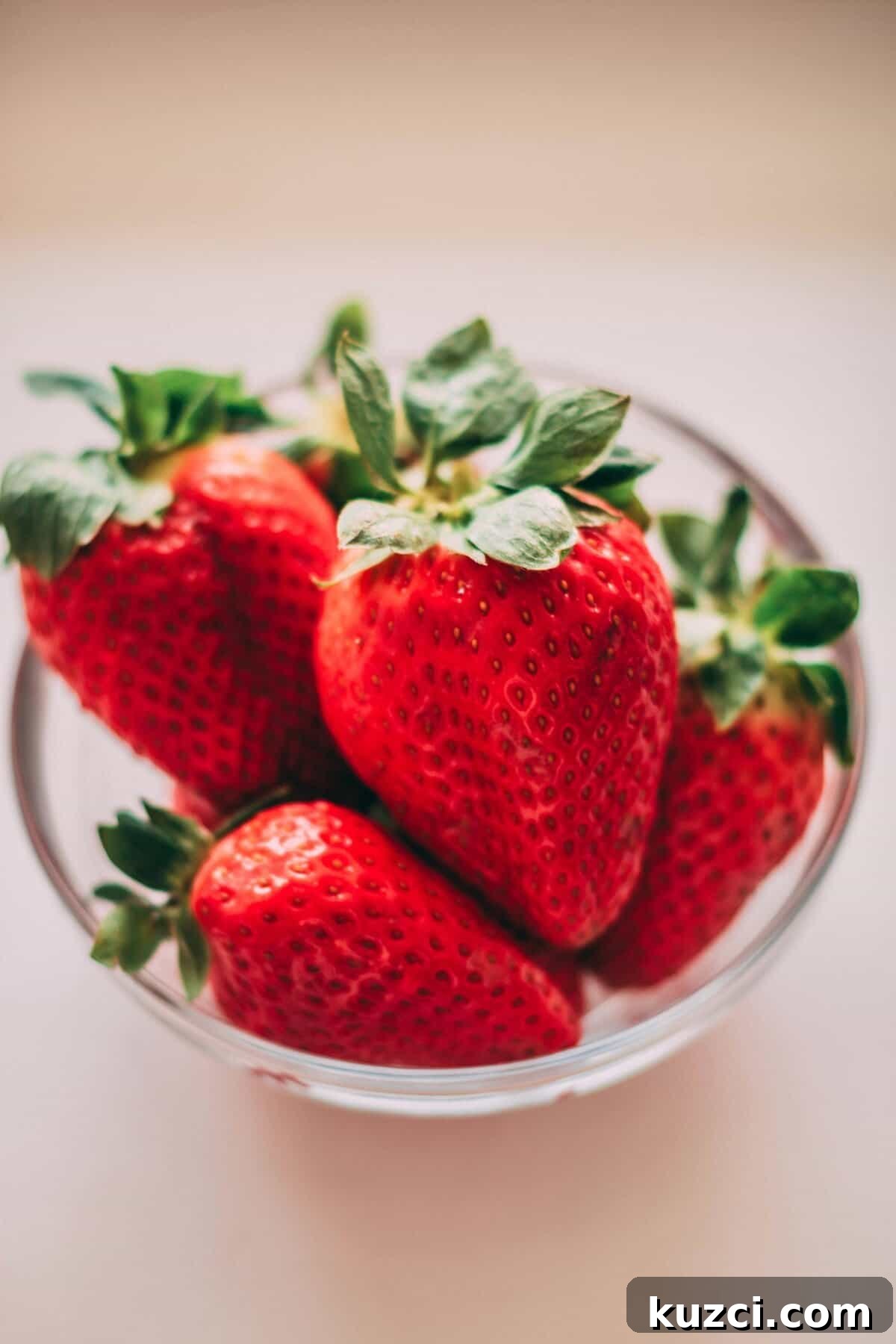
This guide covers everything you need to know about strawberries — from picking and storing to cooking and baking with them. Whether you’re heading to a farmer’s market, harvesting from a backyard patch, or buying a handful at the grocery store, these tips will help you make the most of this sweet, seasonal fruit.
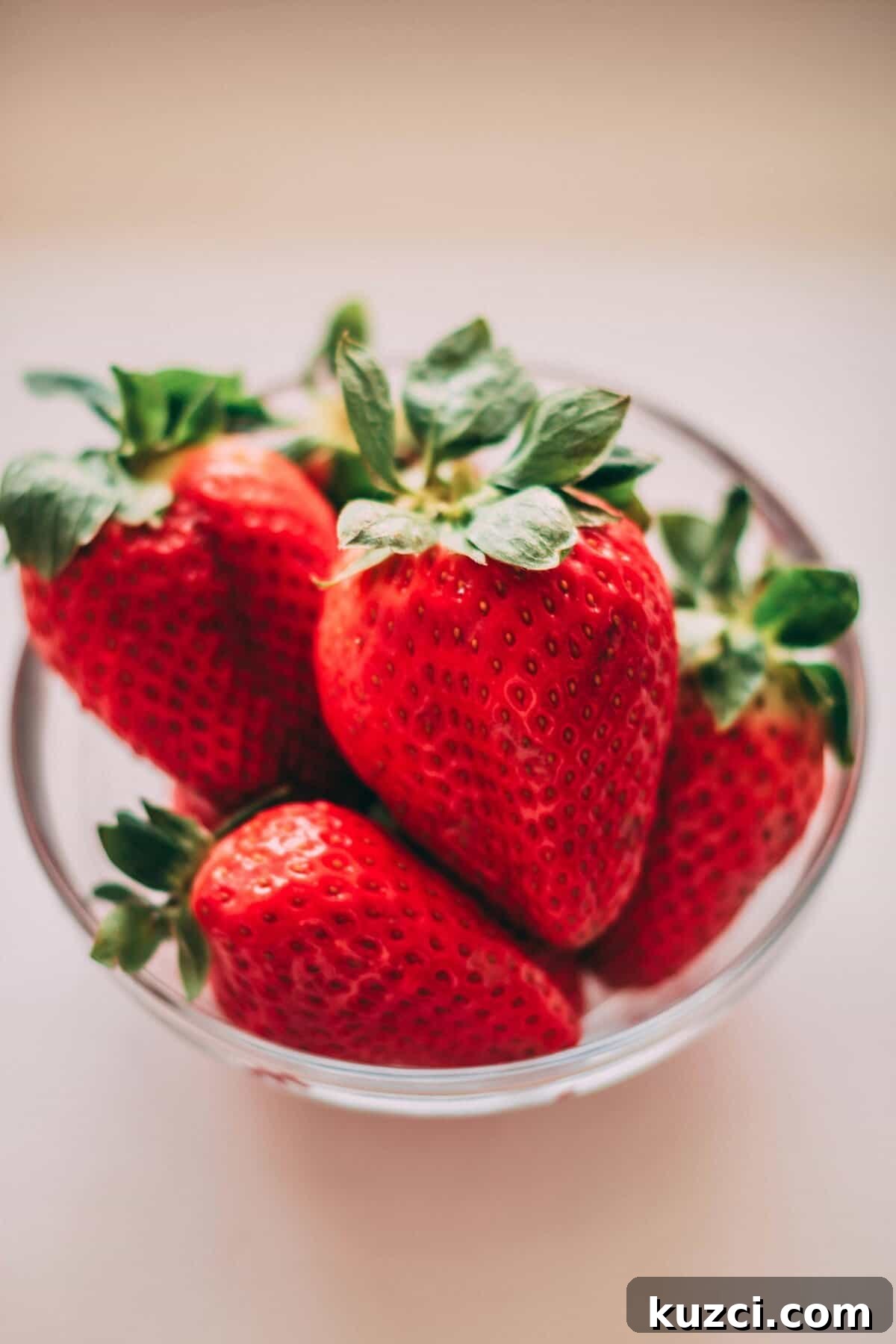
Late spring is when many gardens and markets burst into color, and strawberries are often the first fruit that screams “spring.” After months of winter citrus, apples and pears, strawberries bring vibrant red color and juicy sweetness that’s hard to resist. A short trip to a market in April might yield only a few greens, but by late May and June, you can often find crates of ripe berries ready to enjoy.
Everything You Need To Know About Strawberries
Below are practical tips for selecting ripe strawberries, preparing them for storage, and ideas for cooking and baking. These suggestions will help you keep berries fresh longer and get the best flavor in your recipes.
Strawberry season
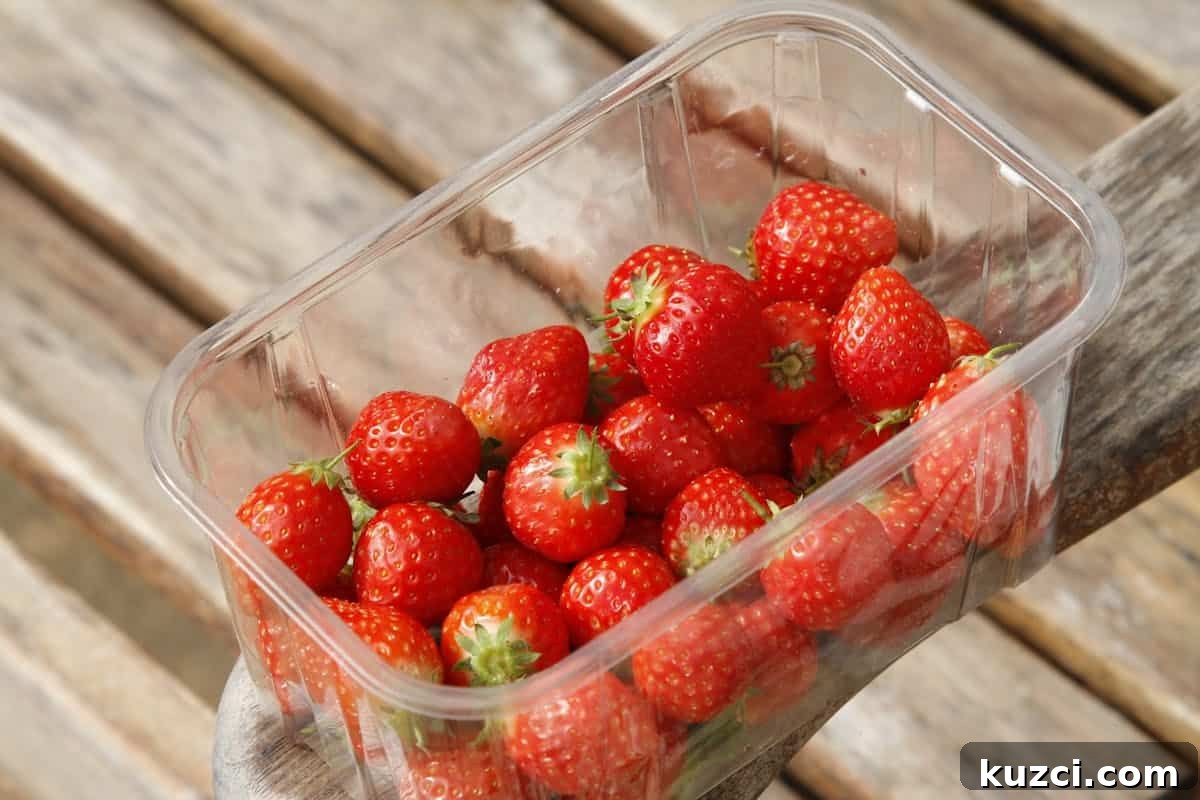
Strawberry season generally runs from May through August, though exact timing depends on your region and climate. In many temperate areas, locally grown strawberries appear in late spring and are most abundant in June. If you grow your own or visit a pick-your-own farm, expect early summer to be peak time for ripe, flavorful berries.
Selecting fresh strawberries
Start with the best fruit for the juiciest results. Use these simple guidelines when choosing strawberries at the market or in the field:
- Color: Look for uniform, deep red color across the berry; white or green tips usually indicate underripe fruit.
- Stem condition: A bright green stem and cap suggest the berry was recently picked.
- Firmness: Strawberries should be tender but still firm to the touch, not mushy.
- Aroma: Ripe strawberries have a sweet, fragrant scent — if they’re nearly scentless, they may lack flavor.
- Damage: Avoid berries with bruises, soft spots, or visible mold, as these will spoil the batch faster.
Locally picked berries are often smaller than supermarket varieties but are frequently sweeter and more flavorful. Don’t be deterred by size — small berries can be exceptional for eating fresh or for desserts.
Preparation before storage
Proper handling before storage extends shelf life and reduces waste. Remove any damaged or overripe berries immediately to prevent spoilage from spreading. Do not wash strawberries until just before you plan to eat or use them; excess moisture speeds up decay.
Sorting and gently inspecting the fruit before putting it away takes only a few minutes and makes a big difference when you’re ready to bake or make desserts like strawberry galette or fresh jam later in the week.
Best storage practices
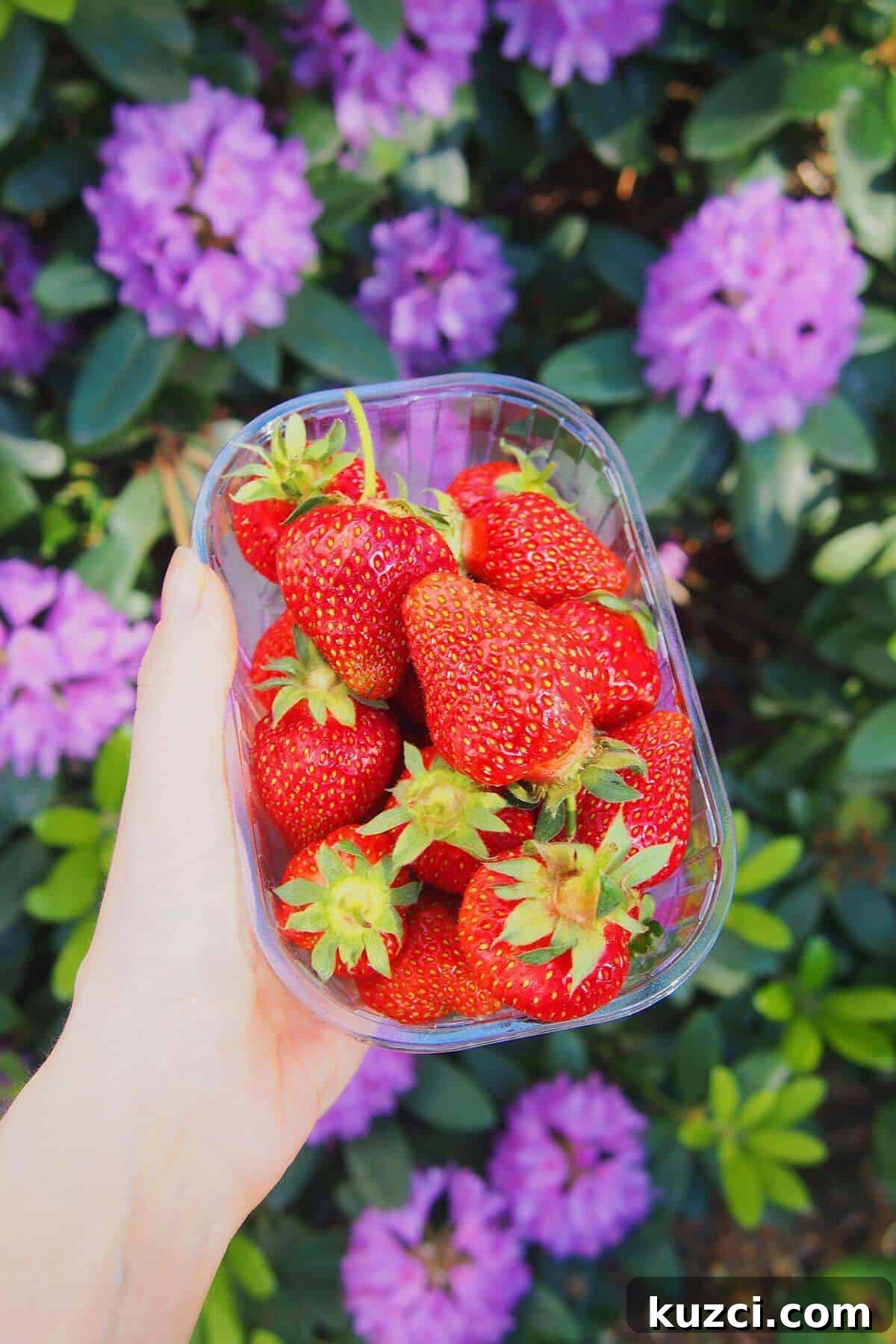
The most important rule for storing strawberries is to keep them dry and well-ventilated. Here are reliable methods to preserve freshness:
- Paper towel and airtight container: Line a shallow container with paper towels, arrange berries in a single layer, and cover with another towel. The paper absorbs excess moisture and the container protects berries from odors in the fridge.
- Glass jar storage: For smaller quantities, place unwashed strawberries in a clean, dry glass jar with a loose lid. Store in the coldest part of the refrigerator and rinse just before eating.
- Vinegar rinse for extended life: A brief soak in a solution of one part white vinegar to three parts water can kill surface mold and bacteria. Rinse thoroughly, dry completely with a salad spinner or clean towels, then store in a lined container as above. This method can add several extra days of freshness.
- Freezing: For long-term storage, wash, hull, and dry berries, then freeze in a single layer on a tray. Once frozen, transfer to airtight freezer bags. Frozen strawberries are ideal for smoothies, sauces, baking, or frozen treats.
Extending the shelf life of strawberries
Regularly check stored berries and remove any that show signs of spoilage. Change the paper towels when they become damp and rotate the fruit so less ripe berries get used sooner. Small, consistent steps like these reduce waste and keep your strawberries tasting their best.
Nutritional benefits of strawberries
Strawberries are an excellent source of vitamin C and antioxidants. A single cup of strawberries provides a significant portion of daily vitamin C needs and contributes valuable phytonutrients and fiber to your diet. They’re a low-calorie way to add flavor, color and nutrition to breakfasts, salads and desserts.
Fun fact: Each strawberry bears many seeds on its surface — typically well over a hundred — which makes it botanically unique among common fruits.
Favorite ways to use strawberries
Fresh strawberries are versatile. Here are a few recipe ideas and serving suggestions that highlight their flavor:
- Strawberry yogurt chocolate chip snack cake — a kid-friendly treat that’s great for snacks or lunchboxes.
- Honey roasted strawberry and feta salad — roasting intensifies the berries’ sweetness and pairs beautifully with salty cheese and crisp greens.
- Grilled chicken with strawberry-basil sauce — a simple grilled protein dressed up with a bright, fruity sauce.
- Strawberry tabouleh — swap some tomatoes for diced strawberries to add seasonal sweetness to this herb-forward salad.
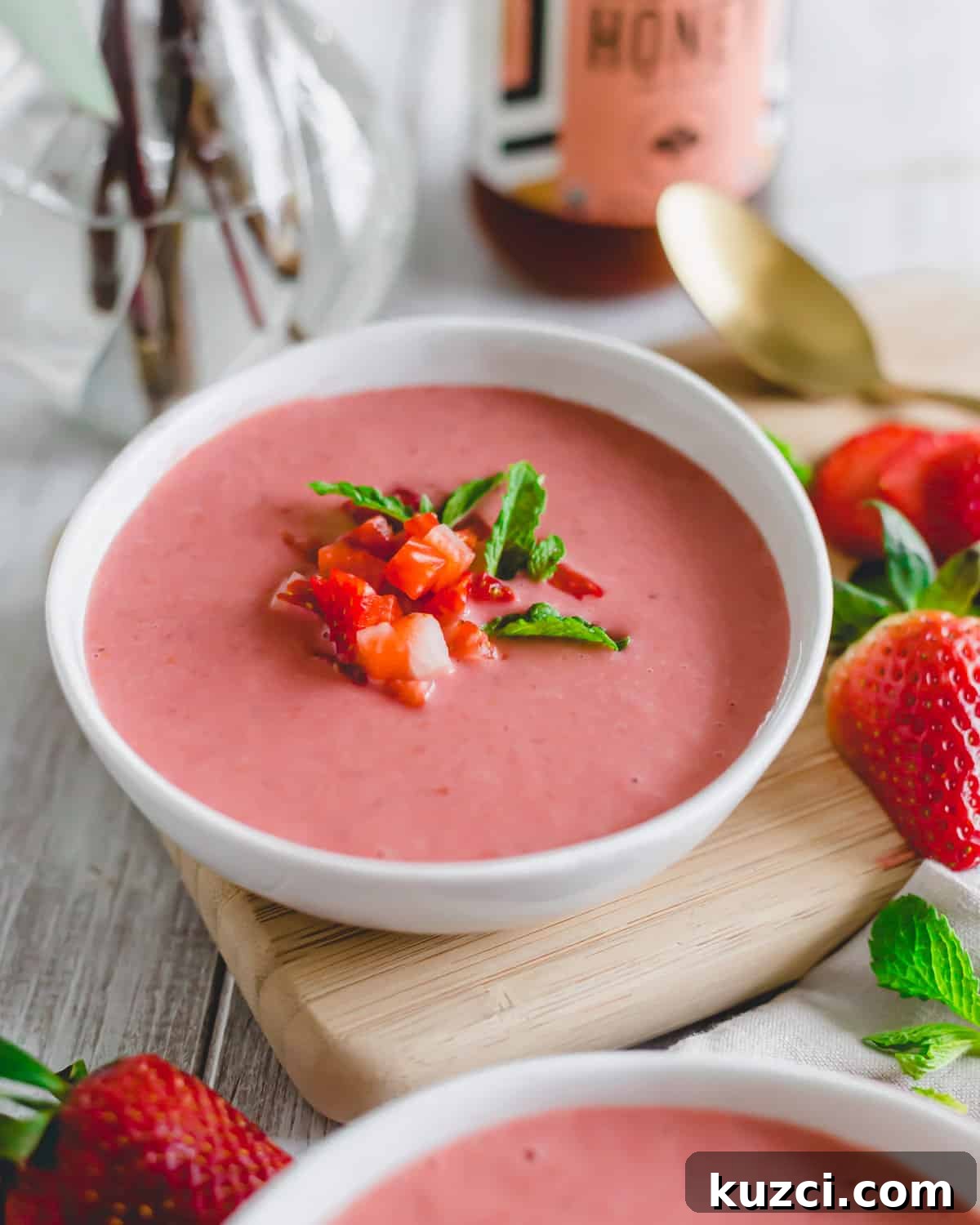
- Chilled strawberry soup — a refreshing starter or light dessert when served cold and slightly sweetened.
- Strawberry oatmeal — stir fresh berries into warm oats for real fruit flavor and a nutritious breakfast that beats instant packets.
With the right selection and storage, strawberries can be enjoyed fresh for days or preserved for months. Use these tips to pick the best berries, keep them fresh longer, and turn them into memorable meals and treats all season long.