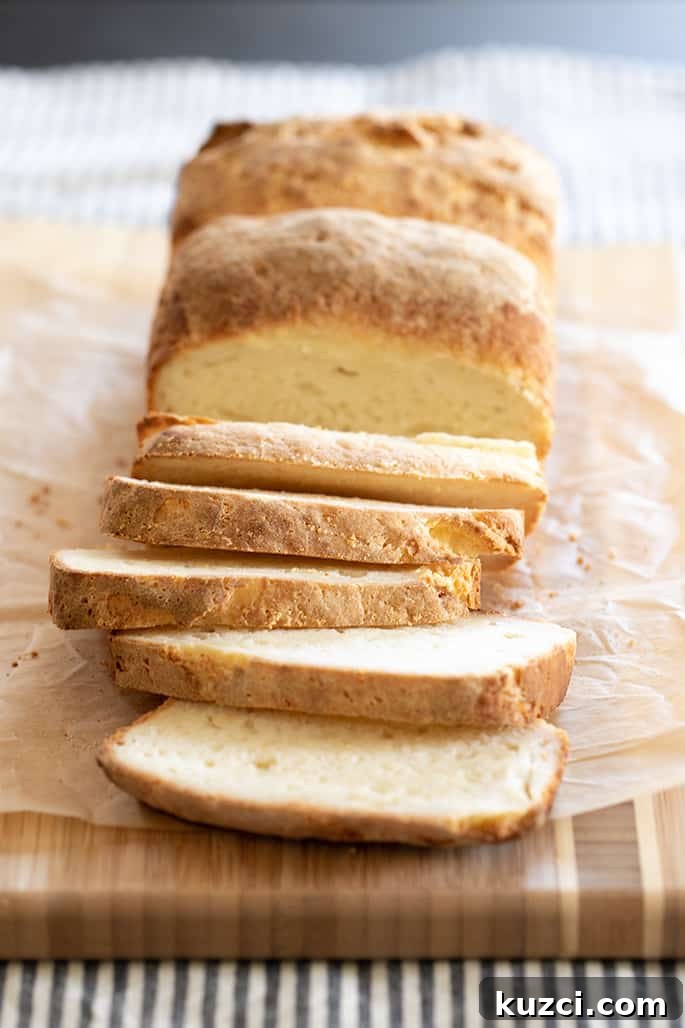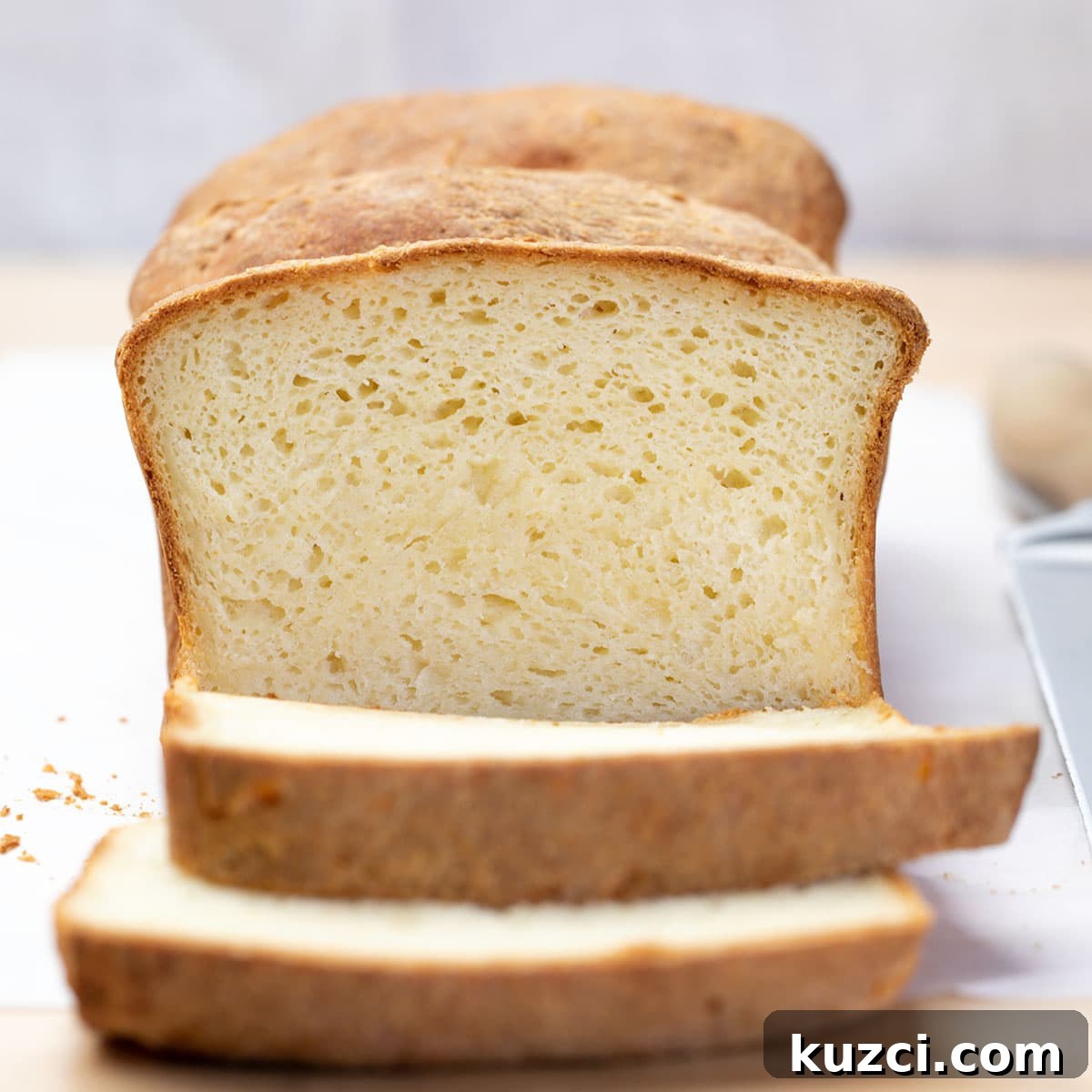
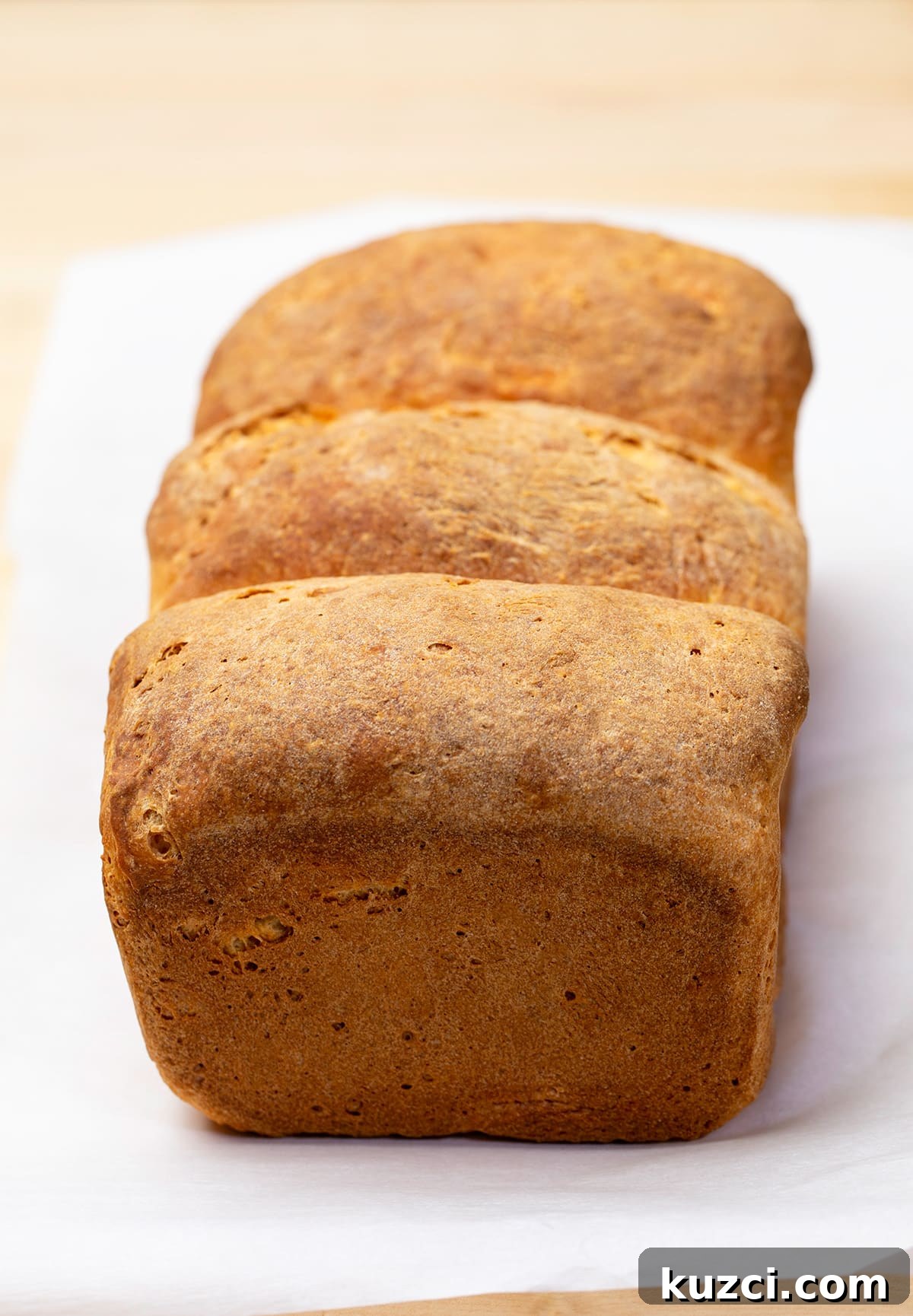
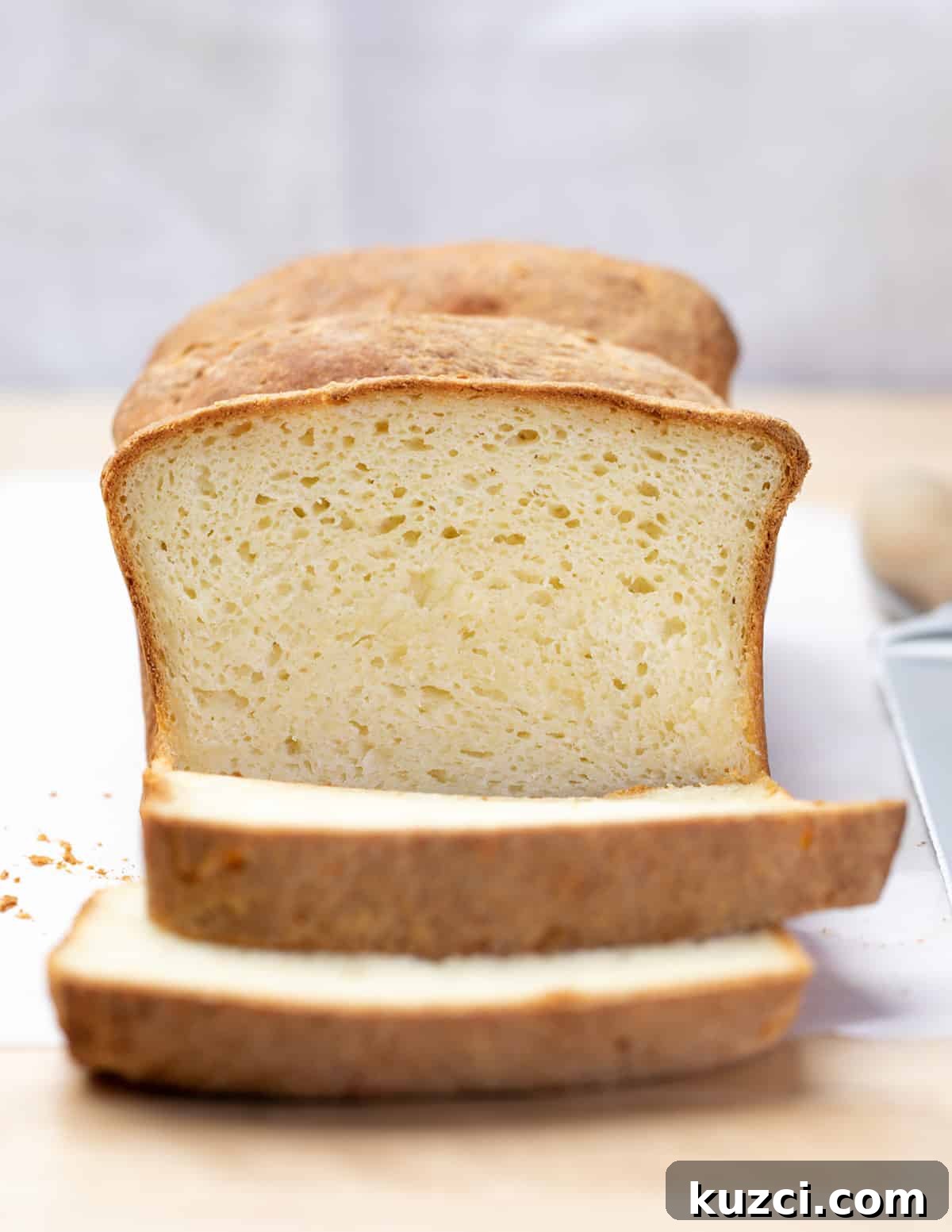
This easy gluten free Japanese milk bread produces an incredibly soft, tender loaf with a thin, slightly crisp yet chewy crust. Using a simple cooked mixture of gluten free flour and water (a water roux or tangzhong), this batter-style loaf stays moist and fresh longer than typical gluten free breads.
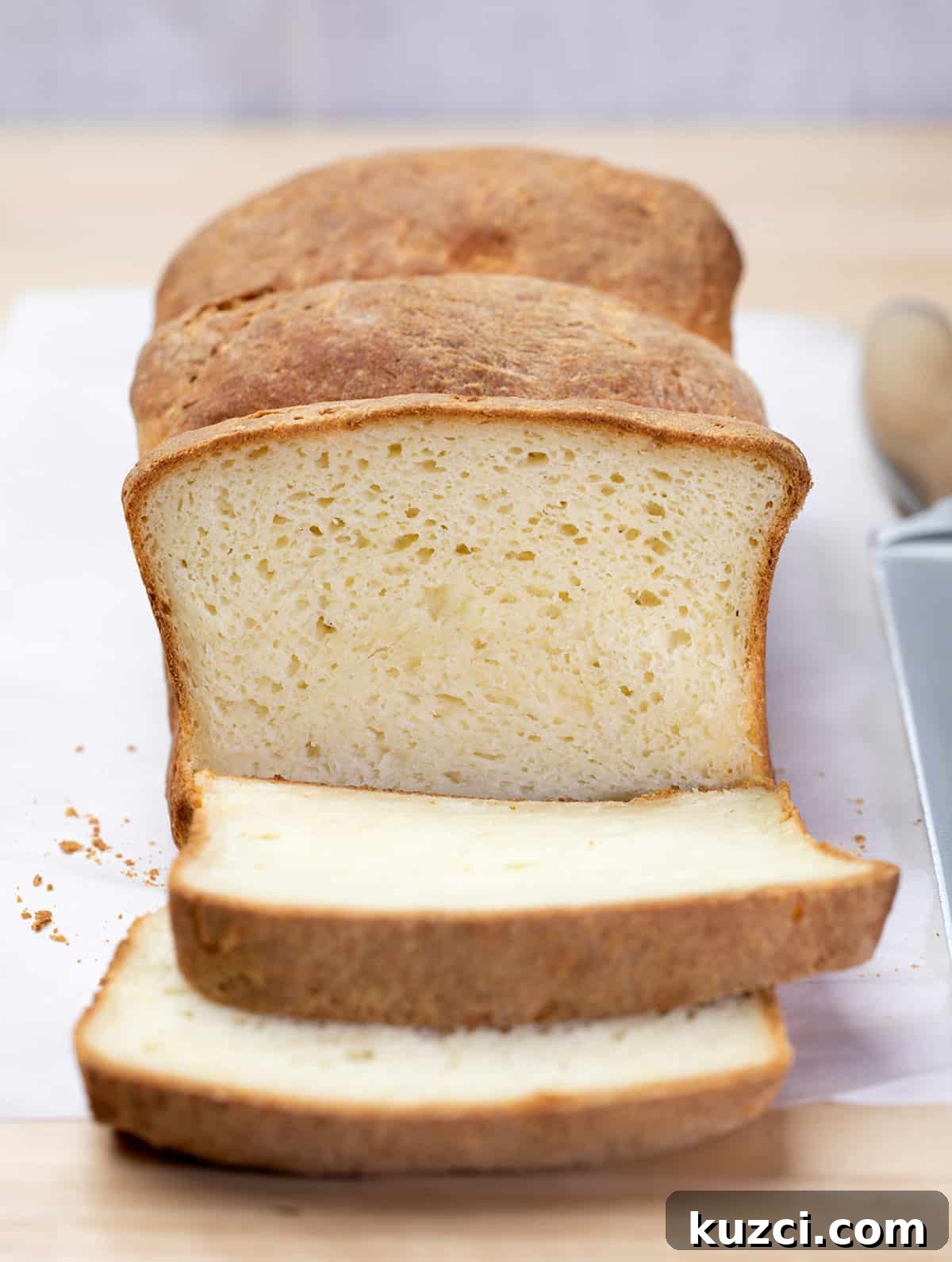
Picture slicing into a loaf that yields soft, pillowy crumb and a thin, flexible crust—perfect for sandwiches, toast, or just slathered with butter. This recipe uses a cooked gluten free flour-and-water roux to pre-gel starches, which helps trap moisture and give the bread its distinctive soft texture without becoming gummy.
Why this recipe works
This gluten free Japanese milk bread is a batter-style loaf, meaning the dough is wetter and more batter-like than traditional wheat dough. That texture, combined with a water roux, keeps the crumb soft and prevents the dryness and crumbliness common in many gluten free breads.
The water roux (also called tangzhong) is simply a small amount of gluten free flour cooked with water until it thickens. Cooking the starches creates a gel that locks moisture into the finished loaf, helping the bread stay tender for longer. The roux is quick to make and can be prepared ahead of time.
How to work with batter-style bread recipes
Batter-style gluten free bread is different from conventional yeast bread. The dough remains tacky and wet throughout shaping because gluten free flours absorb more liquid and do not stretch like wheat dough. That wet consistency is necessary for the yeast to perform and for the loaf to rise properly.
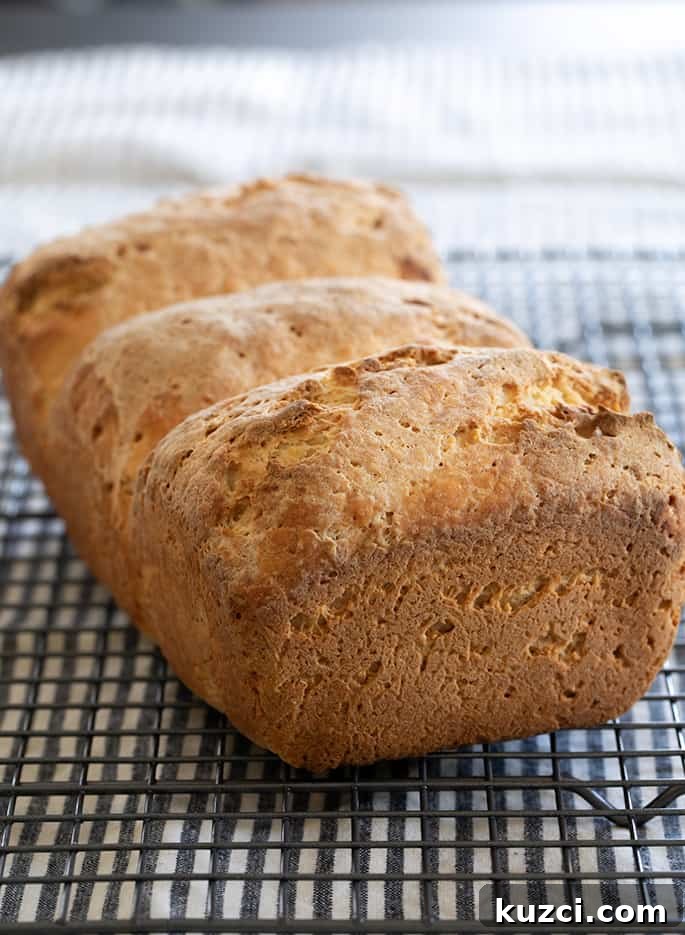
These recipes typically show a less smooth rise and may develop small pockmarks or a cratered surface—this is normal. Batter-style breads require fewer specialty ingredients than some modern gluten free formulas and are a good option when you want a straightforward recipe that still delivers excellent texture.
How to handle the raw dough
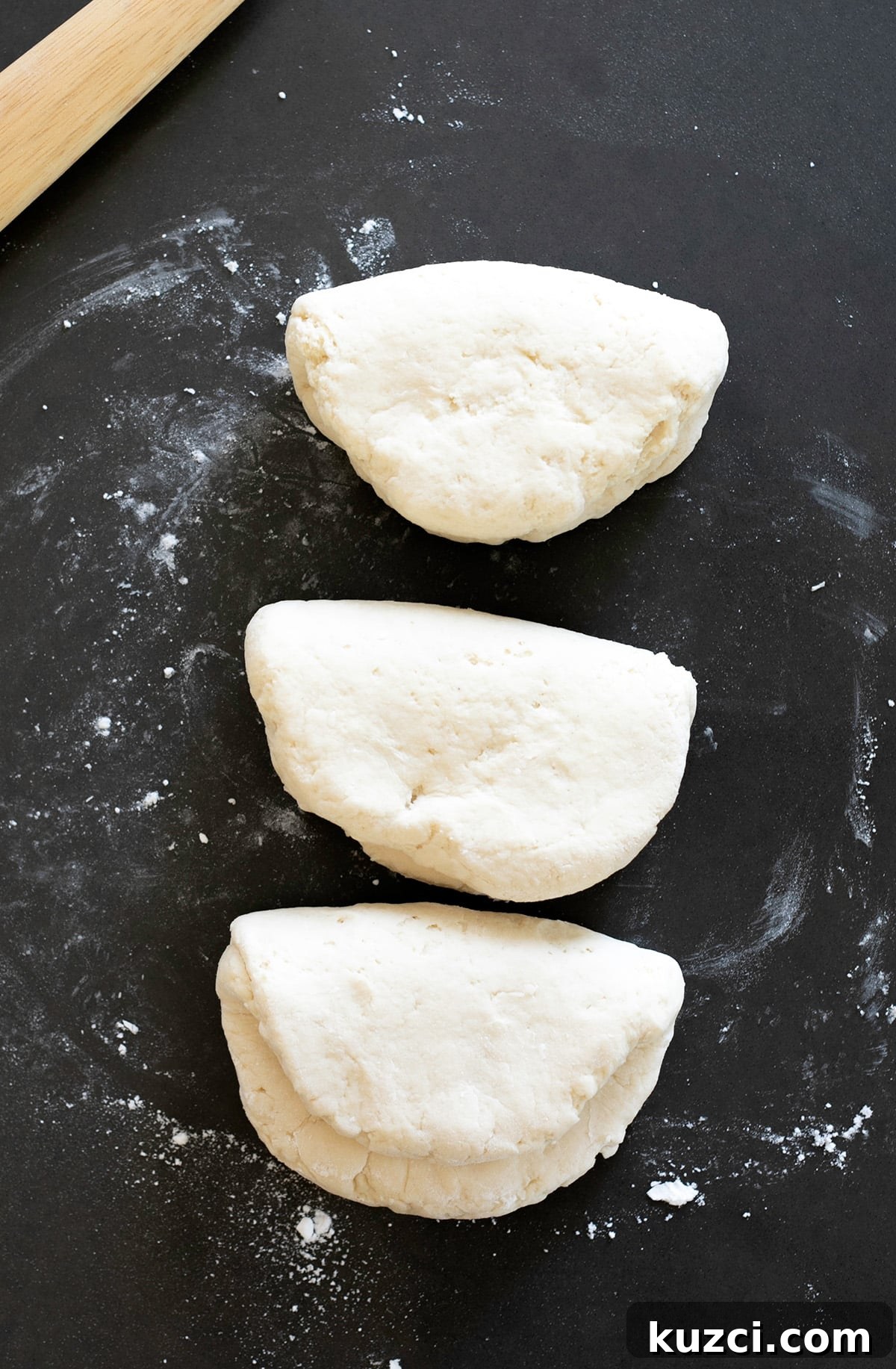
Expect the dough to be tacky and soft; keep your hands and work surface lightly floured and resist the urge to add a lot of extra flour. You can dust your fingers with a little flour when shaping, but use as little as possible so the dough remains moist. The dough won’t become perfectly smooth the way wheat bread can—embrace the slightly rustic look.
Avoid adding too much liquid, since an overly wet dough can lead to underbaked, gummy spots in the center. If the dough dries out during rising, the yeast will struggle and the loaf will not rise well, so keep it covered and in a warm, draft-free place while it proofs.
What is a water roux and how does it help the bread?
A water roux is a small amount of gluten free flour cooked with water until it thickens into a smooth paste. That cooked paste pre-gels the flour starches so they hold water more effectively in the finished loaf. The result is a moist crumb that stays tender for several days.
You can make the water roux ahead of time and refrigerate it in a sealed container. Bring it to room temperature before using it in the dough for best results.
Ingredient substitutions
Dairy free Japanese milk bread
Milk and butter can be swapped for dairy-free options. Use unsweetened almond milk or full-fat canned coconut milk (from the carton, not the canned solid) in place of cow’s milk. Replace butter with dairy-free buttery sticks (such as a plant-based block) for both the dough and brushing the finished loaf. Liquid fats like mild extra virgin olive oil may work in place of butter but were not tested in this version.
Egg free
If you prefer an egg-free loaf, try a chia or flax “egg” (1 tablespoon ground chia or flax + 3 tablespoons warm water, allow to gel) as a replacement. Because this is a batter-style yeast bread, an egg helps with rise and structure, so the loaf may be denser without it.
Yeast free
This is a yeasted bread and requires yeast. There is no direct substitute for baker’s yeast in this recipe. For a yeast-free gluten free sandwich bread, use a recipe specifically designed for that purpose.
Instant yeast
If you only have active dry yeast, increase the amount by about 25% and dissolve it in a small portion of the warm milk before adding it to the dough.
Gluten Free Japanese Milk Bread Recipe
Yield: 12 slices | Prep: about 20 minutes | Cook: 1 hour | Rising time: about 1 hour | Total time: ~2 hours 20 minutes
Author: Nicole Hunn
Summary: For the softest gluten free Japanese milk bread, begin with a simple cooked water roux of gluten free flour and water. The roux keeps the crumb tender and the loaf fresh longer.
Equipment
- Stand mixer fitted with the paddle attachment (recommended)
- 9″ x 5″ loaf pan, greased and lined
- Instant-read thermometer (helpful)
Ingredients
For the water roux
- 3 tablespoons (26 g) all-purpose gluten free flour blend (use a blend suitable for yeast breads)
- 1/2 cup (4 fl oz) water
For the bread dough
- 3 cups (420 g) all-purpose gluten free flour blend, plus more for light dusting
- 3 teaspoons xanthan gum (omit if your flour blend already contains it)
- 1/4 teaspoon cream of tartar
- 1/4 cup (50 g) granulated sugar
- 2 1/2 teaspoons (8 g) instant yeast (rapid-rise)
- 1/2 teaspoon kosher salt
- 1 teaspoon apple cider vinegar
- 1 large egg (about 50 g), at room temperature
- 1 1/4 cups (10 fl oz) warm milk (about 100°F / 38°C)
- 4 tablespoons (56 g) unsalted butter, melted and cooled
- Water roux, at room temperature
- Melted butter for brushing, optional
Instructions
First, make the water roux
- In a small saucepan whisk together the roux ingredients until smooth. Cook over medium-high heat, whisking constantly, until it thickens enough that the whisk leaves a visible trail.
- Remove from heat and let cool to warm room temperature. The roux can be made ahead and stored in a sealed container in the refrigerator; bring it to room temperature before using.
Make the bread dough
- Grease and line a standard 9″ x 5″ loaf pan and set aside.
- In the bowl of a stand mixer fitted with the paddle attachment, whisk together the flour, xanthan gum (if using), cream of tartar, sugar, and yeast. Add the salt and whisk briefly to combine.
- Add the vinegar, egg, warm milk, melted butter, and room-temperature water roux. Mix on low speed until the dry ingredients are incorporated, then increase to high and mix for about 3 minutes. The dough should be shaggy and tacky.
- Turn the dough out onto a very lightly floured surface and divide into three equal portions (about 350 g each). Work with one portion at a time.
- Pat the first portion into a flat disk about 3/4″ thick, fold it loosely in half from one short end to the other, and repeat with the remaining pieces.
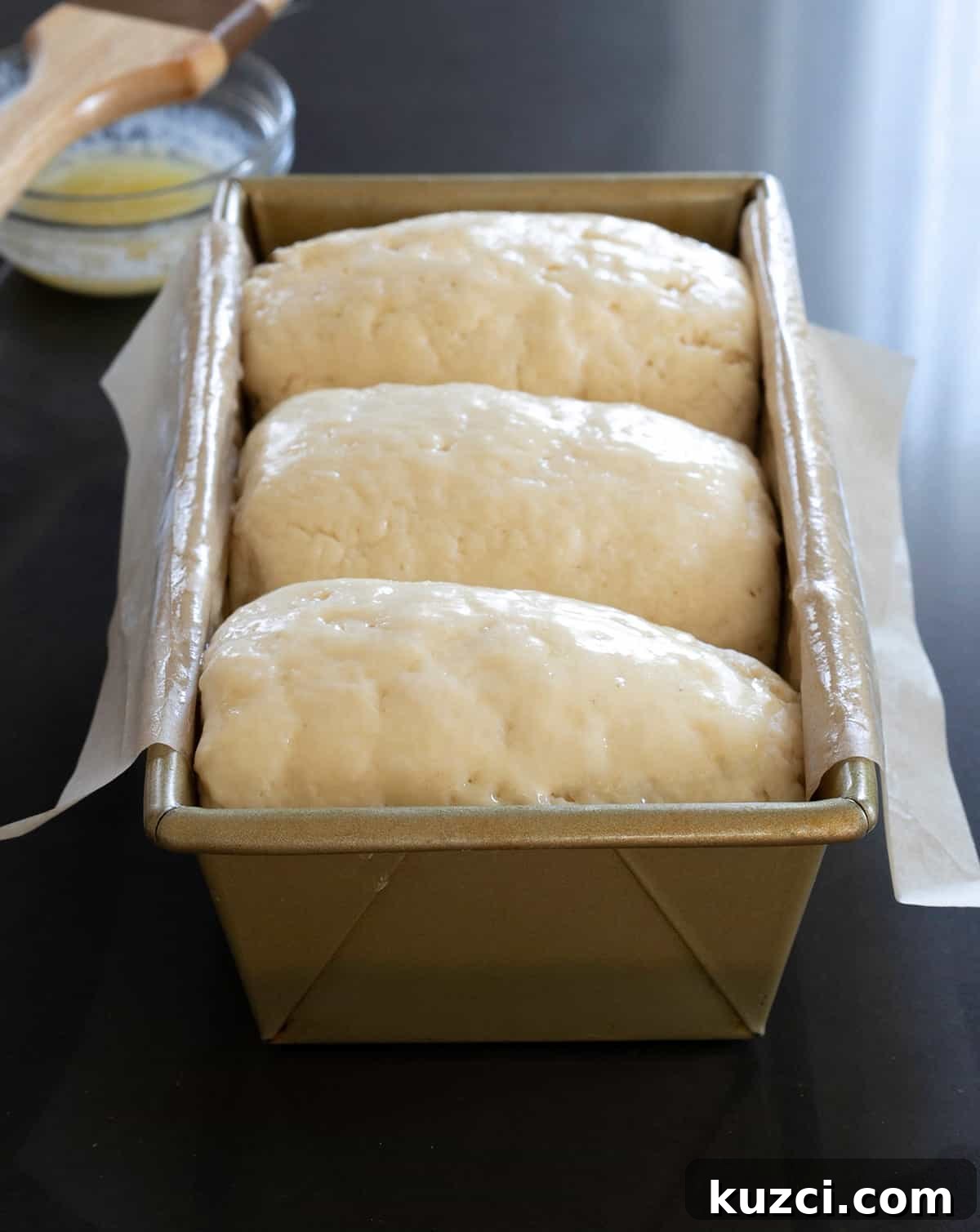
- Stack the folded pieces in the prepared pan with the rounded (folded) side facing up. The pieces should fit snugly from end to end; the dough will rise up rather than out.
- Spray or mist the dough lightly with warm water and cover loosely with plastic wrap. Place in a warm, draft-free spot to rise until about 150% of its original volume.
- While the dough rises, preheat the oven to 350°F (175°C).
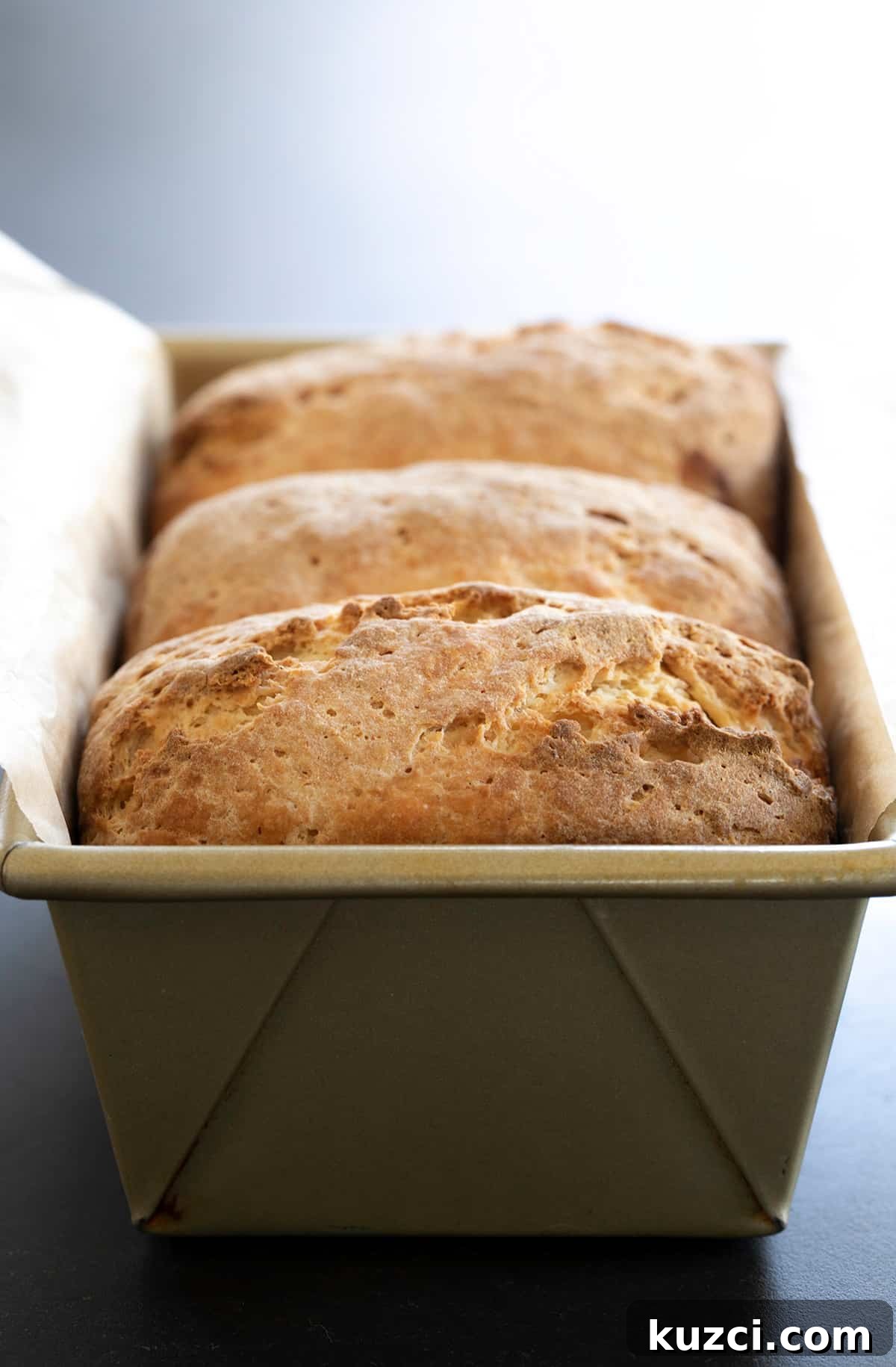
- When the dough has risen, remove the plastic wrap, brush lightly with optional melted butter, and bake in the center of the preheated oven for 45 minutes.
- Remove the loaf from the pan and transfer it to a rimmed baking sheet. Return the loaf to the oven and continue baking until the loaf sounds hollow when tapped and an instant-read thermometer reads about 190°F (88°C) in the center, and the crust is lightly golden (about 10 more minutes).
- Transfer the loaf to a wire rack and cool completely before slicing.
Nutrition
Approximate per slice (12 slices per loaf): 214 kcal, 36 g carbohydrates, 4 g protein, 5 g fat, 3 g fiber. Nutrition values are estimates and should be used as a guideline only.