We’ve all stared at a blank, uninspiring notebook and felt unmotivated to open it. Whether you plan to use it for work notes, school, junk journaling, or capturing memories, a plain cover can make the whole process feel bland. Customizing your notebook doesn’t have to be complicated — it can be a simple, enjoyable project that turns a functional item into a source of inspiration.
Personalizing a notebook is more than aesthetics. A well-designed cover and thoughtfully decorated pages encourage you to write, sketch, or plan more often. A customized notebook can boost creativity, increase productivity, and reflect your personality. Below are ten practical, creative techniques that work for all skill levels, with tips so you can get started today.
Choose a few ideas that suit your style and the notebook’s purpose, and combine them as you like. Ready to transform that blank book into something you love? Here are tried-and-true techniques to make your notebook both beautiful and useful.
Using Washi Tape
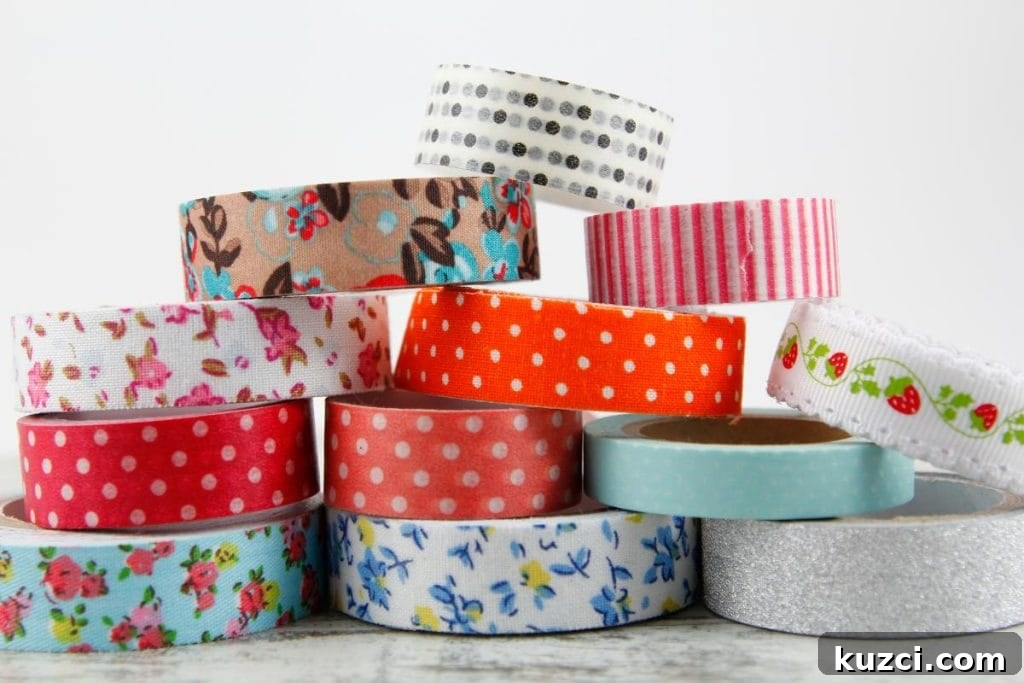
Washi tape is one of the quickest ways to decorate a notebook. It comes in countless patterns and colors and works well for borders, spine accents, or page tabs. Layer different tapes to create contrast or use strips to form geometric shapes. Because washi is removable, it’s great for experimenting without damaging the cover.
Adding Watercolor Backgrounds
Watercolor washes add soft color and atmosphere to pages and covers. Use light washes for subtle backgrounds or richer pigments for a bold look. Try wet-on-wet techniques, splattering, or sprinkling salt to create texture. To avoid warping, either insert watercolor paper or prime pages with gesso before painting.
Creating a Collage Cover
Collages let you tell a story with images and found materials. Cut photos, magazine clippings, postcards, or personal prints and arrange them around a theme—travel, fashion, plants, or memories. Seal your collage with a clear adhesive like Mod Podge for durability and a unified finish.
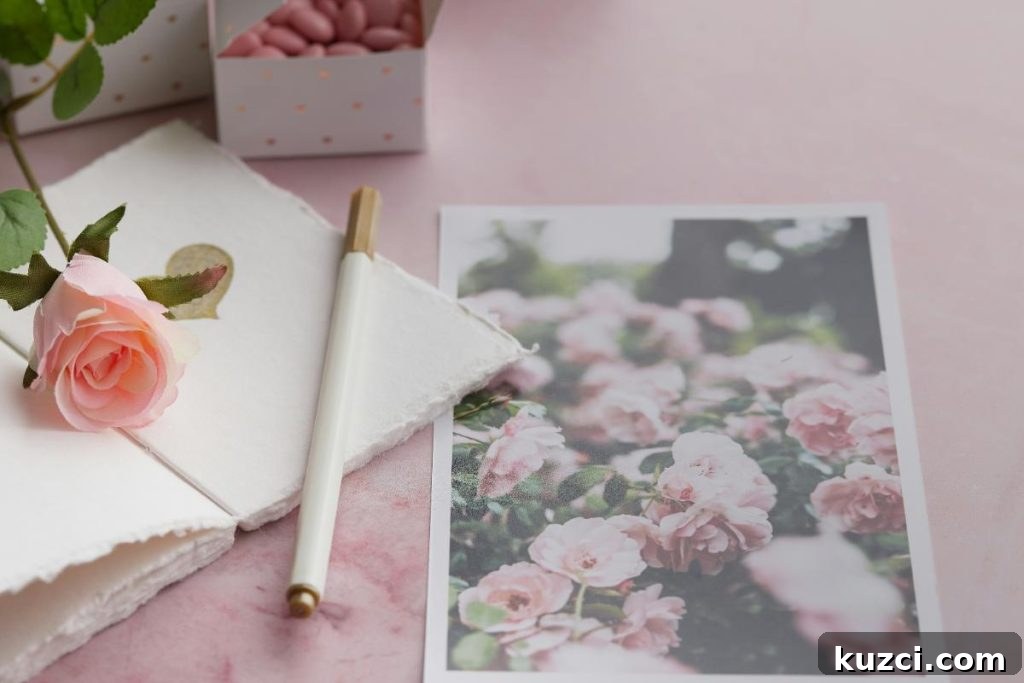
Decorated stationery makes mailed notes feel personal. If you enjoy letter writing, consider designing matching envelopes or stationery that complements your notebook’s aesthetic. Handmade mail is a meaningful way to share creativity offline.
Embroidering Your Cover
Embroidery adds texture and a handcrafted look. Beginners can start with simple stitches like running stitch or backstitch to create stars, hearts, or initials. For thicker covers, pre-punch holes with an awl or thick needle to make stitching easier. More advanced stitchers can create intricate patterns or small embroidered patches to glue onto the cover.
Custom Notebooks
If you want a polished, professional result, consider ordering a custom-printed notebook. Many print services let you upload artwork, photos, or layouts to produce a high-quality cover and interior pages. This option is ideal if you want multiple copies or a very specific design without crafting each copy by hand.
Decorating with Calligraphy
Hand lettering and calligraphy add elegance to covers and page headers. Start with faux calligraphy to mimic the thick-and-thin strokes using any pen, then progress to brush pens or dip pens if you enjoy the craft. Use calligraphy for titles, quotes, or section dividers to give pages a polished, intentional look.
Incorporating Natural Elements
Pressed flowers, leaves, and small natural objects bring a tactile, organic feel to your notebook. Press blooms between heavy books until they’re dry, then attach them with archival tape or glue. For three-dimensional accents, glue small pebbles, shells, or bark onto the cover—seal or reinforce them to prevent damage with use.
Experimenting with Mixed Media
Combine paints, markers, pencils, stamps, and prints for layered, textured pages. Start with a painted or inked background, add stamped patterns or paper ephemera, and finish with hand-drawn details. Mixed media encourages experimentation and gives pages visual depth.
Adding Fabric and Texture
Covering a notebook with fabric creates a soft, tactile exterior. Choose fabric that reflects your style—cotton for casual, velvet for luxe, denim for durability. Use strong craft glue, fold and secure the edges neatly, and add trim like ribbon, lace, or buttons to enhance the look.
Creating Geometric Designs
Geometric patterns produce a modern, eye-catching result. Use a ruler and compass or masking tape to create clean shapes and lines. Fill sections with color blocking, patterned markers, or metallic pens for shine. Precision yields striking designs, but imperfect lines can also add charm.
Tips for Success:
- Test materials on a scrap or hidden area first to avoid unwanted reactions with the notebook surface.
- Match the design to the notebook’s purpose—keep work notebooks more subdued and personal journals more playful.
- Mix techniques thoughtfully. Try embroidery over watercolor or washi tape combined with hand lettering for a layered look.
- Embrace imperfections. Small irregularities make handmade work feel personal and authentic.
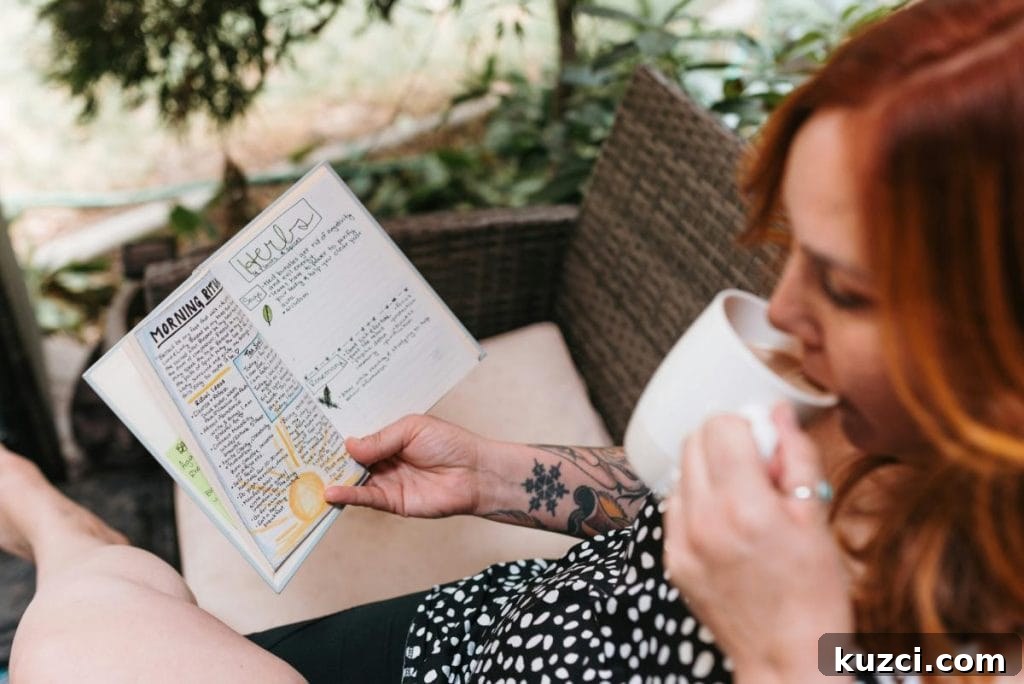
Your notebook can be a source of daily inspiration when it reflects your style and creativity. Use these ideas as starting points and adapt them to your taste. Whether you decorate a cover, paint page backgrounds, or order a custom-printed book, the goal is the same: make your notebook something you want to open and use.
Grab a few supplies, try a couple of techniques, and enjoy the process of turning a blank notebook into a personalized, functional piece of art.