Fueling for a Long Run During Marathon Training
Fueling for a long run is an important part of marathon training. It does not have to be complicated, but it does take a little planning before you head out the door. Having the right food, fluids, and mid-run nutrition ready can make the difference between finishing strong and struggling through the final miles. More importantly, good fueling helps keep long runs safer, especially when the distance climbs and the weather is warm.
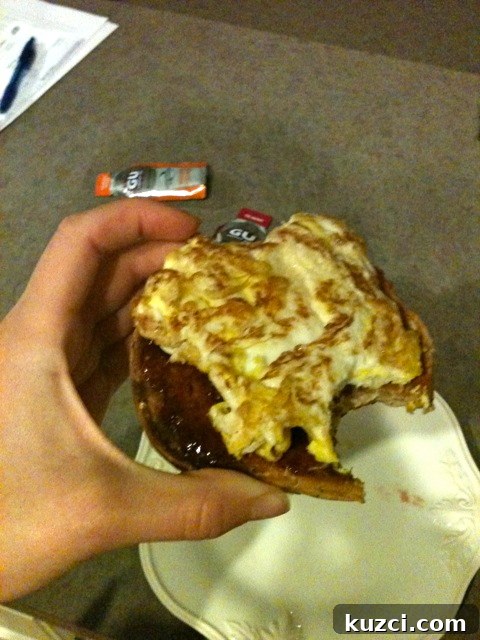
This week’s marathon training plan called for 18 miles, so Eric and I got up early to beat as much of the heat as possible. Before leaving, we kept breakfast simple and familiar: water and half of a bagel topped with a fried egg. Bagels with peanut butter used to be my go-to meal before a race or training run, but lately peanut butter has not been sitting well before early morning runs. Sometimes training is about adjusting, listening to your body, and finding what works in the moment. For this run, the egg was the better choice.
Once breakfast was done, we packed a mini cooler with three waters and two Gatorades, then headed to shady Winter Park to get the miles in. Having fluids waiting for us along the route made the run feel more manageable and helped us stay on top of hydration instead of waiting until we were already thirsty or depleted.
We planned our hydration stops at miles 4, 10, and 15. At mile 4, I decided to carry Gatorade with me for the next section of the run. I could feel a noticeable difference in my energy levels compared with previous runs, and it reminded me how helpful it can be to have fuel available before you really need it. Because of that, a handheld water bottle may be my next running purchase. Being able to sip while running, rather than waiting for planned stops, would make long-run fueling more consistent.
Eric sweats a lot, and after this run he had lost about 3 to 4 pounds. He focused on rehydrating with about 64 ounces of fluids afterward, using the general guideline of replacing fluids based on weight lost during the run. For long-distance runners, especially during marathon training, paying attention to sweat loss can be just as important as tracking pace or mileage. Hydration is not only about water during the run; recovery fluids afterward matter too.
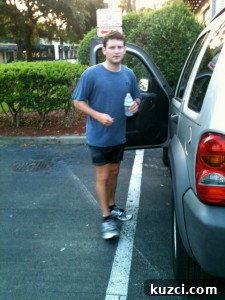
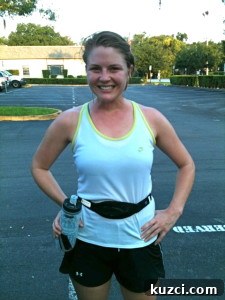
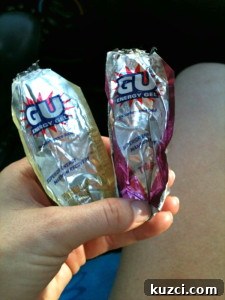
For mid-run nutrition, I took gels at miles 7 and 12. That timing worked well for me and helped keep my energy steady through the middle miles. Eric took three gels, but since he does not eat them very often, he was cautious about taking too much too soon and possibly upsetting his stomach. He used them at miles 10, 14, and 16. Afterward, he mentioned that he probably should have started taking in nutrition a little earlier.
That is one of the biggest lessons of marathon training: long runs are practice. They are not just about building endurance; they are also the time to test breakfast, hydration, sports drinks, gels, timing, and recovery meals. What works for one runner may not work for another, and even what worked last season may not work this season. It really is trial and error, and each long run teaches you something useful for race day.
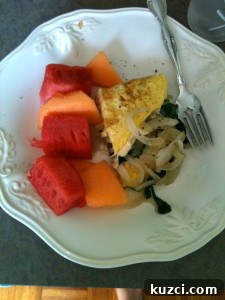
After the run, it was time to refuel. We made a delicious egg omelet stuffed with onions, spinach, basil, and Muenster cheese, per Eric’s request. Fresh cold melon on the side made it even better. While the omelet was cooking, we also tag-teamed some cold leftover fried rice, which tasted surprisingly perfect after 18 miles.
A good post-run meal does not need to be fancy, but it should help the body recover. After a long run, a mix of protein, carbohydrates, fluids, and something satisfying can make a huge difference. The omelet gave us protein, the fried rice added carbs, and the melon was cold, refreshing, and exactly what we wanted after a warm morning of marathon training.
Next up was a shower, an iced latte, church, and then home to celebrate Eric’s dad’s birthday. It was a full morning, but a good one. Eighteen miles is never easy, yet with a little preparation, smart long-run fueling, and a willingness to learn as we go, it felt like another solid step toward marathon day. Enjoy this beautiful day.