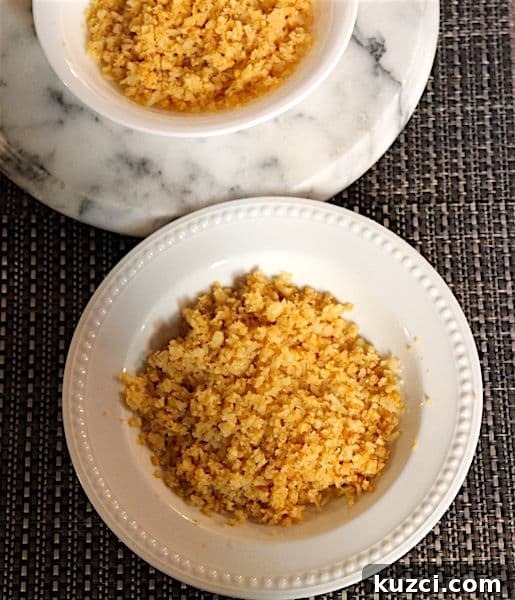
Does the idea of turning a whole head of cauliflower into cauliflower rice feel like more effort than it is worth? You are not alone. The first time I tried making cauliflower rice from scratch, my kitchen looked like cauliflower confetti had exploded everywhere. Since then, I have found a much faster, cleaner, and easier method that gives you light, fluffy cauliflower rice without the mess. This easy cauliflower rice recipe is paleo, keto, low carb, gluten-free, vegan, and pegan-friendly. It uses only a small handful of simple ingredients and makes a versatile base for curries, stir-fries, stews, chili, and quick weeknight meals.
How to Make the Best Cauliflower Rice
Traditional cauliflower rice usually starts with a fresh head of cauliflower. You remove the leaves, cut the head into florets, and then chop, grate, or pulse it into rice-sized pieces. It works, but it can also be messy and time-consuming. Tiny cauliflower pieces tend to scatter across the cutting board, counter, floor, and every corner of the kitchen.
Steaming the cauliflower before chopping can reduce some of the mess, but it still adds extra prep time. For a busy weeknight, that is not always practical. The easiest solution is to skip the fresh cauliflower and start with frozen cauliflower florets instead. They are already washed, trimmed, and cut into manageable pieces, which makes the whole process much quicker.
How to Make Cauliflower Rice with Frozen Cauliflower
Frozen cauliflower florets are a simple shortcut for homemade cauliflower rice. In many grocery stores, frozen cauliflower costs about the same as fresh cauliflower, and it often goes on sale. Because the prep work is already done, frozen florets save time, reduce waste, and keep your kitchen cleaner.
To make cauliflower rice from frozen cauliflower, you first need to soften the florets. You can do this on the stovetop or in the microwave. Both methods are quick, and either one will work well for this recipe.
1) Steaming Frozen Cauliflower on the Stovetop
Place a steamer basket inside a pot and add enough water so that the water sits below the basket. Bring the water to a boil, then add the frozen cauliflower florets to the basket. Cover the pot with a tight-fitting lid and steam for about 2 minutes, or until the cauliflower is softened but not mushy.
A metal, silicone, or bamboo steamer basket is a good choice. Once the cauliflower is tender, carefully remove it from the pot and let any excess moisture drain away before ricing it.
2) Microwaving Frozen Cauliflower
Microwaving is the fastest option and requires very little cleanup. Place the frozen cauliflower florets in a large microwave-safe bowl and add 1 tablespoon of water. Cover the bowl with a microwave-safe plate to help the cauliflower steam evenly. Microwave on high for about 2 minutes, depending on the amount of cauliflower you are using and the strength of your microwave.
Use oven mitts when removing the bowl and plate, as both can become very hot. If the florets are still firm, microwave for another 30 seconds and check again.
The Easiest Way to Make Cauliflower Rice
Once the frozen cauliflower has softened, it is time to turn it into small rice-like pieces. There are a few ways to do this, but some methods are much easier than others.
- Grater
- A box grater can be used to make cauliflower rice, but it is not the cleanest method. Even with softened cauliflower, small pieces can fly across the counter. If your goal is quick and easy cauliflower rice, this is not the best option.
- Ricer
- A potato ricer can also work. If you have used one for mashed or riced potatoes, the process is similar. Add the softened cauliflower and squeeze. The texture can be nice, but it takes more effort and is better for smaller batches.
- Food processor
- The food processor is the fastest and easiest method. Fit the processor with the S-blade, add the softened cauliflower florets, and pulse a few times until the cauliflower looks like rice. Avoid over-processing, or the texture can become too fine.
- This is the best option for larger batches, family dinners, or meal prep. You can rice several bags of frozen cauliflower at once and keep it ready for different meals during the week.
- Although you do have to wash the food processor, it still saves time overall and creates far less mess than grating cauliflower by hand.
After the cauliflower has a rice-like texture, season it with herbs, spices, salt, and pepper. It can be served as a simple low-carb side dish or used as a base for saucy recipes. Cauliflower rice pairs well with stir-fries, curry chicken, turkey chili, miso-style fish dishes, vegetable curries, tofu, and lentil-based meals.
How to Make Cauliflower Fried Rice
If you want extra flavor, turn your steamed cauliflower rice into cauliflower fried rice. This quick step gives the cauliflower a slightly golden texture and helps bring out the flavor of the spices.
Heat avocado oil in a large frying pan over medium-high heat. Add the cauliflower rice and spread it into a thin, even layer. A thinner layer helps create more lightly crisped edges. Season with garlic powder, paprika, turmeric, freshly ground pepper, and a pinch of sea salt. Cook for about 2 minutes, stirring occasionally so the cauliflower does not burn.
This method is especially good when you want a warm, savory base for curry, stir-fry, stew, or roasted vegetables. You can keep the seasoning simple or adjust it to match the meal you are serving.
7 Reasons Why I Love Frozen Vegetables
- You can stock up when they are on sale.
- Frozen vegetables are convenient because you do not have to use them right away. When they are discounted, you can buy a few bags and keep them in the freezer for easy meals later.
- They are helpful on busy weeknights.
- When the fridge is nearly empty or you have not had time to shop, frozen vegetables make it easier to put together a quick meal. They are one of the simplest ingredients to keep on hand.
- They are nutritious.
- Frozen vegetables are typically frozen soon after harvesting, which helps preserve many of their nutrients. They are a practical way to add more vegetables to your meals.
- They are convenient.
- Most frozen vegetables are already washed and chopped. You can add them to pasta sauce, soups, stir-fries, casseroles, or steam them as a simple side dish.
- They last longer than fresh vegetables.
- Frozen vegetables do not last forever, but they keep much longer than fresh produce. That makes them useful when you are not sure when you will have time to cook.
- They help reduce food waste.
- If fresh vegetables often spoil before you can use them, frozen vegetables can help. You can cook only the amount you need and leave the rest in the freezer for another meal.
- They can save money.
- Buying frozen vegetables on sale and using only what you need can help reduce waste and stretch your grocery budget.
Dietitian tip: choose plain frozen vegetables whenever possible. Avoid varieties that come with sauces, heavy seasonings, added salt, sugar, or extra fat. Plain vegetables let you control the flavor and keep the recipe balanced.
Cauliflower Rice Recipe – Paleo, Keto, Low-Carb, Gluten-Free, Vegan and Pegan!
This quick cauliflower rice recipe is simple, flexible, and ideal for meal prep. Use it as a low-carb rice substitute, a vegetable side dish, or a flavorful base for your favorite meals.
Cauliflower Rice Recipe – Paleo, Keto, Low-Carb, Gluten-Free, Vegan and Pegan!
4
5 mins
4 mins
9 mins
Ingredients
- 1 bag frozen cauliflower florets 1.5 pound bag (750g) or 3 cups cauliflower florets
- 1 tbsp paprika
- 1 tbsp turmeric
- 1/2 tbsp garlic powder
- 1/8 tsp freshly ground pepper
- 1 pinch sea salt
- 1/2 tbsp avocado oil Optional. Light olive oil also works. If you are not vegan, ghee can be used.
Instructions
Stovetop steaming:
-
Place a steamer basket in a pot and add a couple of inches of water, keeping the water below the basket. Bring to a boil, add the frozen cauliflower, cover, and steam for about 2 minutes, or until softened.
Microwave steaming:
-
Place the cauliflower florets in a large microwave-safe bowl. Add 1 tablespoon of water and cover with a microwave-safe plate. Microwave on high for at least 2 minutes, or until softened. Use oven mitts when removing the bowl and plate.
Ricing the cauliflower:
-
Fit a food processor with the S-blade. Add the softened cauliflower florets and pulse a few times until the texture resembles rice.
-
Transfer the cauliflower rice back to the pot or bowl. Stir in the paprika, turmeric, garlic powder, pepper, and sea salt. Serve as is, or continue with the fried cauliflower rice step.
Fried cauliflower rice:
-
Heat the avocado oil in a large frying pan over medium-high heat. Add the cauliflower rice and spices if they have not already been mixed in. Stir, then spread the rice into a thin layer. Sauté for about 2 minutes, or until lightly golden and slightly crisp in spots.