
Omega-3 fatty acids are an important part of a healthy diet for babies, children, teens, and adults. They support growth, brain development, vision, and many everyday body functions. The challenge is that many families do not get enough omega-3s from food, especially when fish, nuts, and seeds are not eaten regularly.
This post contains affiliate links. As an Amazon affiliate, I earn from qualifying purchases at no cost to you.
So What Is Omega-3?
Omega-3 is a type of essential fatty acid. “Essential” means the body cannot make enough of it on its own, so we need to get it through food or supplements. Fatty acids are building blocks of fat, and while many people think of fat as something to avoid, healthy fats are necessary for the body to work well.
Omega-3 fatty acids help form cell membranes, support the brain and nervous system, and play a role in how the body responds to signals such as hormones. In children, omega-3s are especially important because the brain and body are growing quickly.
3 Main Types of Omega-3 Fatty Acids
There are three main omega-3 fatty acids: alpha-linolenic acid, eicosapentaenoic acid, and docosahexaenoic acid. They are usually written as ALA, EPA, and DHA.
You do not need to memorize those names, but it is helpful to understand that different foods contain different types of omega-3s. ALA is mostly found in plant foods, while EPA and DHA are found mainly in fish and seafood. Some fortified foods and supplements also contain DHA or EPA.
Why Do We Need Omega-3 Fatty Acids?
Omega-3 fatty acids support many important processes in the body. They are especially valuable during pregnancy, breastfeeding, infancy, and early childhood, when the brain and nervous system are developing rapidly. They also remain important throughout adolescence and adulthood.
Getting enough omega-3s may support healthy brain function, eye development, cell health, and overall growth. While no single nutrient can do everything, omega-3s are one of the nutrients worth paying attention to in a child’s diet.
Best Omega-3s for Kids
Omega-3 in Infancy and Childhood
Omega-3s are important even before birth. DHA is one of the building blocks involved in fetal brain development. Research has also linked omega-3s with fetal retinal development, pregnancy length, and perinatal mood support.

After birth, omega-3s continue to support central nervous system development. The first two years of life are a key period for brain growth, so adequate omega-3 intake is especially important during infancy and toddlerhood.
Omega-3 in Adolescence and Adulthood
The benefits of omega-3 fatty acids do not stop after early childhood. As kids grow into teens and adults, these fats continue to support normal body function.
Some studies have shown that increasing certain essential fatty acids, alone or with other nutrients, may support health, body composition, and mental and physical performance.
Omega-3s also play functional roles in metabolism, cell health, tissue function, and hormonal responsiveness.
Some research suggests omega-3s may help support focus and short-term memory. Omega-3s have also been studied in relation to ADHD in children, teens, and adults.
Because omega-3s are not always easy to get from a typical diet, it is worth knowing which foods provide them and when a supplement may be useful.
How Much Omega-3 Does a Baby Need?
DHA is naturally found in breast milk. It is also added to many infant formulas, although the amount can vary by brand and country.
DHA is always found in breast milk and is recommended for addition to commercial infant formula. These fatty acids are considered safe and help support growth, vision, and neurological development.
Many baby formulas are fortified with DHA to help meet the needs of babies who are formula-fed. In the European Union, infant formula must contain at least 20 mg of DHA per 100 kcal. This rule does not apply to formulas sold in the United States, where DHA is not required, although many brands include it.

One analysis found that the average DHA content of formula purchased was 12.6 mg per 100 kcal, which is below the European minimum of 20 mg per 100 kcal.
The World Health Organization recommends that omega-3s make up 0.32% of fatty acids in formula, a level similar to the average amount found in breast milk.
If you are using formula, look for a DHA-fortified option when possible. Some formulas sold in the United States do meet higher DHA levels, and there are several options available from common brands, including Enfamil, Kendamil, and Bobbie.
Which is better: European formulas or American formulas?
If you are breastfeeding, your own DHA intake matters because DHA in breast milk reflects maternal intake. A DHA-rich diet or supplement can help support breast milk DHA levels.
How Much Omega-3 Does a Child Need?
There is not one single recommendation that every organization uses for each type of omega-3. If you want detailed numbers, this chart compares recommendations from several global organizations.
The Food and Agriculture Organization of the United Nations provides the following suggested amounts for DHA and EPA:
6-24 months: DHA: 10-12 milligrams per kilogram of body weight
2-4 years: EPA + DHA: 100-150 milligrams
4-6 years: EPA + DHA: 150-200 milligrams
6-10 years: EPA + DHA: 200-250 milligrams
For ALA, the recommended daily intakes are:
1-3 years: 0.7 grams of ALA, or 700 mg
4-8 years: 0.9 grams of ALA, or 900 mg
9-13 years: 1 gram of ALA for girls and 1.2 grams for boys
14-18 years: 1.1 grams of ALA for girls and 1.6 grams for boys
You do not need to calculate every milligram of omega-3 in your child’s meals.
The practical goal is to offer omega-3-rich foods regularly. If your child eats a variety of these foods, they are more likely to get a mix of ALA, EPA, and DHA.
- 1 cup of DHA-fortified milk, such as Horizon milk, has about 32 mg DHA
- 3.5 oz of salmon has about 2,150 mg of EPA and DHA combined
- 1 tablespoon of ground flaxseeds has about 2,000 mg of ALA
- 1 tablespoon of flaxseed oil has about 7,000 mg of ALA
- 1 tablespoon of chia seeds has about 2,500 mg of ALA
If your child does not currently eat these foods, there are simple ways to add them without completely changing their diet.
Also see this post on the best vitamins for kids.
Listen to the podcast: how to know if your child needs a multivitamin
How Much Omega-3 Does a Pregnant Person Need?
Consensus guidelines recommend that pregnant women consume at least 200 mg of DHA per day to support pregnancy outcomes and fetal health.
Omega-3s can come from food or supplements. During pregnancy, DHA is especially important because it supports fetal brain and eye development.
One simple step is to choose a prenatal vitamin that includes DHA. Many prenatal vitamins now contain DHA, but it is not guaranteed, so check the label for both the presence and amount of DHA.
Prenatals with DHA
Some prenatal products include DHA along with vitamins and minerals, while others are separate DHA supplements that can be taken in addition to a prenatal. If your current prenatal does not contain DHA, consider asking your healthcare provider whether an add-on DHA supplement is appropriate.
You can find several prenatal and DHA supplement options on this Amazon list.
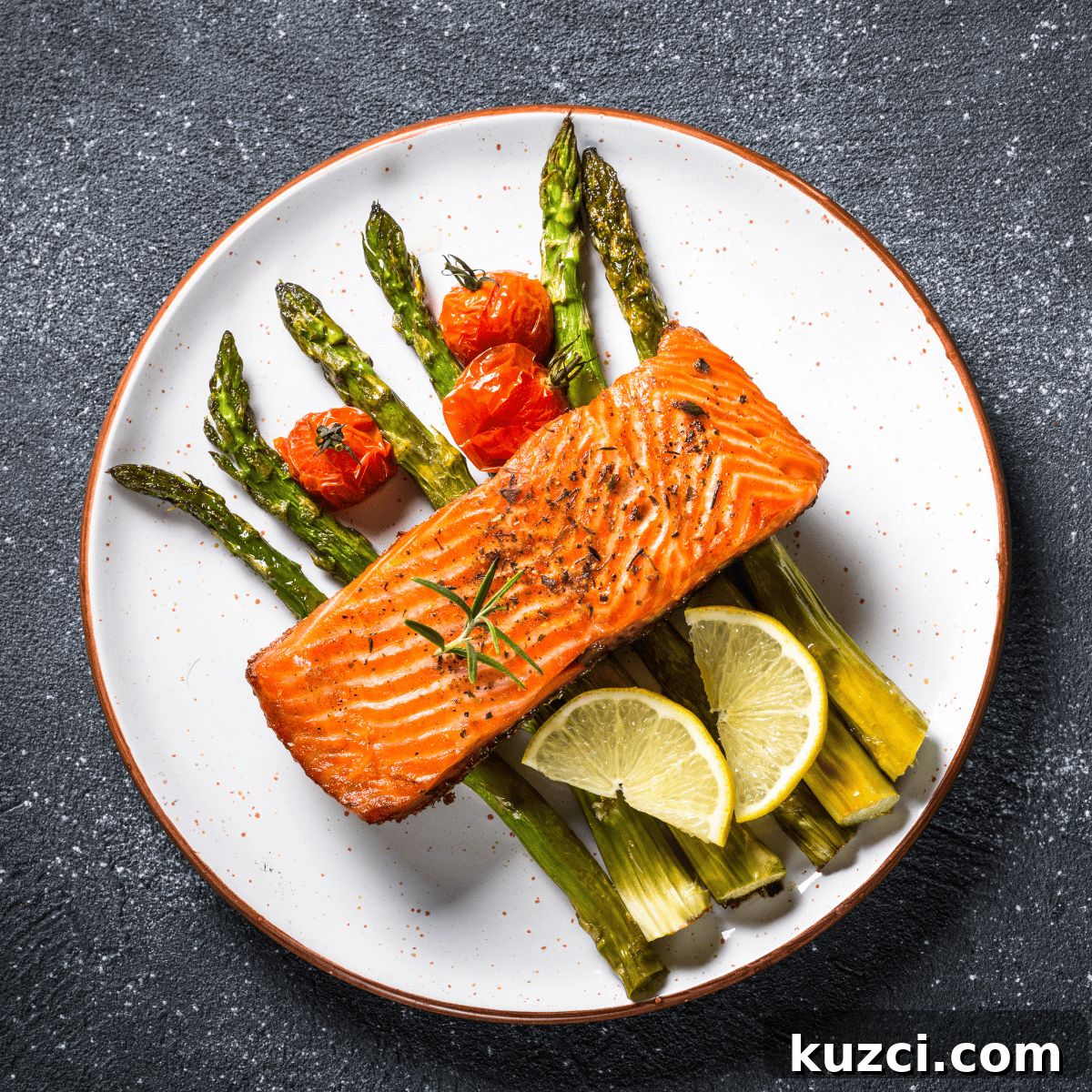
Food sources matter too. Fish is one of the best natural sources of DHA and EPA, and it also provides protein, vitamins, and minerals. During pregnancy, however, it is important to choose fish that are lower in mercury.
Low-mercury options include salmon, tilapia, and trout. High-mercury fish, such as swordfish and some types of tuna, should be avoided during pregnancy.
A goal of 1-3 servings of low-mercury fish per week can help pregnant women meet omega-3 needs. Safe Catch is one brand that monitors mercury levels in its products.
How Much Omega-3 Does a Breastfeeding Person Need?
Current dietary recommendations for nursing mothers are 250 to 375 mg daily of DHA plus EPA.
This recommendation is higher than for the general population because DHA is an important part of breast milk. If a breastfeeding parent is low in DHA, breast milk may also be lower in DHA.
Because the first 24 months are such an important time for brain development, breastfeeding parents should pay attention to DHA intake. This can come from low-mercury fish, DHA-containing prenatal vitamins, or a separate DHA supplement. Find recommended products here.
Where Are Omega-3s Found?
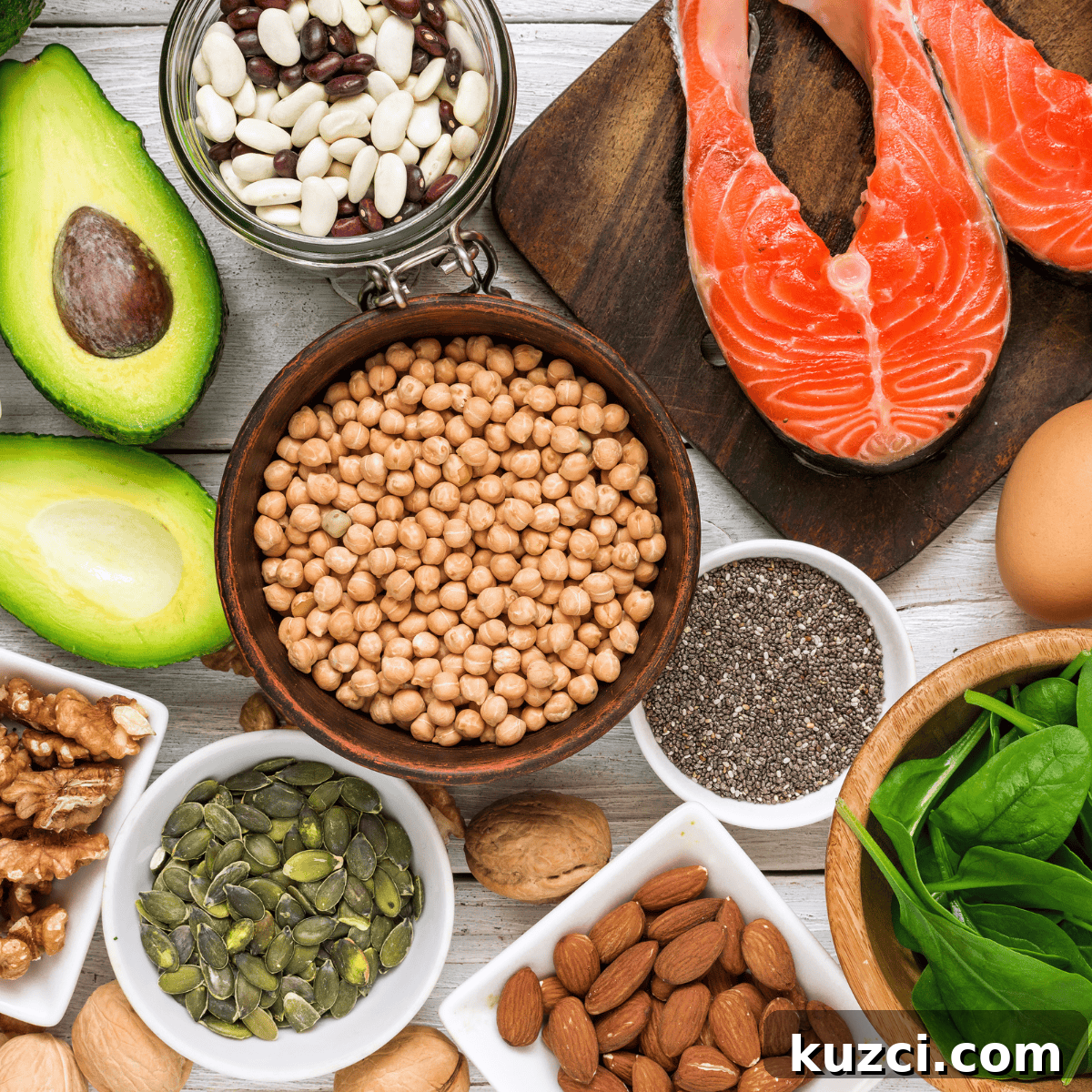
Omega-3 fatty acids are found in both foods and supplements. A food-first approach is ideal when possible because whole foods provide more than one nutrient. For example, salmon provides omega-3s along with protein and other nutrients, while chia seeds provide omega-3s, fiber, and plant-based protein.
Supplements can still be helpful, especially for children who do not eat fish, nuts, seeds, or omega-3-fortified foods. But the first step is usually to add more omega-3 foods into meals and snacks.
ALA is found mostly in plant oils such as flaxseed oil, soybean oil, and canola oil. DHA and EPA are found primarily in fish, especially cold-water fish such as salmon, tuna, mackerel, and herring.
Other helpful sources include walnuts, walnut butter, eggs, fortified milk, flaxseeds, and chia seeds. Some of these may sound like a stretch for picky eaters, but there are kid-friendly ways to include them.
Omega-3s in Kids’ Diets

Here are some practical omega-3 foods for kids and simple ways to serve them.
- Eggs. Serve them scrambled, hard-boiled, in fried rice, baked into muffins, mixed into pancakes, or stirred into oatmeal. Eggs are familiar for many kids and can be used in many meals. Here is a post about eggs for toddlers. I also like buying eggs from Happy Egg.
- Walnuts or walnut butter. Walnut butter can be spread on toast, stirred into oatmeal, or served with fruit. You can buy walnut butter, such as this brand, or make your own in a food processor. For younger children, finely ground walnuts can be mixed into meals and stored in the freezer to stay fresh longer.
- DHA-fortified milk. Some brands, including Horizon and Organic Valley, sell milk with added DHA and EPA. This can be an easy option for kids who do not like fish or fish oil.
- Cook with plant oils. Canola oil and soybean oil contain omega-3s and can be used for everyday cooking.
- Try canned salmon salad. This canned salmon salad can be served in a sandwich, wrap, or with crackers. Canned salmon often has a milder flavor than tuna, so it may be worth trying even if your child does not like tuna.

How to Give Your Kids Flaxseeds
Flaxseeds are one of the easiest plant-based omega-3 foods to add to a child’s diet. They should be ground so the body can digest them properly. Finely milled flaxseed works best for picky eaters because the texture is less noticeable.
This finely milled option is a favorite. The same brand also offers a brain booster product with vegan DHA added to the seed blend.
How to serve ground flaxseed:
- Add 1 to 2 teaspoons to a favorite smoothie. You can find favorite kids’ smoothie cups here.
- Stir 1 teaspoon into oatmeal.
- Sprinkle it into a peanut butter and jelly sandwich.
This post has more ways to add flaxseed to foods and includes recipes that use flax.
You can also mix ground flaxseed into muffin batter, pancake batter, and no-bake energy bites. Because flaxseed is rich in ALA, even small amounts can help. A realistic goal is to add it to one meal or snack per day when possible.

How to Give Your Kids Chia Seeds
Chia seeds are another good source of omega-3s, fiber, and protein. They have more texture than finely ground flaxseed, so some picky eaters may notice them. If your child is comfortable with texture, chia seeds can be a helpful addition.
You can blend chia seeds into smoothies, including this healthy chocolate smoothie. They can also be sprinkled on oatmeal, added to yogurt parfaits, or used in homemade popsicles with Greek yogurt and fruit.
Chia seed pudding is another option. It has a texture similar to tapioca pudding and can be made with your preferred milk, sweetener, and flavorings.
If your child does not like the texture, use pre-ground chia seeds instead. These are the ones I use, and they can be added to foods in the same way as ground flaxseed.

What Is the Best Omega-3 Supplement for Kids?
A food-first approach is ideal, but supplements can be useful when a child is not getting enough omega-3 from meals and snacks. Omega-3s are especially important for children under age 2, so it is worth discussing supplementation with your pediatrician if your child does not eat omega-3-rich foods.
A supplement may be helpful if your child does not eat fish, does not eat nuts or seeds regularly, and does not consume omega-3-fortified foods such as DHA-fortified milk.
The best omega-3 supplement I have tried is this strawberry-flavored option from Nordic Naturals. The flavor is easier to work with than many fish oil products, and it can be mixed into a smoothie or juice.
Some omega-3 supplements have a strong fishy smell or taste, even when flavored, so it may take a little trial and error to find one your child accepts.
Bottom Line on Best Omega-3s
Omega-3 fatty acids are important for children’s growth, brain development, vision, and overall health. They matter during pregnancy, breastfeeding, infancy, childhood, adolescence, and adulthood.
The best omega-3 foods for kids include salmon, eggs, walnuts, walnut butter, flaxseeds, chia seeds, DHA-fortified milk, and certain plant oils. If your child does not eat many of these foods, start small by adding ground flaxseed to oatmeal, blending chia into smoothies, serving eggs more often, or trying a mild canned salmon salad.
If food sources are limited, an omega-3 supplement can help fill the gap. The goal is not perfection. The goal is to regularly include omega-3-rich foods in simple, kid-friendly ways that fit your family’s routine.