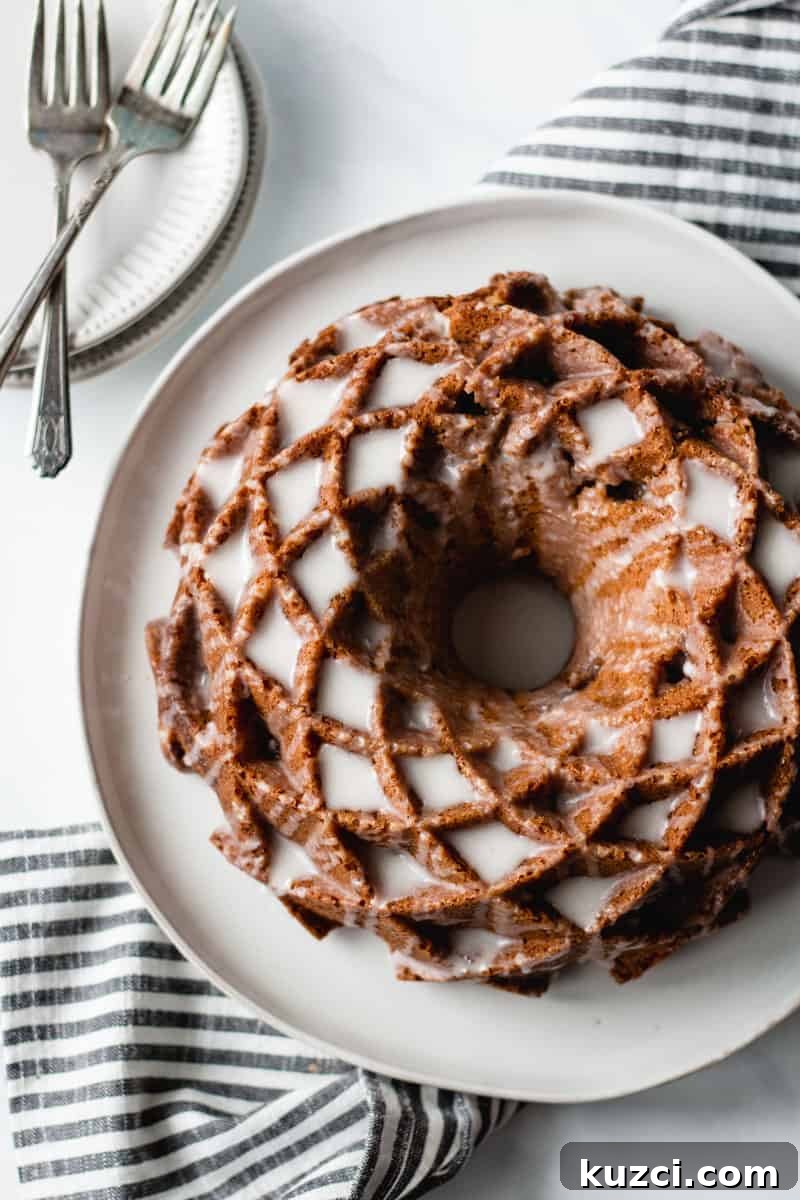
It’s been one year since I was officially diagnosed with celiac disease and began living gluten-free. This anniversary feels like a milestone — a mixture of relief, grief, and new resolve. Below I reflect on the past year and share the recipe that gave me hope when everything felt uncertain.
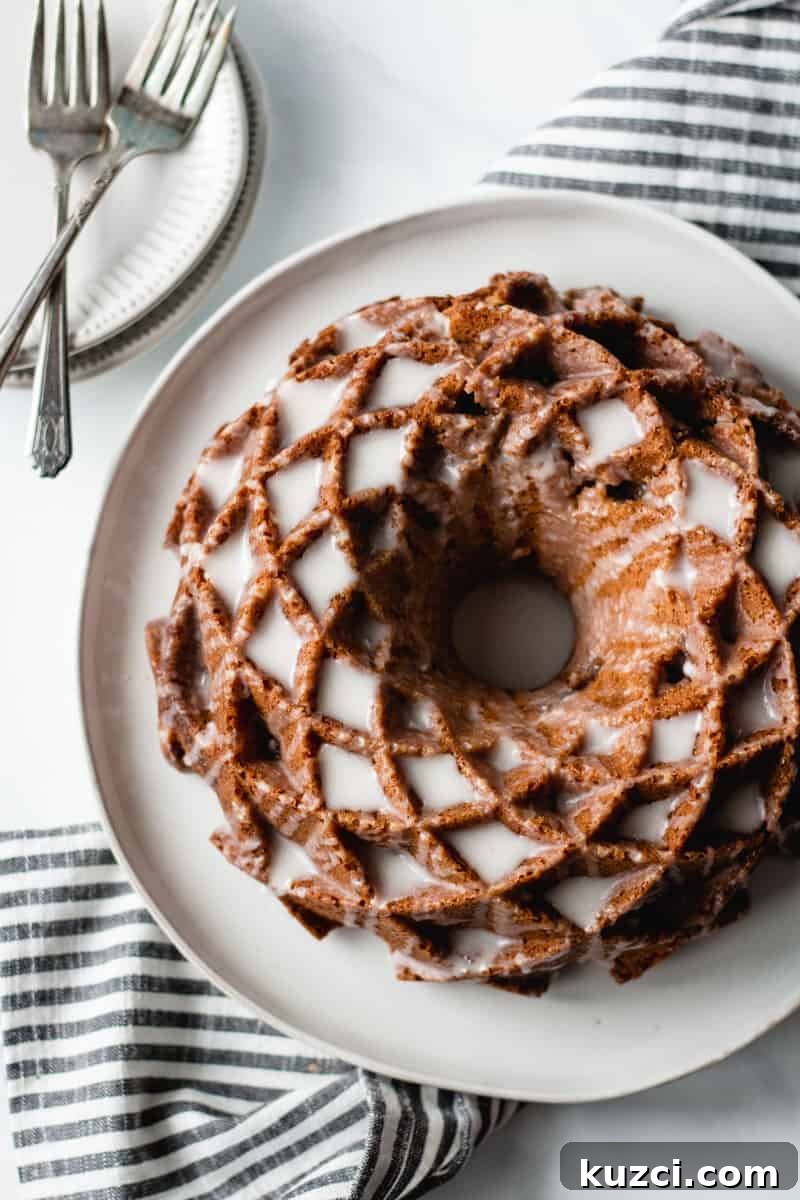
One year. One year of managing celiac disease, of learning how to read labels, control cross-contact, and rebuild health. I call it my gluten antiversary. In many ways this year was easier than I expected, and in other ways it was more difficult than I ever imagined.
The Easy Part
Accepting the gluten-free diet was surprisingly straightforward for me. The diagnosis was clear, and that clarity made the decision to change immediate and uncompromising. I never felt a strong craving for gluten products after I stopped. In fact, the thought of eating anything with gluten now feels wrong — as if touching it were unhygienic. For people who struggle with the urge to cheat, I have a lot of empathy; my situation has been different. For me, gluten feels like poison ivy: avoid it entirely and the irritation goes away.
The Hard Parts
Social situations have been the hardest adjustment. I find myself anxious about food at gatherings and cautious to the point of skipping things I might have enjoyed. Even when I suspect a dish is safe, uncertainty about preparation or cross-contact can make me choose not to eat. That means I often bring my own food or make detailed plans in advance.
Dining out has become rare. I am an introvert by nature and I dislike making a fuss. The idea of explaining restrictions to restaurant staff and still worrying about safe handling often steers me away from going out. Eating at home is simpler, safer, and less stressful. I know this inclination isolates me at times, and it’s an area I want to improve — I don’t want to live forever inside a bubble.
One unexpected side effect of this year has been recurring nightmares about eating gluten. In those dreams I find myself eating things I don’t want to eat and wake up unsettled. It’s strange and persistent — a reminder that changing your diet after a major diagnosis can alter your subconscious as well as your daily routine.
A Year of Healing
Physically, this year has been healing. I feel stronger and healthier than I did a year ago. The improvements make it easier to say no to foods that would undo progress. One bad reaction is a stark reminder that healing takes time and consistency.
At the same time, testing revealed that my body suffered more than I realized — a bone density scan showed osteoporosis or low bone mass. That diagnosis was a wake-up call about the toll celiac disease can take when it goes undiagnosed. It made me wonder what other damage might have occurred and how long I could have gone on without care. Those questions are sobering, but they also underscore how important a timely diagnosis and proper management are.
I’m grateful I was diagnosed and that I now have direction. I’m thankful for a doctor who understands celiac disease, for my husband who supports me unconditionally, for family that helps with appointments and listens, and for my children who excitedly ask whether what I’m eating is gluten-free. Those small acts of care have made this year of transition much more bearable.
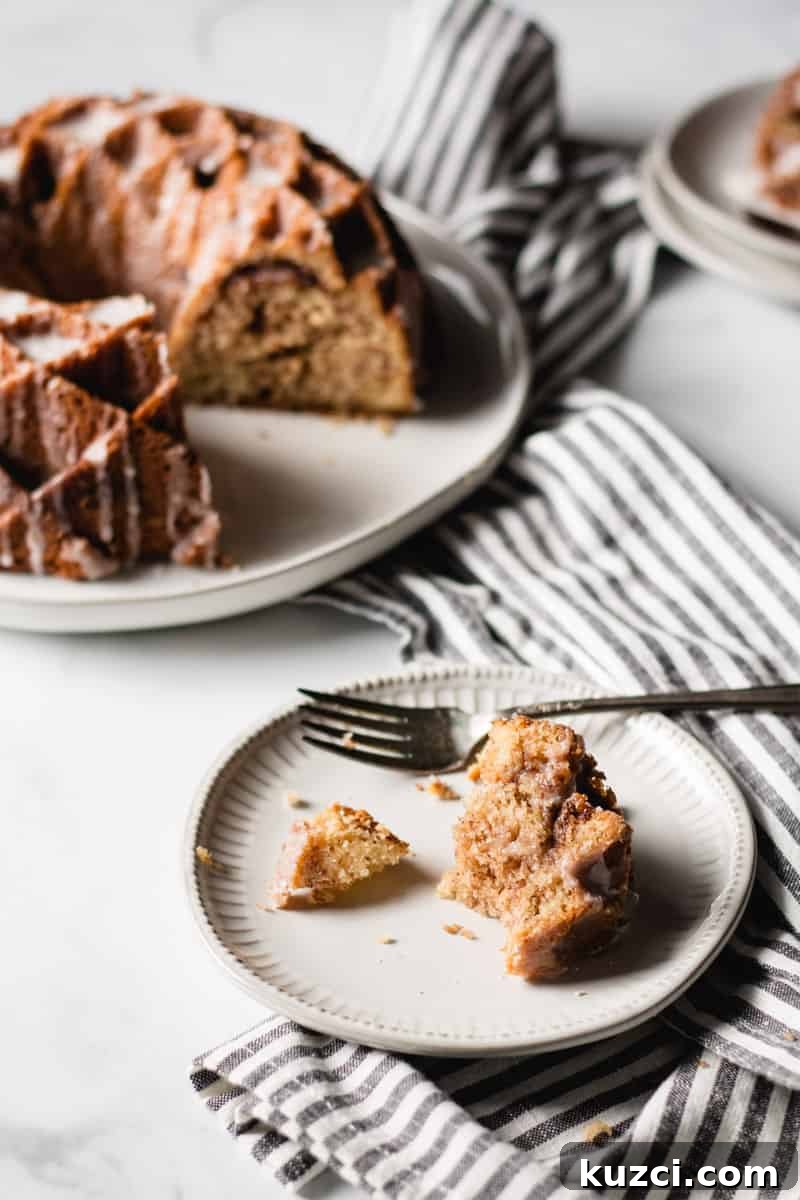
Recipe: Pamela’s Sour Cream Coffee Cake

Pamela’s Sour Cream Coffee Cake
Author: Katie Olesen
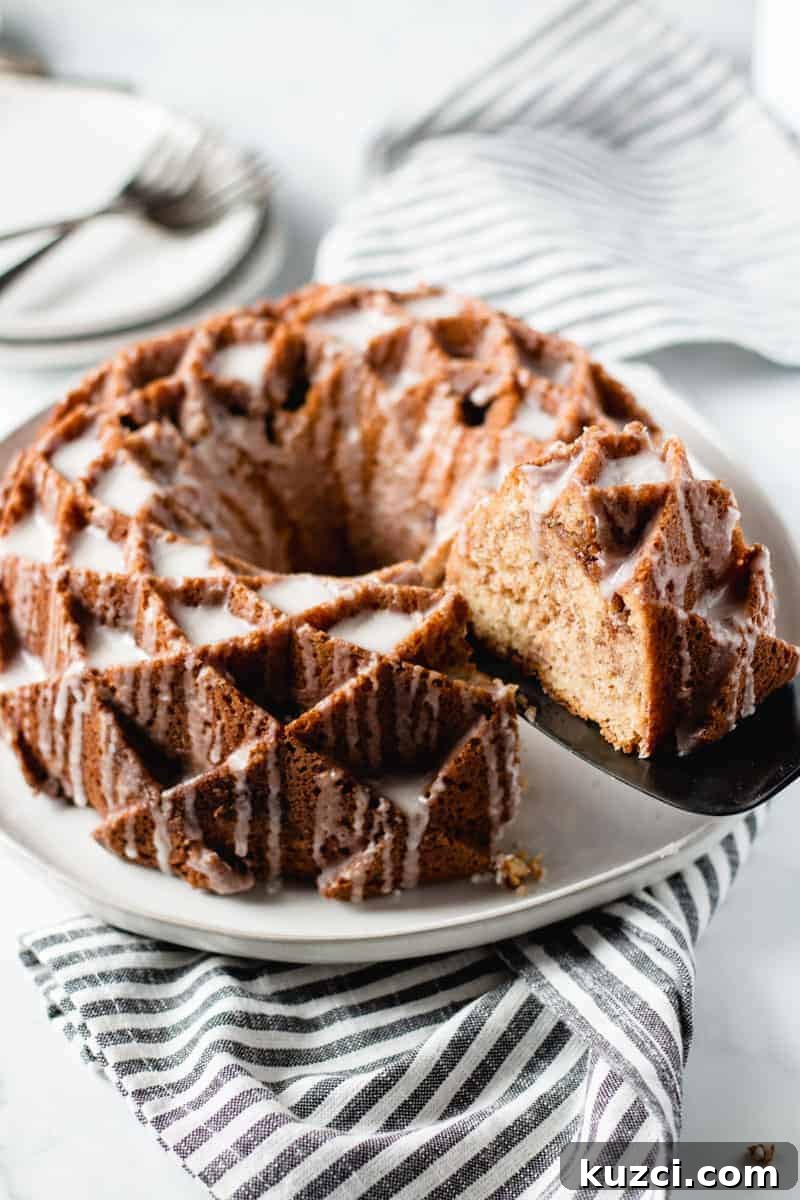
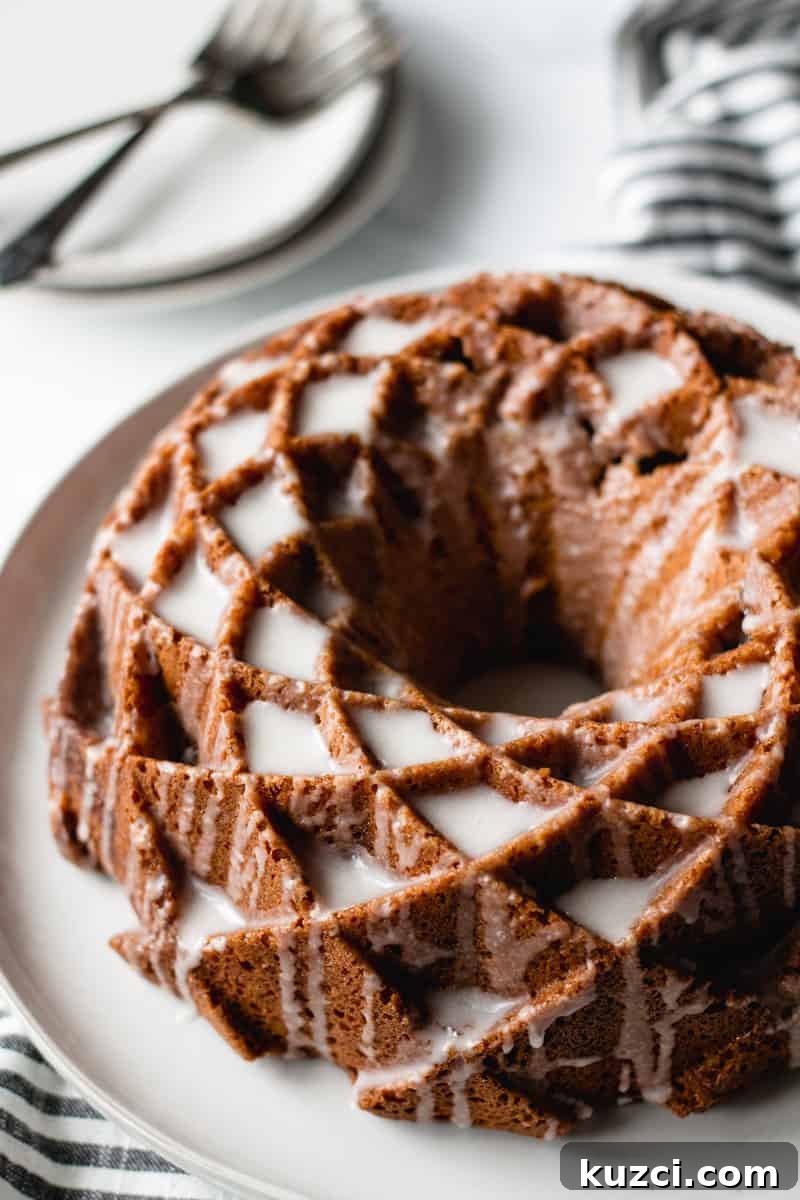
A tender, cinnamon-swirl coffee cake made with Pamela’s Baking & Pancake Mix. This cake brought comfort on a difficult day and proved that delicious gluten-free baking is possible.
Servings: 16
Prep Time: 15 mins
Cook Time: 50 mins
Total Time: 1 hr 5 mins
Ingredients
Filling
- 1 cup walnut or pecan pieces (optional)
- 1/4 cup granulated sugar
- 1/4 cup light brown sugar
- 2 teaspoons ground cinnamon
Batter
- 2/3 cup butter
- 1 cup granulated sugar
- 2 eggs
- 1 teaspoon vanilla
- 2 cups Pamela’s Baking & Pancake Mix
- 1 cup sour cream
Glaze
- 1 cup powdered sugar
- 2–3 tablespoons milk
- 1 teaspoon vanilla
Instructions
- Preheat the oven to 350°F (175°C). Grease a 10-cup Bundt pan.
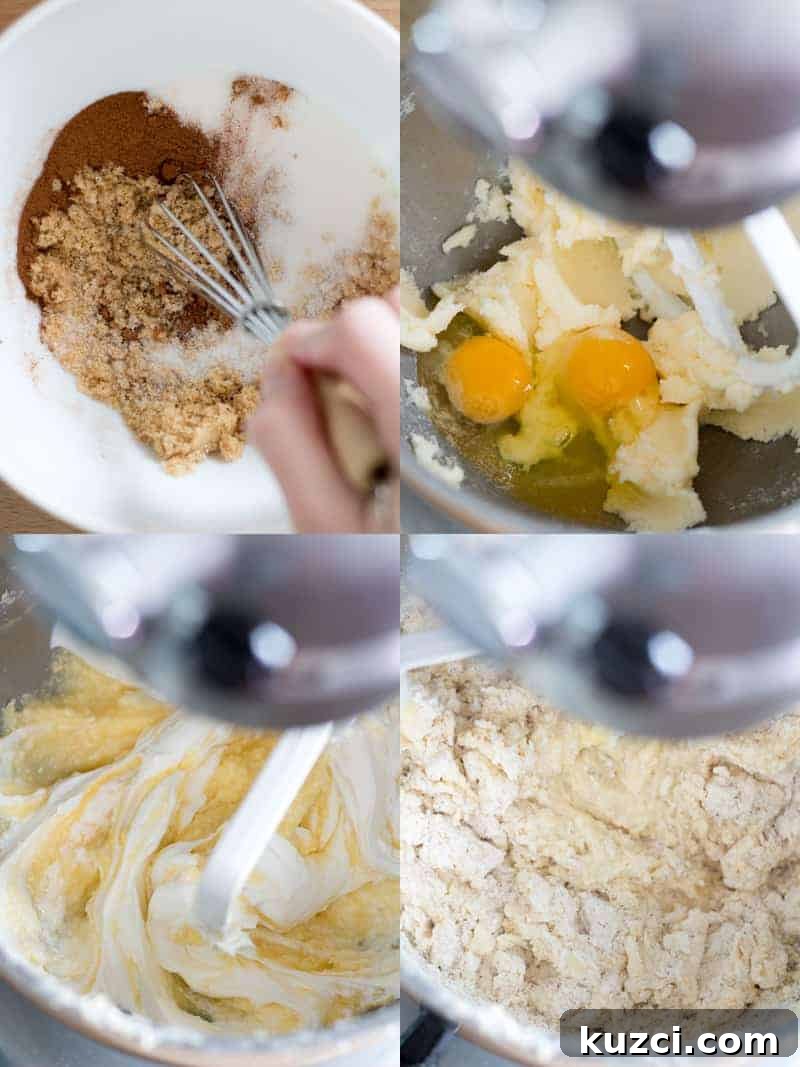
- Combine the filling ingredients in a bowl and set aside.
- Cream the butter and sugar together until light. Add the eggs one at a time, then mix in the vanilla.
- Stir in the sour cream, then fold in the baking mix until the batter is smooth.
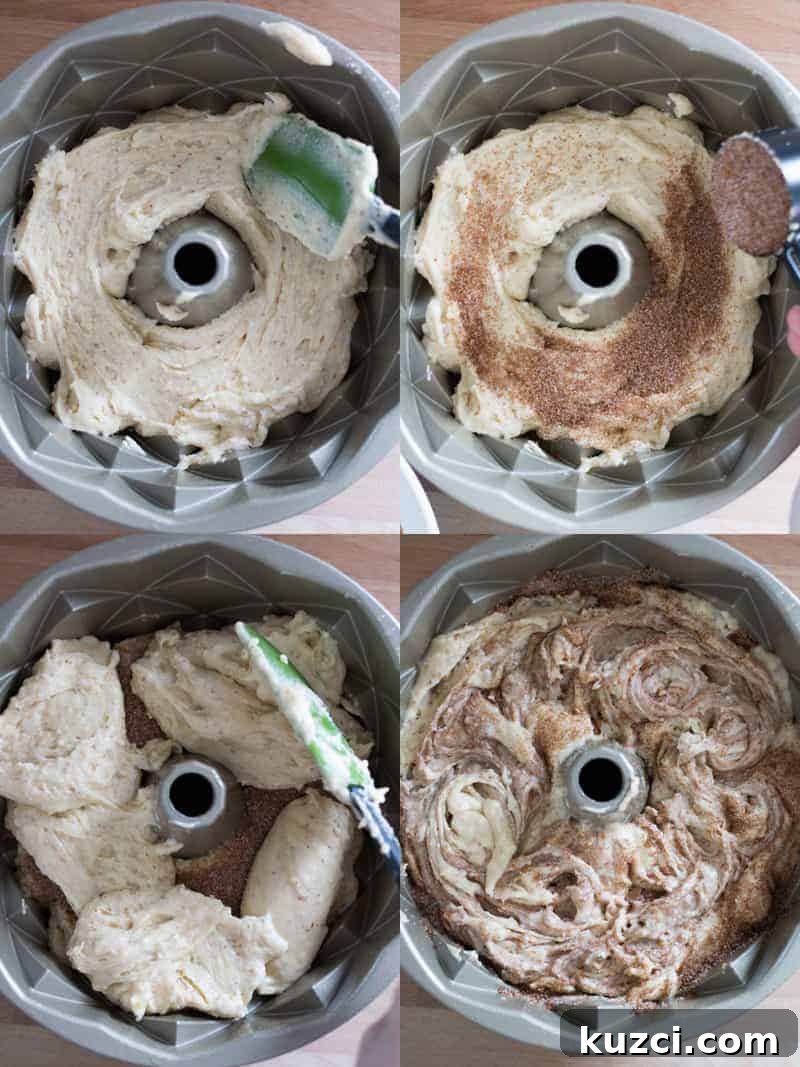
- Spoon half of the batter into the prepared pan, then sprinkle half of the filling over it. Repeat with the remaining batter and filling. Use a butter knife to gently swirl the filling through the batter in the pan.
- Bake for 45 to 50 minutes, or until a toothpick inserted in the center comes out clean. Let the cake cool for 10 minutes before removing from the pan.
- For the glaze, whisk together the powdered sugar, milk, and vanilla until smooth. Drizzle the glaze over the cooled cake.
Estimated Nutrition
Calories: approximately 380 kcal per serving (estimate).
Note: Nutritional information is provided as an estimate only.
After a year with celiac disease, I feel more empowered. There are challenges ahead — social, emotional, and medical — but there is also healing, knowledge, and a clearer path forward. This cake reminded me that comfort and celebration can still exist in a gluten-free life. If you’re newly diagnosed, be gentle with yourself. Give your body and mind time. Small victories — like a successful bake or a symptom-free day — add up.