I love working with blanched almond flour to make gluten-free crusts. Almond flour is simple to use, naturally grain-free, and brings a pleasant, lightly nutty flavor and tender texture to tarts and pies. It’s also a great option for anyone following a Paleo or gluten-free diet.
This tart crust recipe was refined through several tests until the texture and flavor were just right. It performs beautifully when filled and baked with your favorite pie or tart filling. In my trials I paired it with a pecan pie filling, but it also complements chocolate, custard, and fruit fillings equally well.
Gluten Free Tart Crust
Servings: 1 crust
Prep Time: 15 mins
Total Time: 15 mins
Ingredients
- 2 cups blanched almond flour (not almond meal)
- 1/2 teaspoon sea salt
- 2 tablespoons coconut oil
- 1 large egg
Instructions
- Combine the almond flour and salt in a food processor or mixing bowl. Pulse or stir briefly to combine and to break up any small lumps.
- Add the coconut oil and the egg. Pulse until the mixture comes together into a cohesive dough. If mixing by hand, work quickly to combine until a firm dough forms.
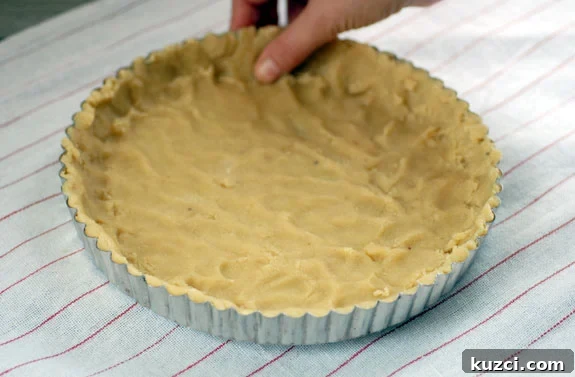
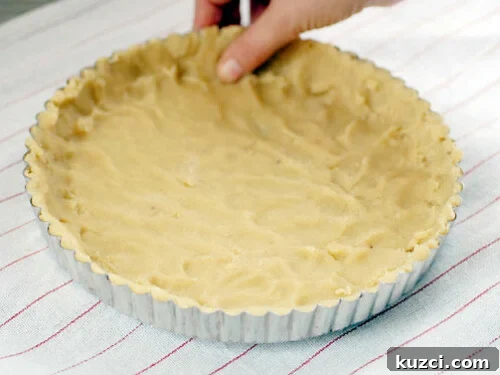
- Press the dough evenly into a 9-inch tart pan, spreading it along the bottom and up the sides to form a uniform shell.
- Fill the crust with the pie or tart filling of your choice.
- Bake according to the directions for the filling you choose. For fillings that require blind baking, you can pre-bake the shell at 350°F (175°C) for about 8–10 minutes until lightly set and golden; watch closely to avoid overbrowning.
Equipment
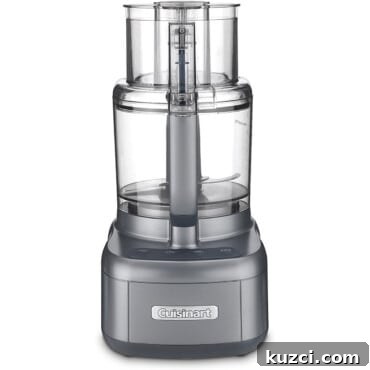
Food processor (optional — a bowl and spoon or pastry cutter will also work)
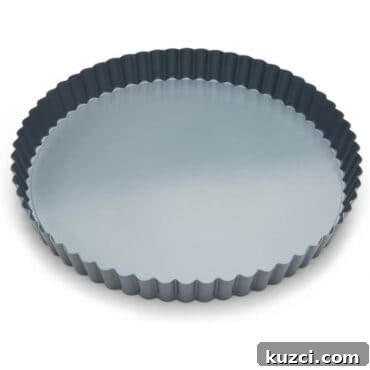
9-inch tart pan
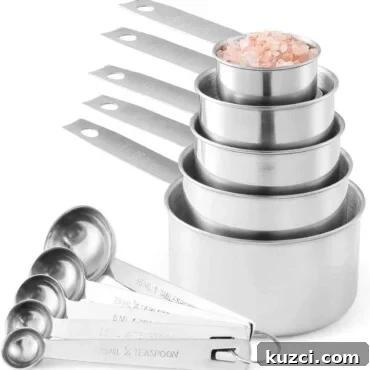
Measuring cups and spoons
Notes and Tips
This crust is very adaptable. Because almond flour contains natural oils, it tends to hold together well with a small amount of binder such as an egg. If you are looking to make this dairy-free, use solid coconut oil (not melted) or a firm nut oil substitute. For egg-free versions, results are less predictable; some bakers try flax or chia egg substitutes, but texture and structural integrity may differ. If you try an egg replacement that works well, please share your experience so others can benefit.
When pressing the dough into the pan, aim for an even thickness so the crust bakes uniformly. If you need a firmer crust for a wetter filling, pre-bake (blind bake) the shell briefly before adding the filling. For richer flavor, you can add 1 to 2 teaspoons of coconut sugar or a touch of vanilla to the dough for sweet tarts.
Storage
Unbaked dough can be refrigerated for up to 24 hours, wrapped tightly. A baked tart crust will keep in an airtight container at room temperature for a day or two, or in the refrigerator for up to 4 days. For longer storage, freeze a fully cooled baked crust for up to one month; thaw before filling.
Filling Ideas
This almond flour crust pairs nicely with a range of fillings. Try classic pecan pie filling, chocolate cream or mousse-style fillings, fruit curds, or custards. It also works with no-bake fillings as long as the finished tart is chilled to set.
What will you fill your tart with? If you experiment with different fillings or egg substitutes, consider sharing your results so others can learn from your experience.
Recipe tested and refined to yield a tender, sturdy gluten-free tart shell ideal for holiday menus and everyday desserts.