Cretan Dakos Salad
By Lee Jackson ↣ Published on: June 16, 2026
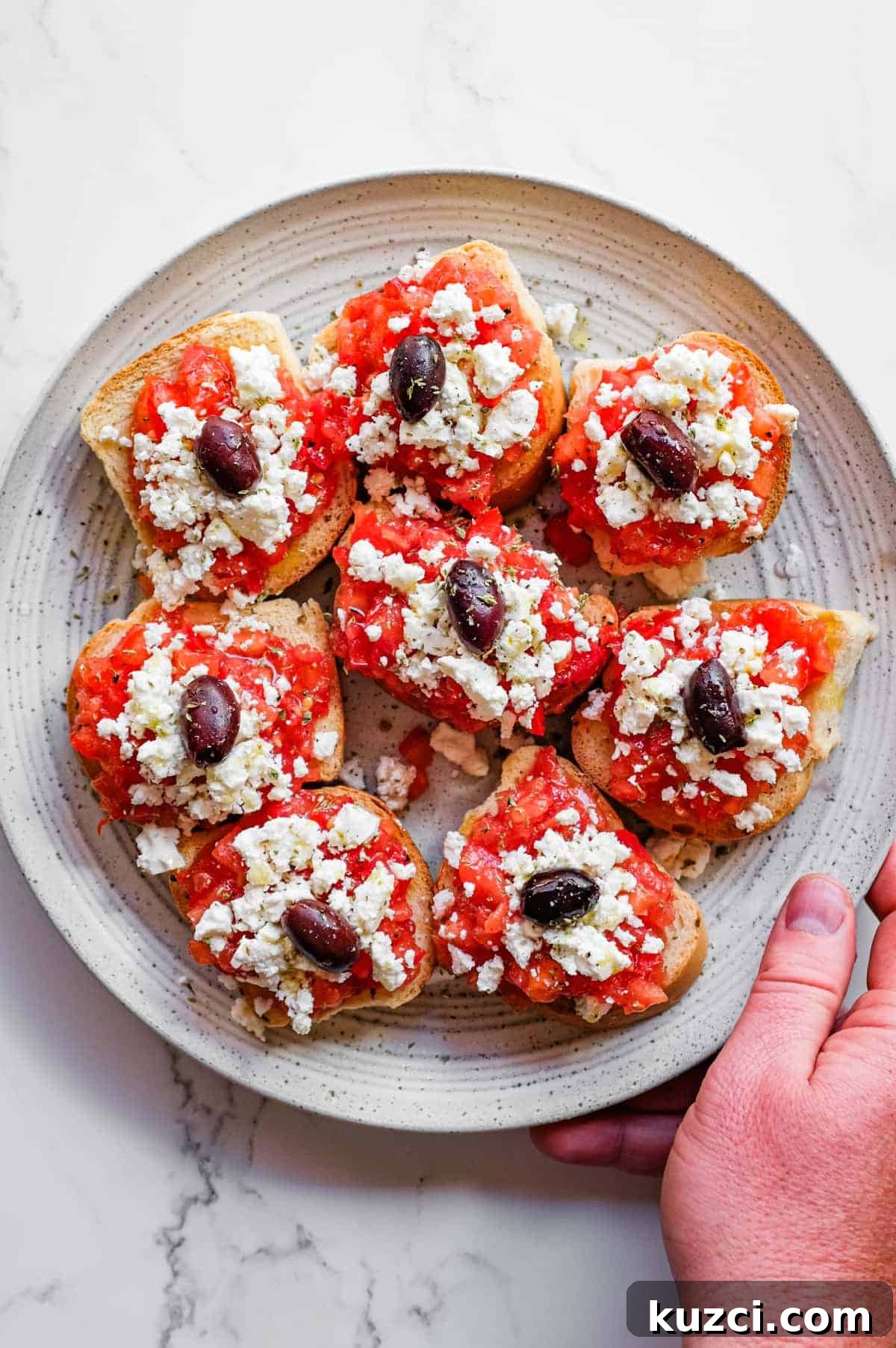
Nothing is simpler—and more satisfying—than this classic Cretan favourite, dakos. Crisp barley rusks are layered with ripe tomato, salty cheese and a splash of extra virgin olive oil, then finished with oregano and olives. It’s a quick, rustic mezze that delivers bright, Mediterranean flavours with almost no fuss.
Mezze-style plates like dakos are my go-to when guests drop by or when I want a light, flavourful meal. The barley rusks—known locally as paximadia—retain a pleasant crunch as they soak up tomato juices and olive oil. Fresh tomatoes, crumbled feta (or a traditional Cretan cheese if you can find it), a few kalamata olives and a sprinkle of dried oregano make for an effortless dish that always disappears quickly.
This is a convenient recipe to pull together from pantry staples and seasonal tomatoes. It works brilliantly as an appetizer, a shareable plate alongside drinks, or a simple summer lunch. The contrasts—crunchy rusks, juicy tomato, creamy cheese and briny olives—are what make dakos so irresistible.
What’s Ahead?
What is Dakos Salad?
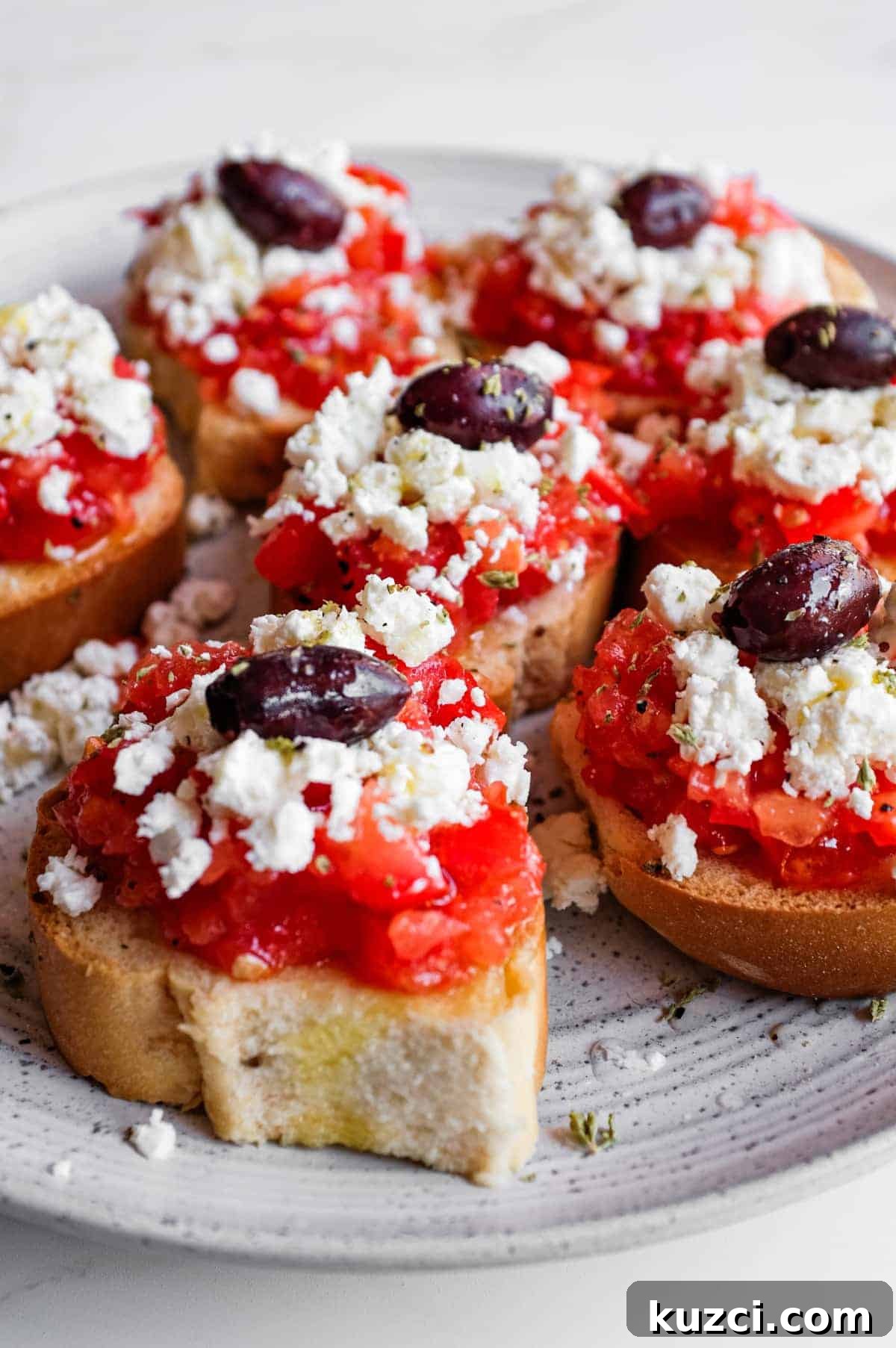
Dakos is a traditional Cretan preparation that resembles bruschetta but uses barley rusks (paximadia) instead of toasted bread. The rusks are topped with grated or finely chopped tomato, a salty soft cheese such as feta or mizithra, and often a few olives or capers. A drizzle of extra virgin olive oil and a sprinkle of dried oregano finish the plate.
Served as a meze, starter or light lunch, dakos is ubiquitous in Crete and throughout Greece. It’s prized for its simplicity, speed and the way it highlights ripe tomatoes during the warmer months.
Why You’ll Love Dakos
- Crisp texture contrasted with juicy tomatoes and creamy cheese
- Only a handful of fresh, pantry-friendly ingredients
- Quick to assemble—perfect for last-minute guests
- Highlights the flavour of ripe summer tomatoes
- Rustic and authentic with minimal preparation
- No cooking required beyond simple prep
- Versatile as an appetizer, light lunch or sharing plate
Stuff You’ll Need
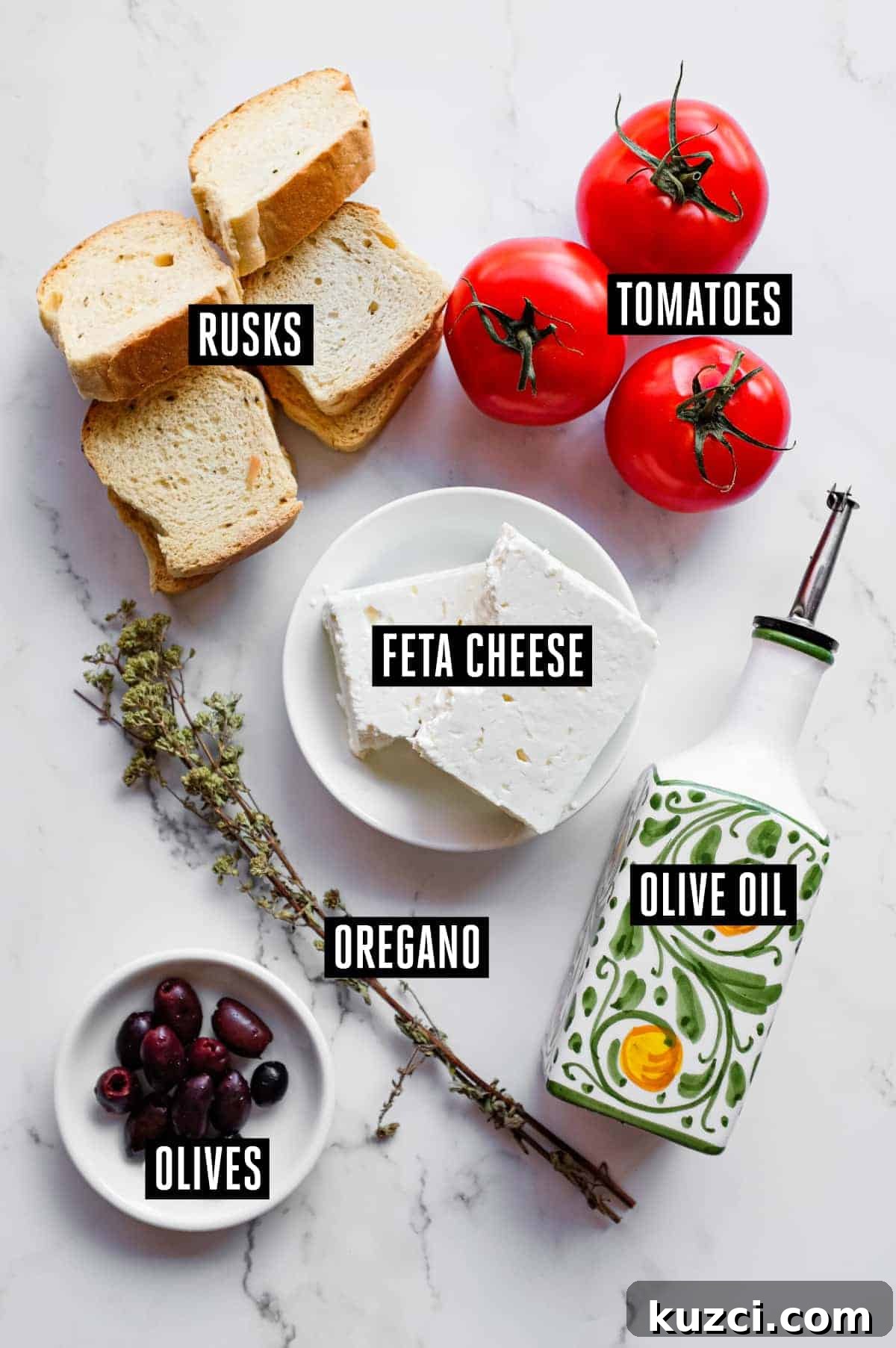
This dish uses simple ingredients you likely already have on hand. Here’s what to gather:
- Barley rusks (paximadia) — firm, rustic rusks that soak up tomato juices while staying crisp.
- Tomatoes — ripe and juicy; grate or finely chop for the best texture.
- Feta (or mizithra) — crumbled; mizithra gives a more traditional Cretan touch, but feta is an excellent substitute.
- Olives or capers — kalamata olives are a classic choice for bright, briny contrast.
- Dried oregano — the traditional herb used, though fresh oregano can work if you prefer.
- Extra virgin olive oil — quality matters here; a good Greek olive oil is ideal.
- Salt & pepper — to season the tomato and finish the plate.
Step by Step
Making dakos is straightforward. Follow these few simple steps for the best results.
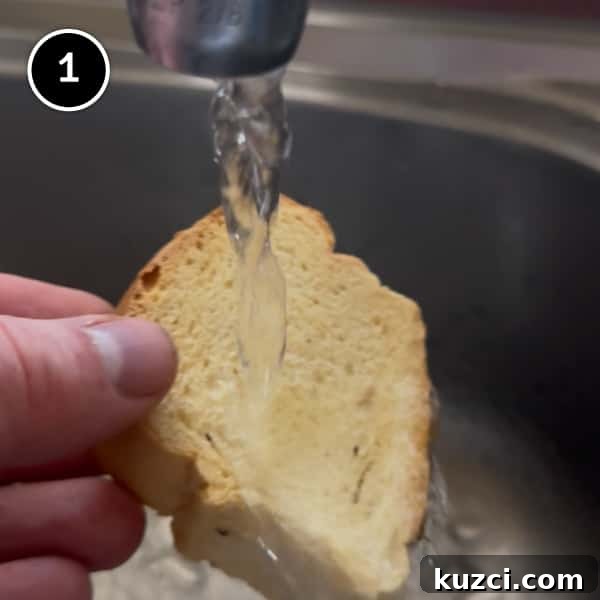
- Step 1 — Soften the rusks slightly: Quickly run each rusk under cold water for a second or two, or sprinkle them lightly. The aim is to soften the surface while keeping the center pleasantly firm and crunchy.
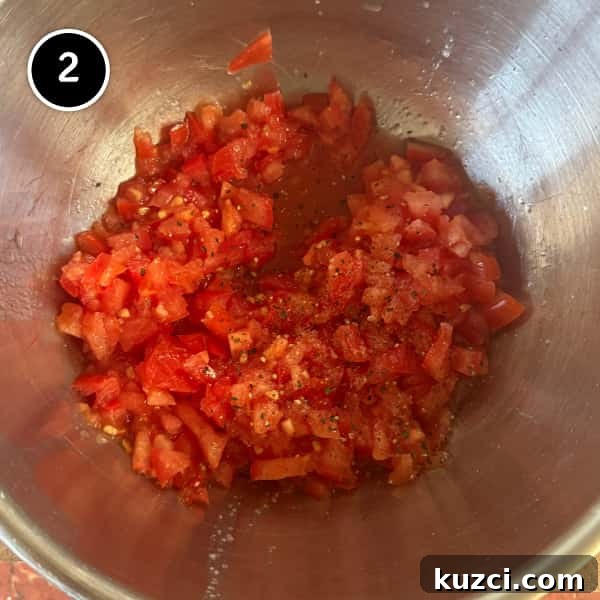
- Step 2 — Prepare the tomatoes: Grate or finely chop the tomatoes. If they are very ripe and soft, chop finely; if they are firmer, grating can help release the juices. Season with salt, pepper and a little olive oil.
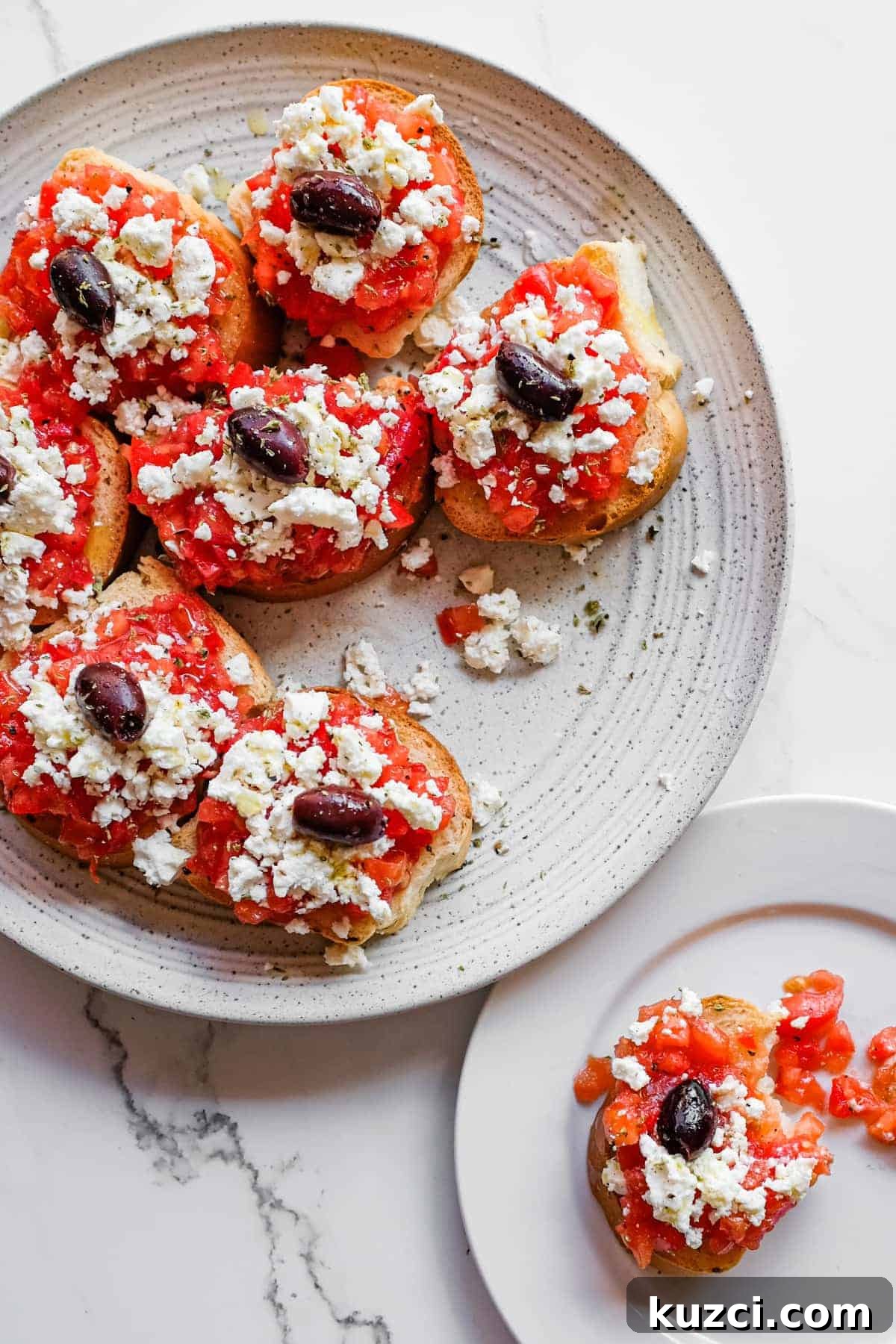
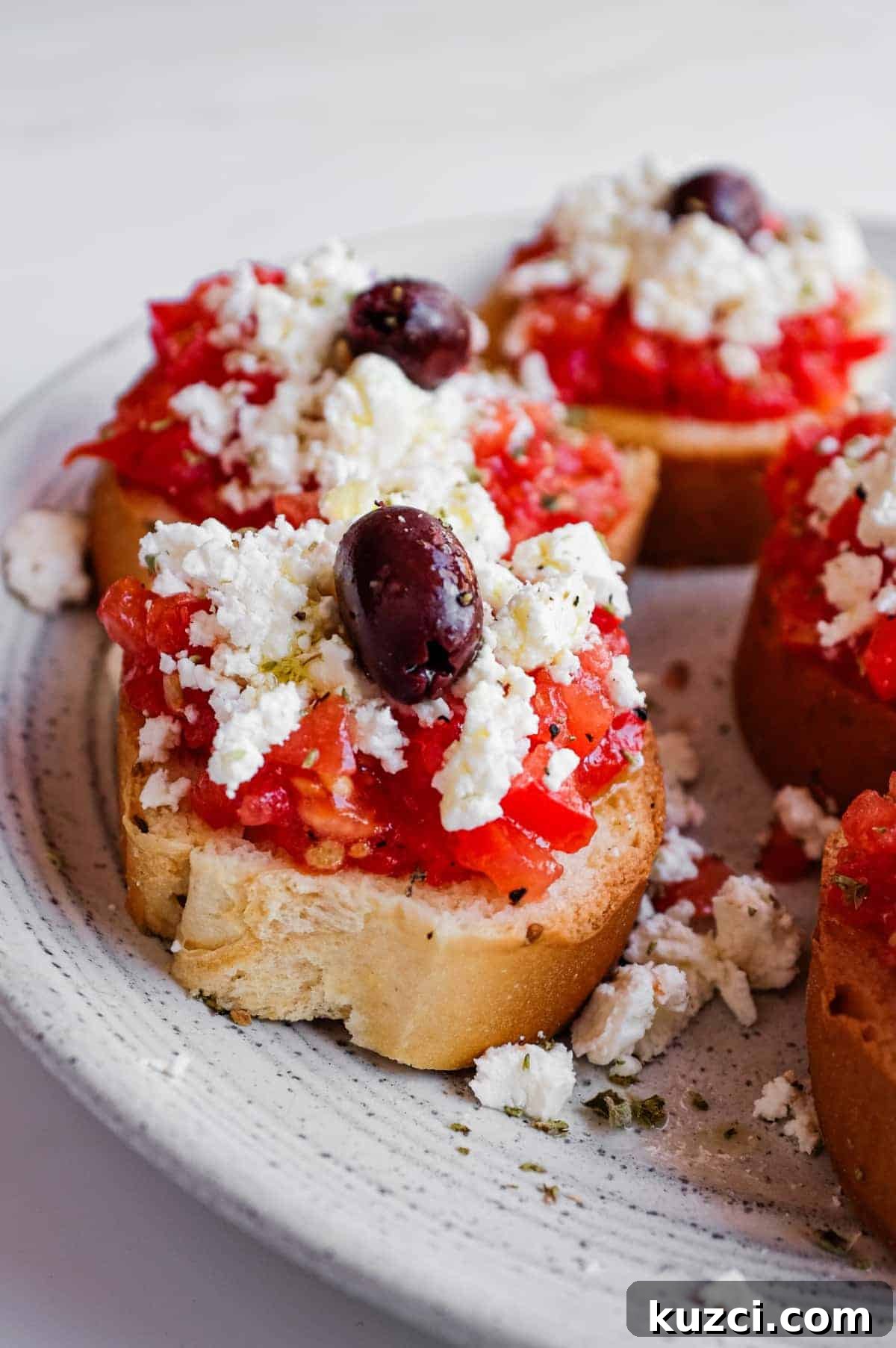
To assemble: place a rusk on a platter, add a generous spoonful of the tomato mixture, top with crumbled feta, place an olive or two (or some capers) on top, dust with dried oregano and finish with a drizzle of extra virgin olive oil. Let the plate rest for 2–3 minutes so the juices soak into the rusks, then serve.
Pro Tips
- Choose the ripest tomatoes you can find—ripeness makes a big difference.
- Don’t soak the rusks; a brief splash or sprinkle is enough to soften the surface without turning them soggy.
- Use high-quality extra virgin olive oil for the best flavour.
- Give the assembled dakos a minute or two before serving so the flavours meld.
- If available, use mizithra for a more authentic Cretan taste; feta is a great and convenient alternative.
- Add olives or capers for an extra briny contrast.
Storage Suggestions
Dakos is best assembled and eaten immediately. The rusks will soften over time, losing their characteristic crunch, so it’s not a recipe well-suited to long storage. If you must prepare ahead, keep components separate and assemble just before serving.

Ready to get Started?
Dakos is a wonderful, unfussy taste of Crete—perfect for sharing. Serve on a large platter with drinks or as part of a Mediterranean mezze spread. With just a few good ingredients and a few minutes of prep, you’ll have a dish that’s both authentic and crowd-pleasing.
More Mediterranean recipes
If you enjoyed this recipe, consider exploring other Greek and Mediterranean dishes for easy, flavourful meals.
- Youvetsi Chicken (Greek Chicken & Orzo Bake)
- Gigantes Plaki (Greek Beans in Tomato Sauce)
- Maroulosalata (Greek Lettuce Salad)
- Cheese Börek with Spinach
Any Questions? (FAQ)
Have a question? Leave a comment below and I’ll try to help.
What is dakos?
Dakos is a Cretan dish of barley rusks topped with grated tomato, cheese, olive oil and oregano.
What are the rusks used in dakos?
Traditionally they are Cretan barley rusks called paximadia, which soften slightly while remaining partly crisp.
Can I make dakos with feta?
Yes. Mizithra is traditional, but feta is a common and tasty substitute.
Do I need to soak the rusks first?
Only very briefly. A quick splash of water softens the surface without making them soggy.
Can dakos be made ahead of time?
It’s best assembled just before serving so the rusks keep their texture.
This recipe uses affiliations and may receive a commission based on your activity. Learn more.
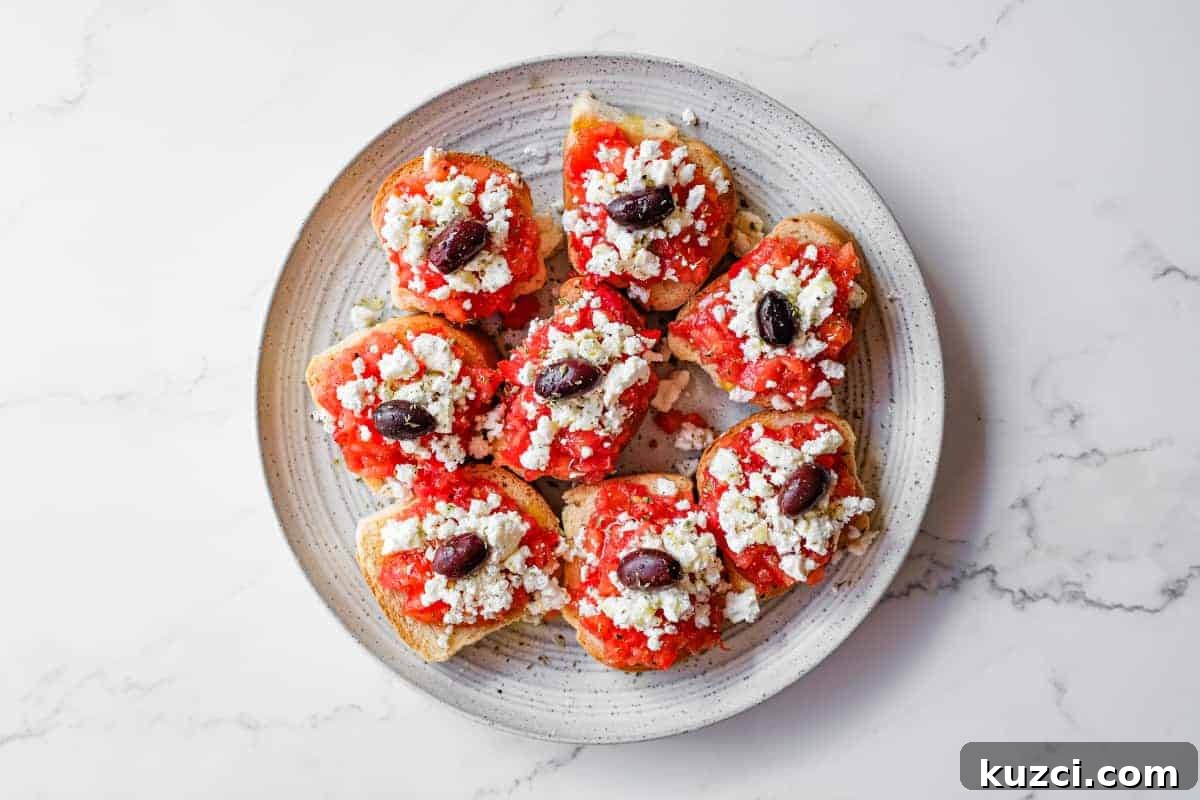
Cretan Dakos Salad
Recipe by Lee
Course: Appetiser, Lunch, Mezze
Cuisine: Cretan, Greek
Diet: Vegetarian
Prep Time: 10 minutes | Total Time: 10 minutes
Servings: 4 | Calories (per serving): 320 kcal
Ingredients
- 8 small barley rusks (paximadia)
- 3 tomatoes, grated or finely chopped
- 200 g feta, crumbled
- 3 tbsp extra virgin olive oil
- 1 tsp dried oregano
- Salt & pepper, to taste
- 8 Kalamata olives (or capers), optional
Instructions
- Grate or finely chop the tomatoes and season with salt and pepper. Stir in about 2 tbsp of olive oil.
- Briefly run each rusk under cold water for a second, or sprinkle lightly with water—do not soak. They should remain firm in the centre.
- Arrange the rusks on a platter and spoon the tomato mixture over each one.
- Top each with a spoonful of crumbled feta and place an olive or some capers on top.
- Sprinkle with dried oregano and finish with a final drizzle of extra virgin olive oil.
- Let the dakos rest 2–3 minutes so the juices soak slightly, then serve.
Notes & Tips
- Use the ripest tomatoes you can find for the best flavour.
- A light splash of water softens the rusk surface without making it soggy.
- High-quality extra virgin olive oil elevates the dish.
- Mizithra offers a more traditional Cretan flavour, but feta is a convenient and tasty alternative.
- Assemble just before serving for the best texture.
Nutrition (per serving)
Calories: 320 kcal | Carbohydrates: 11 g | Protein: 10 g | Fat: 27 g | Saturated Fat: 10 g | Sodium: 805 mg