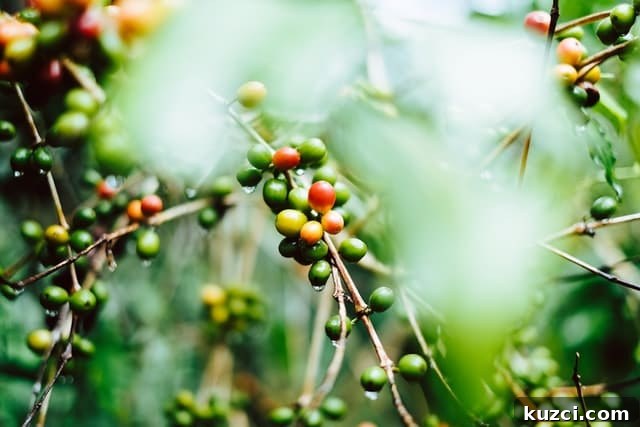
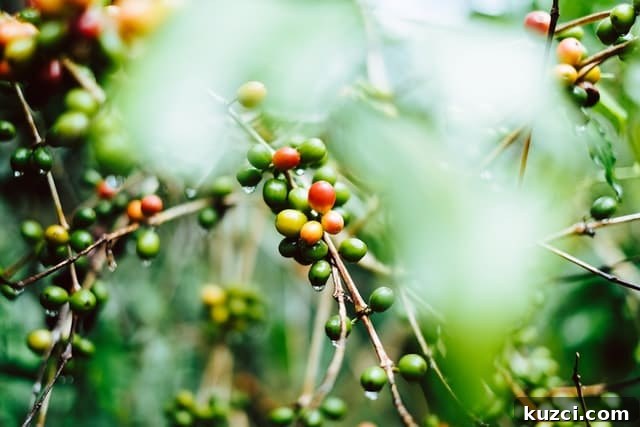
There is nothing quite like a great cup of coffee. From the ritual of making it to the first warm sip and the fragrant steam rising from the mug, coffee can sharpen focus, provide comfort, and set the tone for the day. While any good cup is welcome, some coffees stand out for their unique growing conditions, processing, and flavor profiles.
In this article we explore some of the world’s most celebrated coffee origins and what makes their beans exceptional. Central American regions, for example, often yield low-acid coffees compared to other parts of the world, resulting in smooth, balanced cups that many drinkers prefer.
Jamaica
Jamaica’s Blue Mountain Coffee is legendary for its extraordinary smoothness and minimal bitterness. Properly grown Blue Mountain beans frequently display a delicate sweetness and nutty background, with subtle hints of cocoa and cream. The region’s high elevations — roughly between 910 and 1,700 meters — produce cooler temperatures, cloud cover, and humidity levels that slow bean development and contribute to refined flavors and gentle acidity. When brewed carefully, Blue Mountain yields an elegant, clean cup prized by coffee connoisseurs.
Honduras
Honduras has emerged as a notable Central American coffee producer, with varied microclimates across its mountain ranges. Producers in Honduras use a range of processing techniques, from traditional wet processing to experimental honey processing, which leaves varying degrees of mucilage on the bean and can add body and sweetness. Regions such as Copán are known for coffees that show caramel-like sweetness, bright citrus notes, and a velvety mouthfeel. The diversity of farms and processing approaches makes Honduras a rich source of interesting single-origin cups.
Costa Rica
Costa Rica consistently ranks among top coffee-producing countries, with several well-regarded growing areas. The highland region of Tarrazú is famous for producing beans with clarity and lively acidity, while other zones such as Naranjo have earned recognition for beans with pronounced and distinctive flavors. Costa Rican coffees are often clean, with pronounced fruit and chocolate notes and good structure, making them popular among specialty roasters and home brewers alike.
Guatemala
Guatemala’s landscape of volcanoes, mountains, and rainforests creates a patchwork of microclimates ideal for cultivating varied coffee profiles. Volcanic soils contribute mineral complexity, and differences in altitude, shade, and rainfall produce distinct regional characteristics. You can find Guatemalan coffees ranging from bright and floral to rich and chocolatey, depending on whether the beans come from highland slopes, cooler mountain terraces, or lower-elevation valleys. This regional diversity makes Guatemala a fascinating place to explore single-origin coffees.
Colombia
Colombia is internationally recognized for its high-quality Arabica coffee. The country benefits from multiple harvest seasons in different growing zones, allowing for consistent production throughout much of the year. Many Colombian producers manage the harvest, processing, and drying on-site, which helps ensure careful handling and attention to quality. Colombian beans often deliver balanced cups with bright acidity, clean sweetness, and notes of caramel, chocolate, or stone fruit, making them versatile for a variety of brewing methods.
These regions represent just a sample of the world’s outstanding coffee origins. Each growing area brings its own combination of soil, altitude, climate, and processing traditions, all of which shape the final flavor in the cup. If you enjoy discovering new coffees, try tasting beans from different origins side by side to notice contrasts in acidity, body, sweetness, and aroma. Exploring single-origin coffees is one of the best ways to appreciate how terroir and technique influence taste, and it’s an excellent way to refine your own preferences as a coffee drinker.