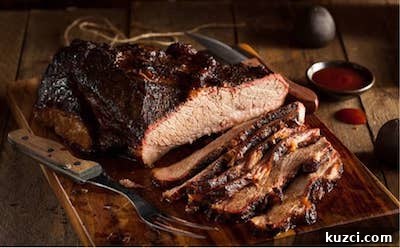
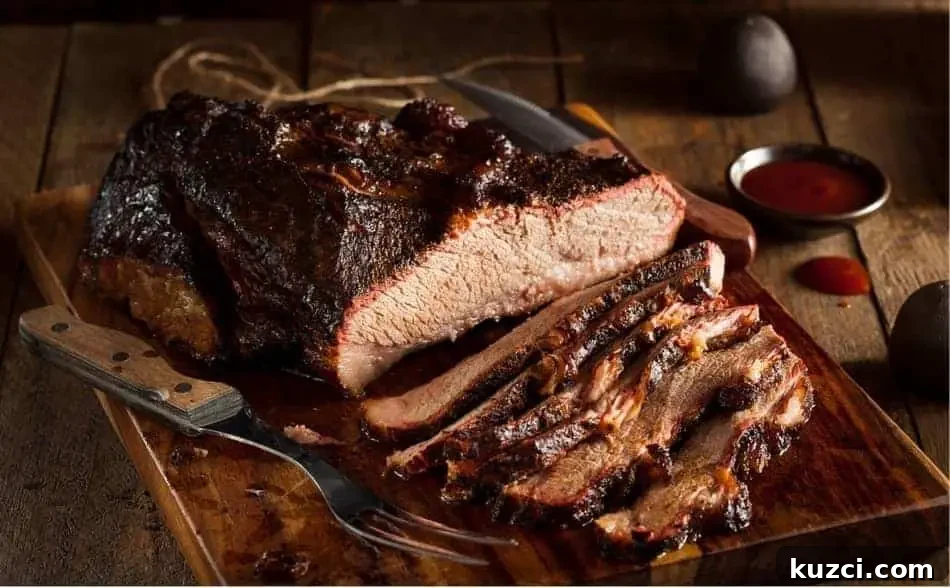
Brisket is one of the most rewarding cuts of beef to smoke, but it is also one of the least forgiving. Because brisket contains a lot of connective tissue, it needs steady heat and plenty of time for the collagen to break down. When cooked properly, that tough structure turns into tender, juicy meat with rich barbecue flavor. When cooked too hot without the right technique, brisket can lose moisture quickly and become dry, chewy, and disappointing.
The best temperature for smoking brisket is usually between 225°F and 250°F. This low-and-slow range is the classic choice for Texas-style brisket, barbecue competitions, and beginners who are still learning fire control. Once you understand the basics of smoking brisket, you can experiment with higher temperatures between 275°F and 300°F to shorten the cooking time while still producing a flavorful result.
| Temperature Range | Recommended For | Notes |
|---|---|---|
| 225°F-250°F | Beginners and traditional Texas-style brisket | The safest low-and-slow range for tender, juicy brisket with good bark development. |
| 275°F-300°F | Experienced barbecue cooks and faster cooking | Cooks the brisket faster, but moisture control, fat protection, and careful monitoring become more important. |
| 225°F first, then 275°F after wrapping | Experienced cooks who want balance | Smoke low until the bark forms, then wrap and raise the heat to help push through the stall. |
The Perfect Temperature for Smoking Brisket: What the Experts Say
Many respected barbecue pitmasters, including Aaron Franklin, Meathead Goldwyn, Harry Soo, and Malcolm Reed, commonly work within or around the 225°F to 250°F range when smoking brisket. This temperature range gives the meat enough time to absorb smoke, develop a dark bark, and slowly render fat and connective tissue.
Smoking brisket at a steady temperature is just as important as choosing the right temperature. Large swings in heat can affect texture, bark, and moisture. A reliable meat thermometer helps you monitor both the smoker temperature and the internal temperature of the brisket, reducing guesswork and helping you make better decisions during the cook.
Smoking Brisket at 225°F – The Safest Temp
If you are smoking your first brisket, 225°F is a smart place to start. It gives you more time to learn how your smoker behaves and makes it easier to manage the cook. Brisket involves several important skills, including temperature control, seasoning, bark development, spritzing or mopping, wrapping, and resting.
A brisket cooked at 225°F will take many hours, often most of the day depending on the size of the meat. However, the slower pace gives the connective tissue time to soften and the fat time to render. For beginners, this method offers the best chance of producing a tender brisket without rushing the process.
Raising the Temp To 275°F – 300°F
If you do not want to wait as long, smoking brisket at 275°F to 300°F can reduce the cooking time. This method can still produce excellent results, but it requires more attention. At higher temperatures, the outside of the brisket cooks faster, so it is important to protect the meat from drying out.
When cooking in this higher range, consider leaving a little more fat on the brisket during trimming. Place the brisket fat cap down if the heat source is below the meat, because the fat can help shield the leaner portions from direct heat. Regular spritzing or mopping can also help keep the surface from becoming too dry.
Different Weights, Cooking Temps, and Doneness
Cooking times for brisket are always estimates. The actual time depends on the size and shape of the brisket, the smoker, the weather, airflow, humidity, and how often the lid is opened. Two briskets of the same weight can cook differently, so internal temperature and tenderness are more reliable than time alone.
| Brisket Weight (lbs) |
Cooking Temp (°F) |
Smoking Time (hrs) |
Internal Temperature (°F) |
|---|---|---|---|
| 5 | 225 | 7-10 | 195-205 |
| 10 | 225 | 14-20 | 195-205 |
| 15 | 225 | 21-30 | 195-205 |
| 5 | 250 | 5-7 | 195-205 |
| 10 | 250 | 10-14 | 195-205 |
| 15 | 250 | 15-21 | 195-205 |
| 5 | 275 | 4-6 | 195-205 |
| 10 | 275 | 8-12 | 195-205 |
| 15 | 275 | 12-18 | 195-205 |
| 5 | 300 | 3-5 | 195-205 |
| 10 | 300 | 6-10 | 195-205 |
| 15 | 300 | 9-15 | 195-205 |
Should You Raise The Temp After Wrapping?
One effective method is to start the brisket at 225°F and raise the smoker temperature to about 275°F after wrapping. During the first stage, the brisket absorbs smoke and develops a firm bark. Once the bark is set and the internal temperature is around 150°F to 160°F, the brisket can be wrapped in foil or butcher paper.
Raising the temperature after wrapping can help the brisket move through the stall, the point where moisture evaporating from the surface slows the cooking process. Since the brisket is wrapped, it is less exposed to drying heat, making the higher temperature more manageable.
What Temperature Does Aaron Franklin Smoke Brisket?
Aaron Franklin starts brisket around 255°F for the first few hours, then gradually raises the temperature into the 260°F to 265°F range. During the stall, he may hold the smoker around 280°F to 285°F, then lower it to about 275°F after wrapping.
As the brisket climbs past 180°F and moves toward the 195°F to 203°F range, the collagen continues to break down. At this stage, tenderness matters more than the exact number on the thermometer.
What Temperature Does Malcolm Reed Smoke Brisket?
Malcolm Reed smokes brisket at different temperatures depending on the cooker he is using. On a pellet grill, he may run the smoker as low as 195°F until wrapping, then increase the heat to around 250°F until the brisket is finished. On a charcoal smoker, he often cooks around 250°F, while an offset wood smoker may run closer to 275°F.
This shows an important lesson: the best brisket smoking temperature can depend on your smoker. Pellet grills, charcoal smokers, and offsets all manage heat and airflow differently.
What Temperature Does Harry Soo Smoke Brisket?
Harry Soo often smokes brisket around 250°F, but he is known for experimenting with different methods. In one Texas-style method, he begins at 200°F for the first six hours before raising the temperature to 250°F. In a hot-and-fast backyard method, he cooks brisket at much higher temperatures for a shorter total cooking time.
Hot and Fast Brisket at 350°F – 400°F
Hot-and-fast brisket can be useful when time is limited, but it is not the best starting point for beginners. Cooking brisket at 350°F or higher requires close attention because the internal temperature rises quickly and the surface can dry out. Extra fat protection, regular spritzing, and careful wrapping are especially important.
A hot-and-fast brisket may not have the same deep smoke profile as a traditional low-and-slow brisket, but it can still be tender and enjoyable when handled correctly.
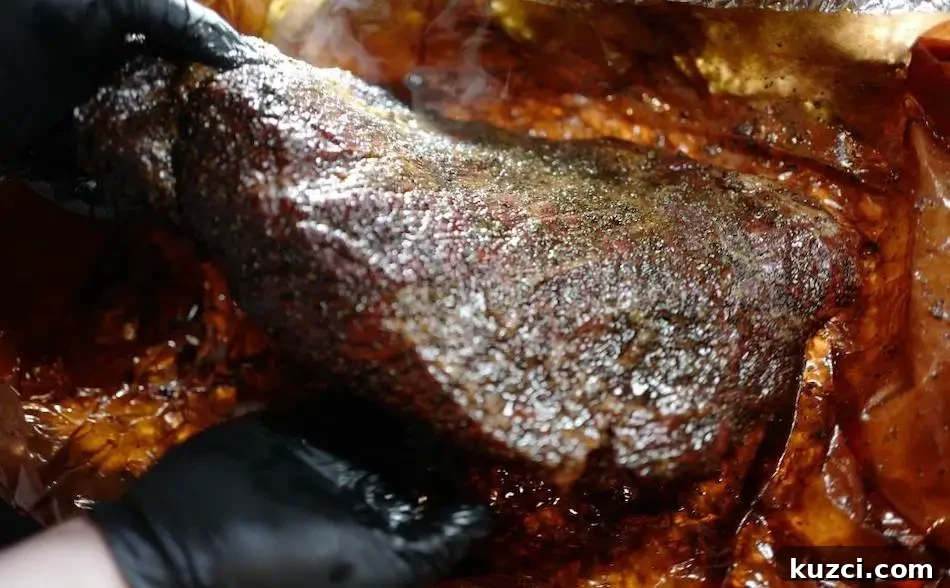
Harry Soo’s Quick Backyard Brisket at 400°F
Harry Soo has demonstrated a quick backyard brisket method that begins at 400°F for about three hours, followed by a wrapped finishing stage at 275°F. For this approach, the brisket should be sprayed every 30 minutes and the cooker should be held between 350°F and 400°F.
After about three hours, the bark should be firm. The brisket is then wrapped and finished until tender. A useful tenderness test is to probe the brisket and feel for very little resistance, similar to pushing a skewer into soft peanut butter.
What Temperature Is Brisket Done?
Brisket is often done when the internal temperature reaches around 203°F, but tenderness is the real test. Some briskets may become tender slightly below that number, while others may need a little more time. The thermometer probe should slide into the thickest part of the flat with little resistance.
Because brisket contains so much connective tissue, it must be cooked well beyond the minimum safe temperature for beef. The goal is not just safety, but texture. A quality leave-in thermometer is one of the most valuable tools for smoking brisket because it helps you track progress without constantly opening the smoker.
Wrap Brisket At What Temperature?
Brisket is usually smoked unwrapped for the first several hours so it can absorb smoke and build bark. Once the bark is dark, firm, and the fat has softened, wrapping can help protect the meat from drying out.
Most briskets are ready to wrap when the internal temperature is between 165°F and 180°F. Foil will hold in more moisture and speed up the cook, while butcher paper allows the brisket to breathe more and can help preserve bark texture. After wrapping, the smoker temperature may drop briefly before stabilizing again.
Learn To Control Temperature On Your Smoker
Before smoking a brisket, it helps to understand how your smoker responds to vent changes, fuel adjustments, and weather. Brisket is an expensive cut, so beginners may want to practice with chicken, pork shoulder, or another more forgiving cut first.
A dry run can also be useful. Run your smoker without meat, monitor the temperature, and learn how small changes affect the cooking chamber. Strong temperature control is one of the biggest keys to consistent barbecue.
Brisket Fat Cap Up Or Down?
Brisket has a fatty top layer called the fat cap. In many smokers, especially when the heat comes from below, placing the brisket fat cap down helps shield the meat from direct heat. The fat acts as a protective barrier for the leaner flat.
It is still important to trim excess fat. Very thick fat will not fully render and can block smoke from reaching the meat. A more even shape also helps the brisket cook more evenly. Since the point is thicker than the flat, position the thicker end toward the hotter part of the smoker when possible.
Wrapping Brisket In Foil Or Butcher Paper
Foil and butcher paper both work, but they produce slightly different results. Foil traps more steam, which can speed up cooking and create a very tender brisket. Butcher paper holds less steam, so it can help maintain a firmer bark while still protecting the meat.
Wrap the brisket tightly so there are no large air pockets. Once wrapped, continue cooking until the brisket reaches the tenderness stage. After cooking, resting the brisket is important because it allows juices to redistribute and helps the texture settle before slicing.
The Best Butcher Paper For Brisket
For brisket, use unwaxed, food-grade butcher paper. The paper should be strong enough to hold moisture without falling apart, while still allowing some steam to escape. Avoid waxed paper because it is not designed for the heat of a smoker.
How To Choose A Good Brisket For Smoking
The first step toward a great smoked brisket is choosing the right piece of meat. A whole packer brisket includes both the point and the flat, giving you better value and more options when slicing. Look for a brisket with a thick, even flat so it cooks more consistently.
Choose a brisket with good marbling, which is the fat running through the meat. Marbling helps improve flavor and moisture during a long cook. Also pay attention to the fat cap. If there is far more than about an inch of fat on top, much of it will need to be trimmed away before smoking.
In Summary
- Brisket is a tough cut that needs low, steady heat and time to become tender.
- The best temperature for smoking brisket is usually between 225°F and 250°F.
- 225°F is a safe and reliable temperature for beginners and traditional Texas-style brisket.
- Temperatures from 275°F to 300°F can cook brisket faster but require better moisture and heat management.
- Wrapping brisket at around 165°F to 180°F can help push it through the stall and prevent drying.
- Brisket is commonly tender around 203°F, but probe tenderness is more important than the exact number.
- Place the fat cap toward the heat source to help protect the meat during the cook.
Standard Barbecue Rub
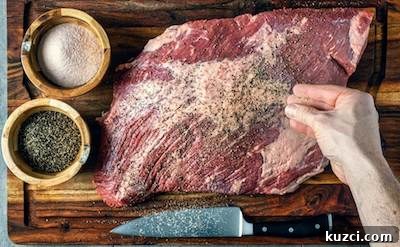
This simple barbecue rub can be used on brisket and other smoked meats. Adjust the seasoning to match your taste and the cut of meat you are cooking.
10 minutes
10 minutes
Ingredients
- ½ cup paprika
- ½ cup salt
- ½ cup sugar
- ½ cup granulated garlic
- ¼ cup granulated onion
- ¼ cup chili powder
- ¼ cup cumin
- 2 tablespoons black pepper
- 2 tablespoons dry mustard
- 1 tablespoon cayenne pepper
Instructions
- Combine all spices in a large mixing bowl.
- Store the rub in airtight shakers or containers.
Meat Thermometers – Your Most Important Tool
A meat thermometer is essential when smoking brisket. It helps you monitor the internal temperature of the meat, track the cooking chamber, and avoid opening the smoker too often. For the best results, use a leave-in thermometer during the cook and an instant-read thermometer when checking for final tenderness.