
If you haven’t tried a Tabata workout yet, you’re in for a time-efficient, calorie-burning, muscle-toning routine that fits into even the busiest schedule. Tabata delivers intense bursts of effort followed by short recovery periods, making it a powerful way to improve both cardiovascular fitness and muscular strength in a compact session.
Below you’ll find an easy-to-follow overview of Tabata, where it came from, the main benefits, and several Tabata-style workouts you can do at home with little or no equipment.
Table of contents
- What Is A Tabata Workout?
- Where Did Tabata Come From?
- The Benefits of Tabata Training
- Tabata Workouts To Try Today
What Is A Tabata Workout?
Tabata is a specific form of high-intensity interval training (HIIT) that uses short, maximal-effort intervals followed by brief rests. The classic Tabata protocol calls for 20 seconds of all-out effort followed by 10 seconds of rest, repeated multiple times. This structure creates a high metabolic demand that challenges both your cardiovascular system and your muscles in a short amount of time.
Because Tabata sessions are short and intense, they’re ideal when you want a highly effective workout without spending hours at the gym. You can apply the 20/10 format to bodyweight moves, cardio drills, plyometrics, or weighted exercises to suit your fitness level and goals.
Where Did Tabata Come From?
Tabata intervals were developed by Dr. Izumi Tabata and colleagues at the National Institute of Fitness and Sports in Tokyo. Their research examined how different exercise intensities affect the body. They found that short, very intense intervals stimulate both aerobic (cardio) and anaerobic (muscle) energy systems, while moderate continuous exercise tends to primarily target aerobic conditioning.
Although Tabata originated from studies with trained athletes, the format is highly adaptable. Beginners can scale intensity and choose easier exercises, while experienced exercisers can push harder or add resistance to increase the challenge. The result is a flexible method that suits a wide range of fitness levels.
The Benefits of Tabata Training

Tabata-style HIIT offers multiple advantages compared with longer, steady-state workouts. It pairs cardiovascular and strength challenges in one, helps preserve or build muscle while promoting fat loss, and increases calorie burn both during and after the workout.
- Targets Aerobic and Anaerobic Systems. Short, intense intervals force your body to adapt across energy systems, improving endurance and strength simultaneously.
- Helps Build and Preserve Muscle. High-intensity reps place demand on muscle tissue, signaling your body to maintain or increase muscle mass rather than losing it during weight loss efforts.
- Boosts Metabolism. Intense interval training increases post-exercise oxygen consumption, helping you burn more calories for hours after your session ends.
- Time Efficient. Tabata workouts compress a lot of training stimulus into a small window, making them ideal when you have limited time but want a meaningful workout.
- Flexible and Scalable. Use bodyweight moves, kettlebells, dumbbells, or even sprints. Adjust the intensity, number of rounds, or exercise selection to match your fitness level.
Tabata Workouts To Try Today
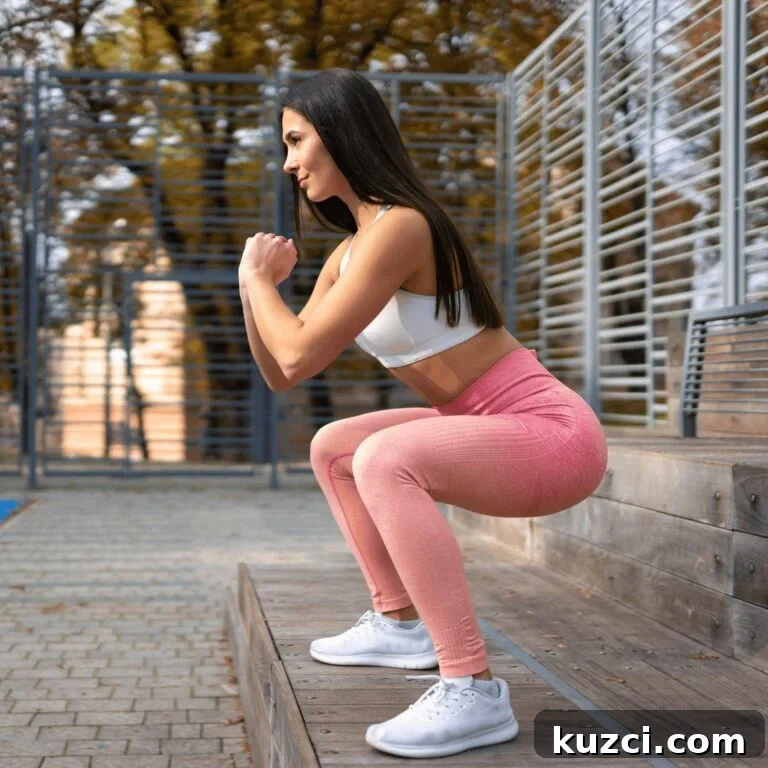
10-Minute Tabata For Beginners Workout
A great place to start: pick four simple bodyweight moves (for example, squats, push-ups on knees, standing mountain climbers, and glute bridges). Perform each move for 20 seconds then rest 10 seconds, alternating exercises for a total of 10 minutes. Scale intensity to match your fitness level and focus on controlled form.
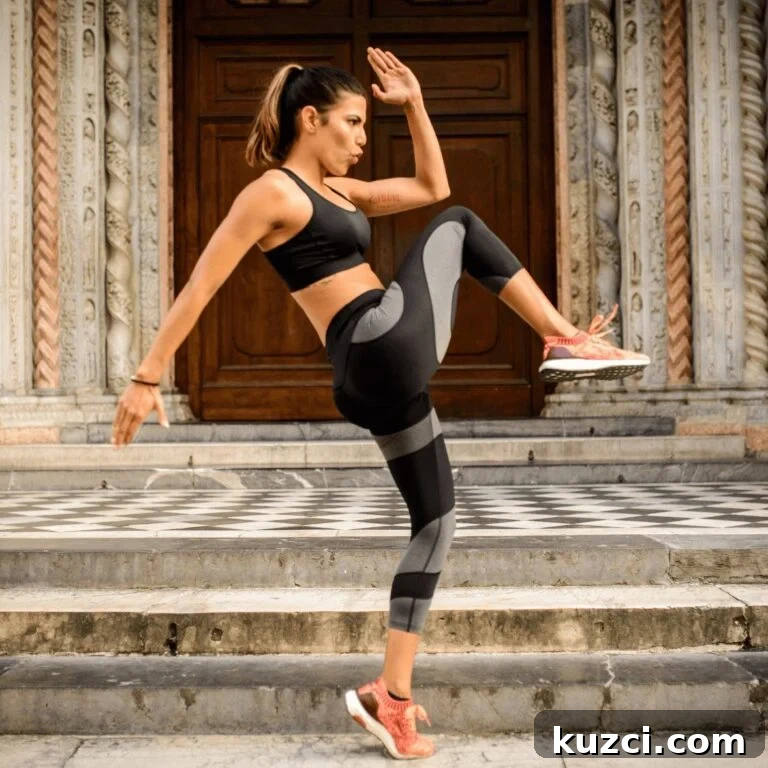
Calorie Sizzler Tabata Workout With Weights
Add light to moderate dumbbells or kettlebell movements to increase strength demands. Pair compound lifts like goblet squats, bent-over rows, and thrusters with short Tabata intervals to challenge your heart and muscles at once. Keep rest strict to preserve interval intensity.
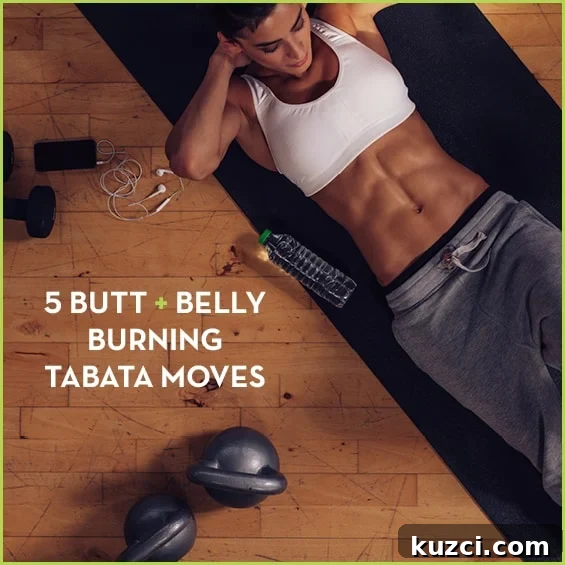
5 Butt and Belly Burning Tabata Moves
Combine fast-paced Tabata intervals with isometric holds to target glutes and core. Examples include alternating jump lunges and isometric lunges, plank holds mixed with bicycle crunches, and single-leg glute bridges. This blend improves muscular endurance and core stability while keeping intensity high.

The Hotel Room Workout | Tabata Exercises You Can Do Anywhere
Travel-friendly Tabata sessions require minimal space and no equipment. Try alternating burpees, bodyweight squats, plank jacks, and alternating reverse lunges in 20/10 cycles. These quick workouts keep your routine consistent, even on the road.
Getting started with Tabata is straightforward: choose a few exercises, set a timer for 20 seconds on and 10 seconds off, and repeat for the number of rounds you can handle. Beginners might start with 4–8 rounds, while more experienced athletes can extend the session or include weighted moves. Always warm up before intense intervals and listen to your body—intensity can be scaled to match fitness level and goals.